Upbit to Terminate SOPH Trading Support on November 16
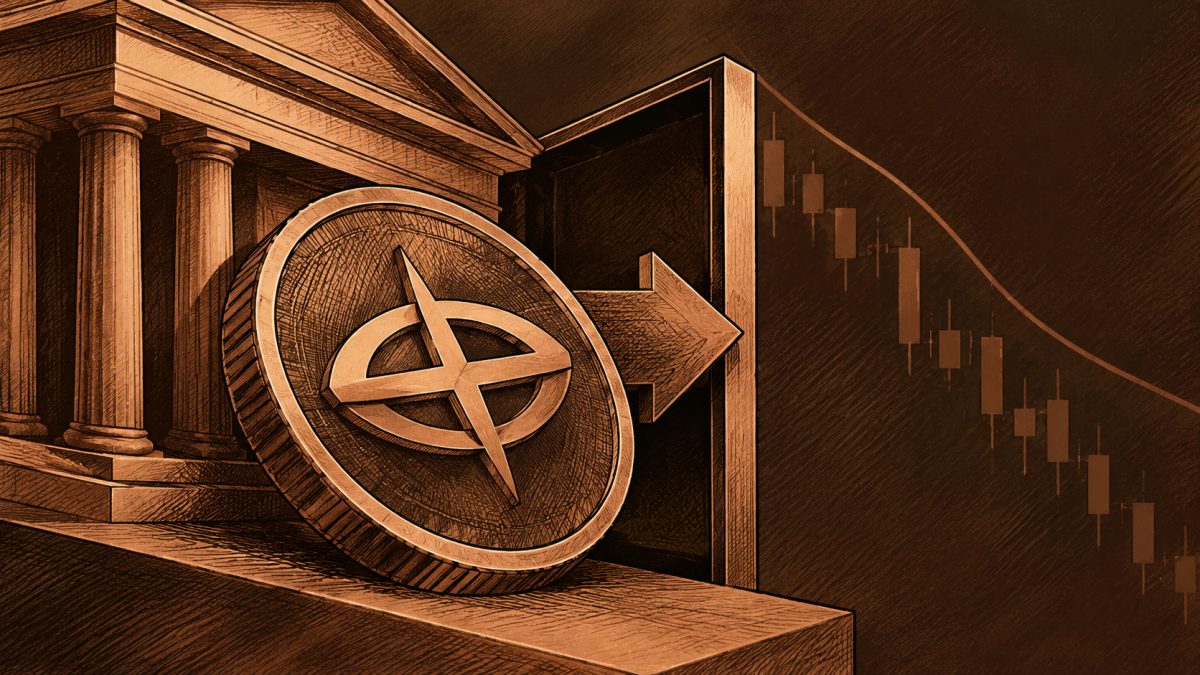
TREE NEWS reports: Upbit has announced it will end trading support for Sophon (SOPH) on November 16 at 14:00 Beijing time, delisting the SOPH/KRW, SOPH/BTC, and SOPH/USDT pairs. All open orders will be cancelled at that time. Withdrawals will remain available until December 16. The exchange cited insufficient disclosure of major events, changes to circulating supply plans, and a lack of procedural transparency, noting that the reasons SOPH was previously designated a trading warning asset have not been resolved.
Why the Delisting Matters
Delistings from major Korean exchanges are among the most consequential events for token projects, given Upbit’s dominant share of KRW-denominated trading. The removal of the KRW pair eliminates direct fiat on-ramps for Korean retail investors, while the loss of BTC and USDT markets cuts off broader liquidity. Historically, tokens delisted by Upbit experience sharp price declines and reduced visibility, as market makers and arbitrageurs exit and the asset loses its status as a tradable instrument on one of the world’s most active venues.
The Transparency Problem
The exchange’s language is notable. Upbit did not cite a hack, insolvency, or fraud, but rather procedural shortcomings: inadequate disclosure of material events, unclear changes to token supply, and limited transparency around governance. These are the same categories of concerns that have triggered warning designations across Korean exchanges in recent years, reflecting a regulatory environment that has grown increasingly strict about token issuers’ disclosure obligations.
Broader Implications for Token Listing Standards
This action reinforces a trend in which exchanges act as de facto regulators, enforcing listing standards that go beyond mere technical compliance. For projects, the lesson is that maintaining a listing requires continuous disclosure discipline, not just an initial approval. For investors, it underscores the importance of monitoring exchange notices, as warning designations often precede delistings by weeks or months.
What to Watch
- Whether Sophon addresses the disclosure issues and seeks relisting on other venues.
- Price and liquidity impact across remaining exchanges where SOPH trades.
- Whether other Korean exchanges follow Upbit’s lead with similar actions.
- Any response from Sophon’s team regarding the allegations and remediation plans.
The episode highlights how listing status is increasingly conditional and reputation-driven, with exchanges willing to cut ties when transparency standards are not met. Projects that treat disclosure as an ongoing obligation rather than a one-time hurdle are better positioned to retain access to major markets.