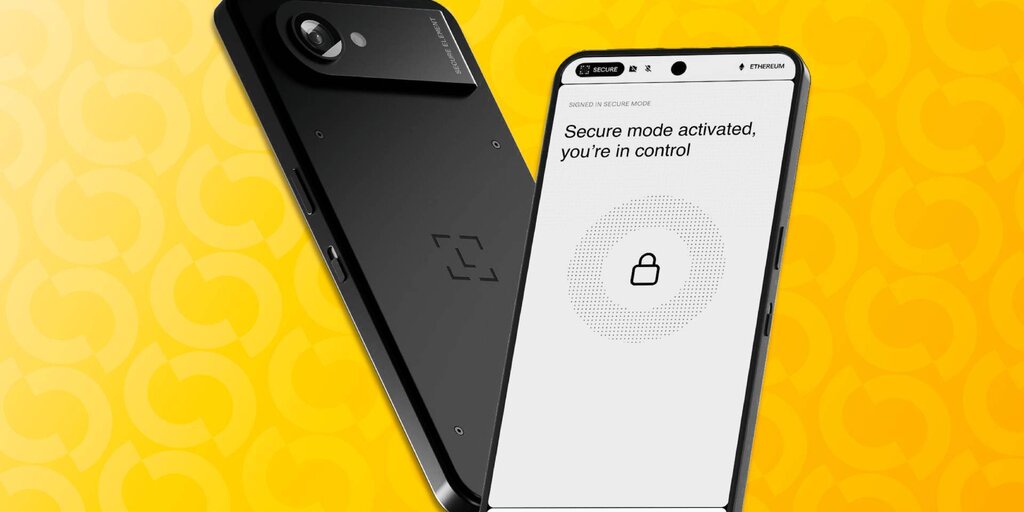
Ledger’s Atom Signals a Hardware Wallet Arms Race
TREE NEWS reports: Ledger has announced the Atom, a new hardware wallet built on an Android-based operating system and equipped with a touchscreen interface. The device is positioned as a direct response to a growing threat vector in the self-custody space: tampered devices entering the secondary market. Ledger stated the Atom will feature anti-tamper protections and be sold exclusively through its own website, a move designed to choke off the resale channel where compromised units have surfaced.
The announcement lands at a moment of heightened scrutiny for hardware wallet manufacturers. Physical attacks on self-custody devices have evolved from theoretical to practical, with bad actors intercepting shipments, swapping components, or seeding pre-initialized seeds into devices sold on marketplaces. Ledger’s decision to restrict distribution is an admission that the open retail channel is a liability it can no longer fully control.
Why Android and Why Now
Building on Android gives Ledger a mature application framework, a rich driver ecosystem for displays and secure elements, and a faster path to feature iteration. A touchscreen transforms the user experience from button-mashing to something closer to a smartphone, which matters for onboarding the next cohort of self-custody users who expect intuitive interfaces. But Android also expands the attack surface, which explains why Ledger is emphasizing anti-tamper hardware protections and a closed sales channel in the same breath.
- Distribution control: Direct-to-consumer sales reduce the risk of intercepted or counterfeit units reaching users.
- Anti-tamper focus: Physical intrusion detection and secure element integrity are being marketed as first-class features.
- User experience: A touchscreen lowers the friction of signing, verifying addresses, and managing multiple accounts.
Industry Implications
The hardware wallet market is consolidating around trust and verifiability. Competitors like Trezor and newer entrants such as Foundation and Keystone will face pressure to match Ledger’s distribution discipline or differentiate on open-source firmware and air-gapped designs. For exchanges and custodians, the Atom’s launch reinforces a broader narrative: self-custody is maturing from a cypherpunk ideal into a consumer product category with supply chain security as a core battleground.
Regulators, meanwhile, are watching. If hardware wallets become the default gateway for retail self-custody, expect scrutiny around device certification, firmware transparency, and liability when tampered units cause losses. Ledger’s probe into resold wallets may generate data that informs future standards.
Forward-Looking Perspective
The Atom’s success will hinge on whether users accept a closed distribution model in exchange for stronger guarantees. If Ledger can demonstrate a measurable drop in tampering incidents, other manufacturers may follow with their own direct-sales and anti-tamper playbooks. The bigger prize is mainstream adoption: a touchscreen Android wallet that feels like a phone could be the bridge that brings self-custody to users who have so far stayed on exchanges. Watch for firmware audit announcements, third-party security certifications, and whether Ledger opens the Atom platform to developers — each will signal how serious the company is about building an ecosystem rather than just a device.