Why a Blue Wave Is Now a Tech Trade
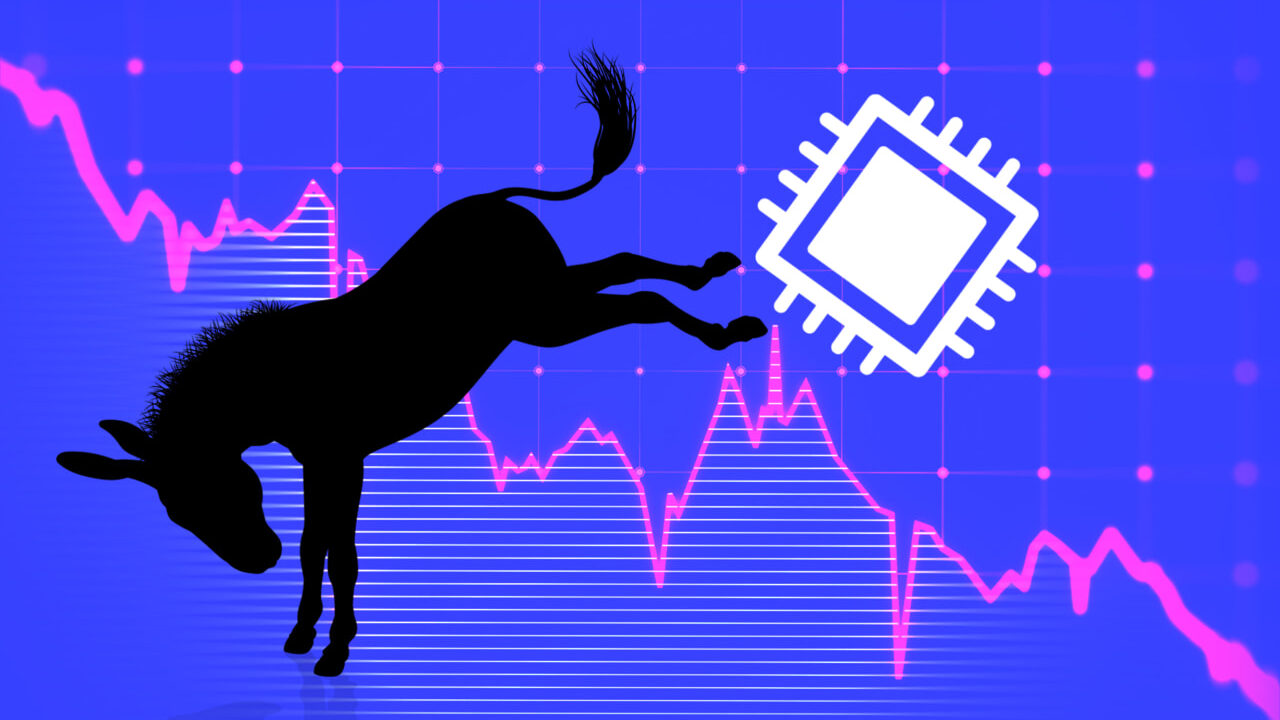
TREE NEWS reports: Popular artificial-intelligence names are under renewed pressure this week, and strategists are warning that the pain could intensify sharply if Democrats pull off a sweep in the Nov. 3 midterm elections. The thesis is straightforward: a unified Democratic government would have a clearer path to tougher antitrust enforcement, higher taxes on capital gains and corporations, and stricter regulation of the largest technology platforms — precisely the companies that have led the AI-driven rally.
That combination is landing on a market already wobbling. AI-linked equities have been the market’s narrow engine of returns, and any policy shock that targets their valuations, buyback capacity, or growth trajectory hits the entire index through concentration risk.
What a Sweep Would Actually Change
A sweep — Democrats taking the House, Senate, and White House — would remove the legislative gridlock that has shielded big tech from Washington for years. The most market-relevant channels:
- Antitrust: A friendlier Congress could pass new competition statutes and fund aggressive enforcement, raising breakup and conduct-remedy risk for platform giants.
- Taxes: Higher corporate rates and capital-gains taxes would compress after-tax earnings and reduce the incentive to hold appreciated AI winners.
- AI regulation: Licensing, safety, and data rules could slow deployment timelines and raise compliance costs for the largest model developers.
- Buybacks: Any excise or restriction on share repurchases removes a key source of demand that has supported mega-cap multiples.
How the Selloff Could Become a Crash
The mechanics matter as much as the policy. AI leaders are crowded, momentum-driven, and richly valued on forward earnings. A policy catalyst that forces institutions to trim concentrated positions can trigger forced selling, margin calls, and volatility-target funds de-risking into a falling tape. That feedback loop is what turns an orderly pullback into something closer to a crash.
Options positioning amplifies it. Heavy call buying in AI names has left dealers short gamma, meaning their hedging can accelerate moves in both directions. A political shock that flips sentiment could turn that hedging into a downward accelerant.
Cross-Asset Implications
- Equities: Mega-cap tech and AI leaders are most exposed; defensives, utilities, and small caps tied to domestic spending could outperform on a relative basis.
- Bonds: Higher expected deficits and issuance could steepen the curve, pressuring long-duration Treasuries even as growth fears support the front end.
- Crypto: Digital assets trade as a high-beta risk proxy. A tech-led drawdown would likely drag bitcoin and altcoins lower, though clearer crypto rules from a unified government could be a longer-term positive.
- Commodities and currencies: Industrial metals and oil would feel demand fears; the dollar could soften on fiscal-expansion concerns, while gold may catch a safe-haven bid.
Key Takeaways for Investors
- Concentration is the real risk: AI leadership means index-level damage from a narrow selloff.
- Policy is now a valuation input, not a background noise — watch polls, not just earnings.
- Hedging crowded momentum trades is cheap insurance before a binary political event.
- Diversify away from the AI complex, and keep dry powder for forced-selling dislocations.