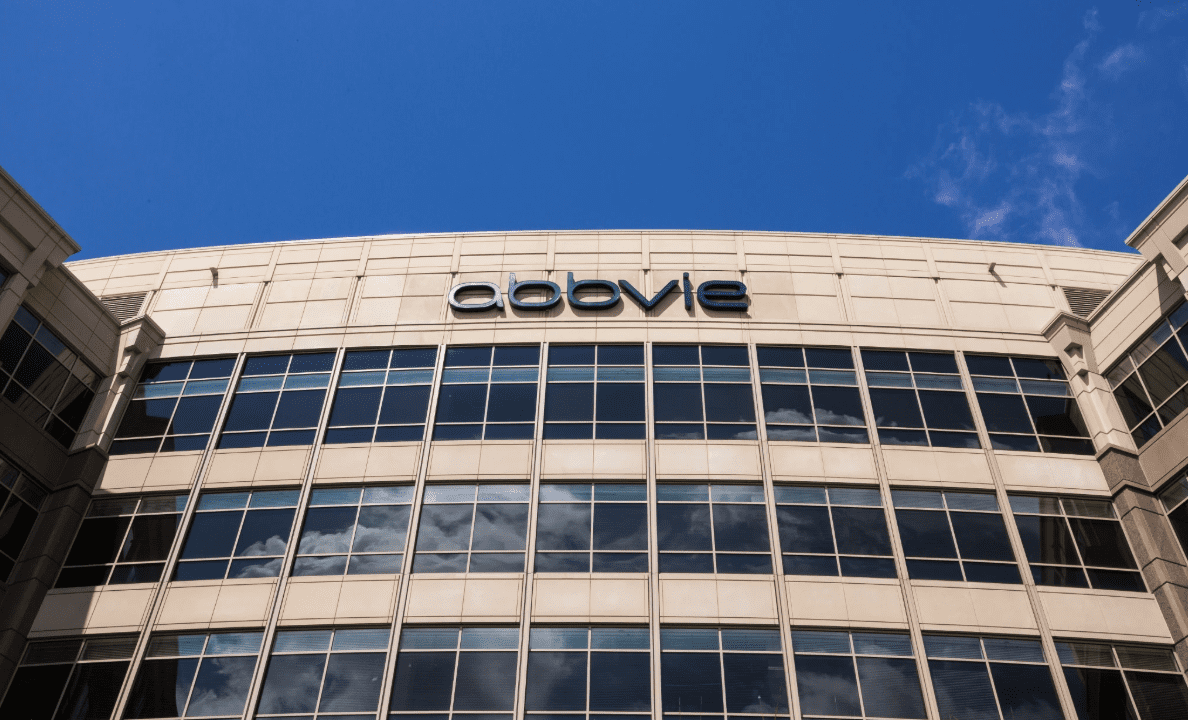
Big Pharma Stocks Close Near All-Time Highs as Tech Selloff Fuels Safe-Haven Rotation
TREE NEWS reports: Shares of major pharmaceutical companies closed near record levels on Tuesday, with AbbVie, Eli Lilly, and Gilead Sciences each finishing within striking distance of their all-time highs. The move came as investors rotated out of high-multiple technology names and into defensive healthcare equities, a classic risk-off pattern that has accelerated in recent sessions.
The divergence is stark. While the Nasdaq has wobbled under renewed pressure from rising bond yields and profit-taking in artificial intelligence leaders, the pharmaceutical complex has quietly become one of the market’s best-performing hiding spots. Eli Lilly, riding the continued momentum of its GLP-1 weight-loss and diabetes franchise, has been the standout, but the strength has broadened to include AbbVie’s immunology portfolio and Gilead’s HIV and oncology pipeline.
Why Investors Are Rotating Into Pharma
Three forces are driving the shift:
- Defensive earnings durability: Drug demand is largely non-cyclical. In an environment where investors are questioning the sustainability of AI-driven earnings growth, pharmaceutical cash flows look increasingly attractive.
- Valuation gap: After years of underperformance, large-cap pharma trades at a meaningful discount to the broader market on forward earnings — a gap that becomes harder to justify as tech multiples compress.
- Rate sensitivity: As Treasury yields rise, long-duration growth stocks suffer most. Pharma’s nearer-term cash flows and dividend profiles offer a buffer.
Market Implications Across Asset Classes
Equities: The rotation suggests the market is not simply de-risking but re-pricing leadership. If tech weakness persists, expect healthcare, consumer staples, and utilities to continue outperforming. Watch whether the S&P 500’s equal-weight index begins to outpace the cap-weighted benchmark — a key signal of broadening participation.
Bonds: The underlying driver — rising yields — remains the pivot. If the 10-year Treasury yield pushes higher, pharma’s relative appeal strengthens further. A sharp reversal in yields, however, could quickly revive tech leadership.
Crypto: Digital assets remain correlated to risk appetite. A sustained defensive rotation is typically a headwind for Bitcoin and high-beta altcoins, though crypto’s own ETF-driven flows may partially insulate it.
Commodities and Currencies: Defensive equity rotation often coincides with a firmer dollar and softer industrial commodity demand signals. Gold, however, may benefit if the rotation reflects broader growth concerns rather than just positioning.
Key Takeaways for Investors
- Don’t confuse rotation with a bear market. Money leaving tech is finding a home in pharma — this is repositioning, not capitulation.
- Watch the yield curve. The single biggest variable determining whether this rotation lasts is the path of long-term interest rates.
- Pharma fundamentals matter. Eli Lilly’s obesity-drug dominance, AbbVie’s post-Humira strategy, and Gilead’s pipeline are company-specific stories, not just a sector trade.
- Diversification is paying off. Portfolios overweight tech are feeling the pain; balanced exposure to defensive sectors is cushioning the blow.
The message from the tape is clear: in a market increasingly uncertain about the durability of the AI trade, investors are willing to pay up for predictability. Big pharma is the beneficiary — for now.