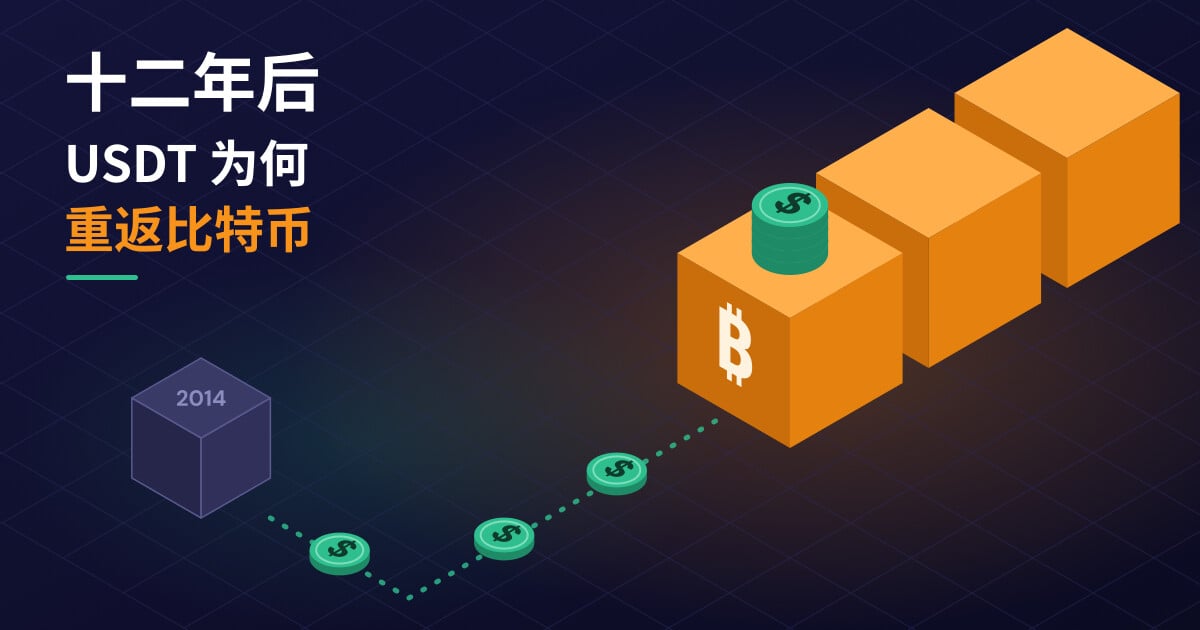
USDT’s Homecoming: From Omni to RGB
In 2014, the first USDT tokens were issued on the Bitcoin blockchain using the Omni Layer protocol. However, as Bitcoin’s block space became scarce and transaction fees soared, Tether migrated USDT to more scalable chains like Ethereum, Tron, and others. Now, twelve years later, Tether is bringing USDT back to Bitcoin through the RGB protocol, a client-side validation smart contract system that addresses the old problems of block space, fees, and capacity.
Why RGB Changes the Game
RGB leverages Bitcoin’s security and finality while keeping token data off-chain, using client-side validation. This means transactions are private, scalable, and don’t congest the base layer. Tether’s integration with RGB allows USDT to be issued and transferred on Bitcoin without bloating the blockchain. The move is significant because it combines Bitcoin’s robust security with stablecoin functionality, potentially unlocking new use cases for both.
Industry Implications
The return of USDT to Bitcoin could have far-reaching effects:
- Enhanced Bitcoin Utility: Bitcoin becomes a platform for stablecoin payments and DeFi, not just a store of value.
- Competition for Other Chains: Ethereum, Tron, and others may face pressure as USDT on Bitcoin offers a compelling alternative.
- Cross-Chain Bridges: The article highlights cross-chain bridges as a critical component. Secure and efficient bridges will be essential for moving USDT between Bitcoin and other ecosystems.
- Regulatory Scrutiny: As USDT expands to Bitcoin, regulators may pay closer attention to stablecoin operations across chains.
Forward-Looking Perspective
The success of USDT on RGB will depend on adoption by wallets, exchanges, and users. If it gains traction, it could spur further innovation in Bitcoin’s smart contract capabilities, such as Lightning Network integration and other Layer 2 solutions. Moreover, it may accelerate the convergence of Bitcoin and DeFi, a trend that has been gaining momentum. As Tether continues to dominate the stablecoin market, its strategic move back to Bitcoin underscores the importance of scalability and interoperability in the crypto ecosystem.