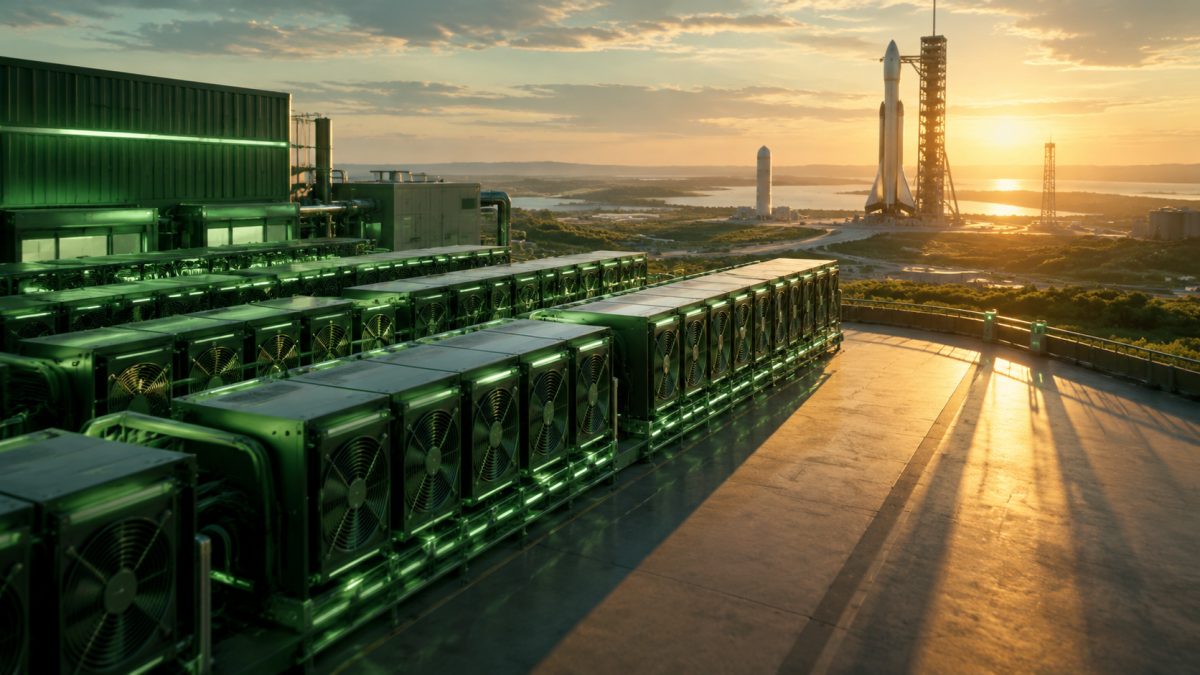
SpaceX Targets $500B–$1T ARR by 2027, Eyes 10GW Compute and GrokBot Deployment
TREE NEWS reports: SpaceX has set an ambitious target: annual recurring revenue (ARR) of $500 billion to $1 trillion by the end of 2027. The company reported Q3 revenue of $14.575 billion, up 161.39% year-over-year. Musk also expressed confidence in bringing 10 gigawatts (GW) of compute capacity online by 2027, with a non-zero possibility of exceeding 20 GW. Additionally, SpaceX plans to deploy GrokBot to enterprises at scale within weeks, and the 15th Starship test flight is expected next month, aiming to recover both the booster and the ship simultaneously.
Compute as the New Oil: Implications for Crypto and AI
The scale of SpaceX’s compute ambitions—10 to 20 GW—is staggering. For context, 1 GW of compute capacity is roughly equivalent to the power needs of a large data center campus. This level of infrastructure investment underscores the growing demand for AI training and inference, and it has significant implications for the crypto sector, particularly decentralized compute networks and AI-focused blockchain projects.
Decentralized physical infrastructure networks (DePIN) and GPU marketplaces have emerged as a bridge between AI’s insatiable compute needs and blockchain’s ability to coordinate distributed resources. Projects like Render, Akash, and io.net aim to aggregate idle GPU capacity, offering an alternative to centralized cloud providers. SpaceX’s massive compute buildout could validate the scale of demand, but it also raises questions about whether decentralized networks can compete with vertically integrated giants.
GrokBot and Enterprise AI: A Gateway to On-Chain Agents?
Musk’s announcement that SpaceX will deploy GrokBot to enterprises at scale within weeks is equally noteworthy. GrokBot, presumably an enterprise-grade AI assistant powered by xAI’s Grok models, could accelerate AI adoption across industries. For the crypto ecosystem, this signals a potential path toward on-chain AI agents—autonomous bots that execute transactions, manage assets, or interact with smart contracts. While SpaceX’s deployment may be centralized, the underlying trend toward AI-driven automation could drive demand for blockchain-based identity, payments, and data verification solutions.
Starship and the Tokenization of Space Infrastructure
The 15th Starship test flight, aiming to recover both booster and ship, represents a leap in reusable space technology. While not directly crypto-related, the broader trend of tokenizing real-world assets (RWA) could eventually extend to space infrastructure—satellites, launch services, or even future space-based compute. The convergence of AI, space, and blockchain may seem distant, but the infrastructure being built today will likely underpin tomorrow’s tokenized economy.
Forward-Looking: The AI-Crypto Nexus
SpaceX’s revenue trajectory and compute targets highlight the explosive growth of AI infrastructure. As AI demand outstrips centralized capacity, decentralized compute networks may find a niche in serving smaller enterprises or specialized workloads. Meanwhile, the deployment of GrokBot at scale could catalyze the development of AI agents that operate on-chain, blurring the lines between centralized AI and decentralized finance. Investors should watch for regulatory developments around AI and crypto, as well as technological breakthroughs in decentralized compute efficiency. The next few years will be critical in determining whether the AI-crypto convergence becomes a foundational pillar of the digital economy or remains a niche experiment.