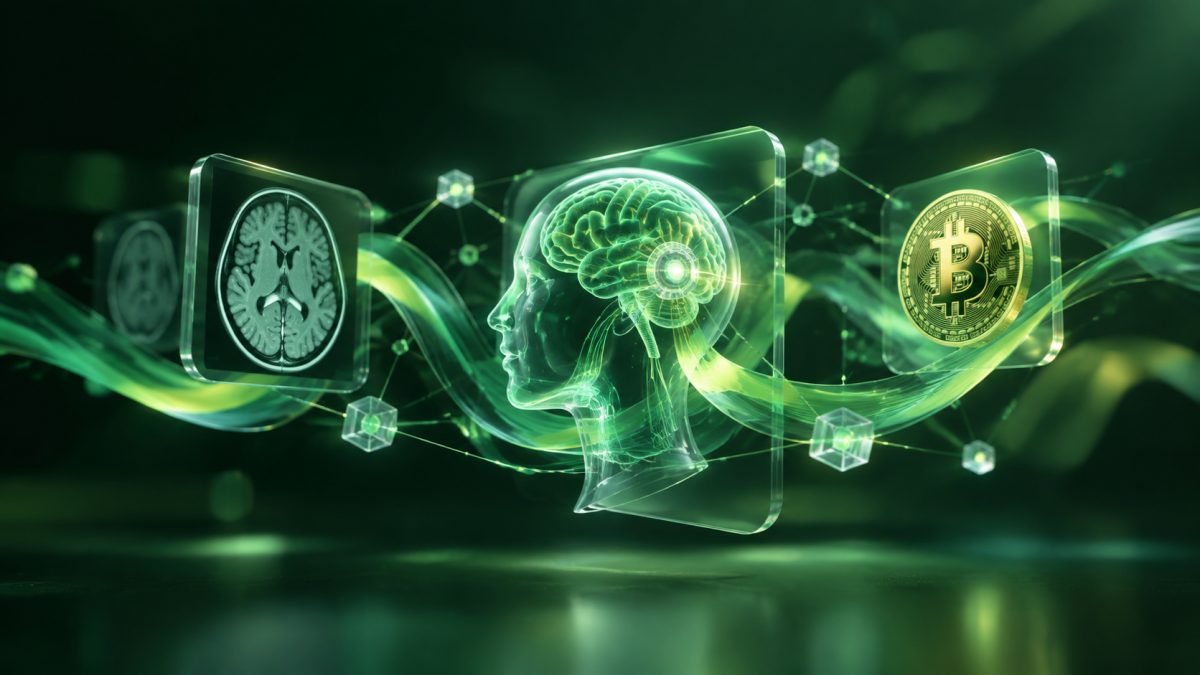
Brain-Computer Interfaces Expand Scope, MRI Gets Pulled In
TREE NEWS reports: On August 25, China’s Ministry of Industry and Information Technology (MIIT) published a draft national standard system for brain-computer interfaces (BCIs), signaling a shift from laboratory research to industrial infrastructure. The proposed guidelines, covering hardware, software, data, security, and applications, aim to establish over 40 standards by 2028 and 80 by 2030. This regulatory push is accelerating the integration of BCIs with medical imaging, particularly magnetic resonance imaging (MRI), as evidenced by a recent collaboration between Tianjin University and United Imaging Healthcare.
Market Impact Analysis
Stocks: The news is a tailwind for medical imaging and BCI-related companies. United Imaging Healthcare (688271.SH) is directly involved in developing MRI-BCI integrated solutions, and its stock could see renewed investor interest. Other players in the neurotechnology and medical device space, such as Nihon Kohden and Compumedics, may also benefit from the broader industry momentum.
Bonds: The impact on fixed income is minimal, but the MIIT’s push for standardization may signal increased government spending on high-tech infrastructure, potentially affecting sovereign and corporate bond yields in China’s tech sector.
Crypto: There is no direct crypto angle. However, the broader trend of AI and neurotech convergence could indirectly support the narrative around decentralized AI or data marketplaces, but that is speculative.
Commodities: MRI systems rely on rare earth elements for magnets, and the expansion of BCI infrastructure could increase demand for these materials, potentially supporting prices.
Currencies: The CNY might see marginal strength if this policy reinforces China’s technological leadership, but the effect is negligible.
Why This Matters for Investors
BCI technology is moving from the lab to clinical and commercial applications. The MIIT’s standardization roadmap provides regulatory clarity, which is critical for companies to scale. The integration with MRI is particularly significant because it addresses key challenges in non-invasive BCI: precise targeting, real-time monitoring, and functional assessment. Investors should watch for further collaborations between BCI startups and imaging giants, as well as regulatory approvals for clinical use.
For a deeper dive, read the full article on Wallstreetcn.