From Inflation Incentives to Revenue Buybacks
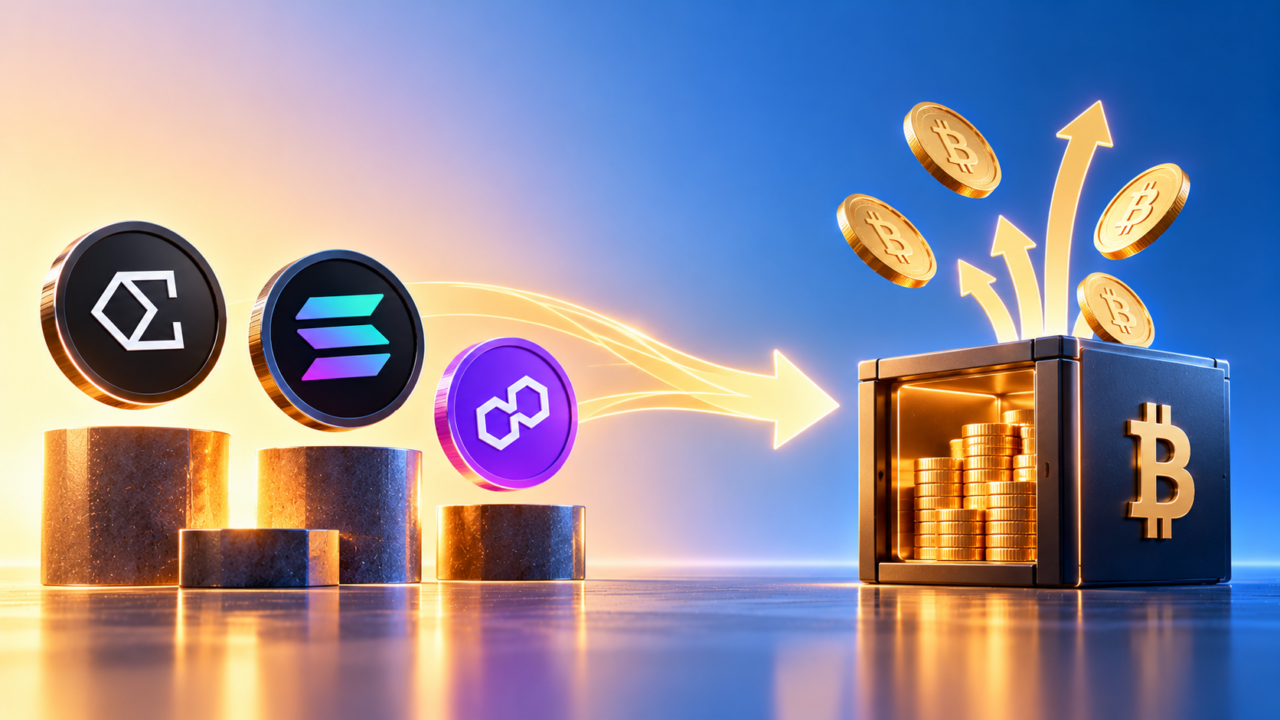
TREE NEWS reports: A sweeping review of 15 crypto projects — including Solana, Ethena, and Polygon — reveals a structural pivot in token economics. The reforms cluster around four levers: cutting inflation, buyback-and-burn programs, restructuring unlock schedules, and redesigning staking yields. The unifying thread is a drive to link protocol revenue more directly to token value, moving away from the inflation-funded incentive models that defined the last cycle.
Buybacks Surge, But Concentration Is Extreme
Token buyback activity has grown markedly this year, yet the distribution is highly skewed. Hyperliquid and pump.fun account for nearly 90% of total repurchase volume, meaning the headline growth masks a far thinner base of participation. For most projects, buybacks remain symbolic rather than structural.
More tellingly, several projects running active buyback programs have still seen their token prices decline. This underscores a hard truth: buybacks and deflationary mechanics cannot substitute for genuine users, revenue, and business growth. A token that burns supply without expanding demand is simply shrinking a smaller pie.
Implications for Protocol Design
The shift carries several implications for builders and investors:
- Revenue is the new APY. Markets are increasingly pricing tokens on real fee generation rather than emission yields.
- Net issuance matters. The gap between gross emissions and buyback absorption is becoming a key health metric.
- Value distribution is scrutinized. How revenue flows to holders — via burns, staking, or fee sharing — is now a core diligence question.
- Concentration risk. Reliance on a handful of high-revenue protocols flatters aggregate buyback data.
Forward-Looking Perspective
The next phase of token model evaluation is likely to move beyond issuance schedules and headline yields toward three durable questions: how much revenue a protocol actually earns, what its net issuance looks like after buybacks, and whether value distribution is sustainable over time. Projects that can demonstrate a credible revenue-to-token feedback loop will likely command a premium, while those relying on deflationary optics alone may continue to see prices drift lower. The era of engineering scarcity without engineering demand appears to be closing.