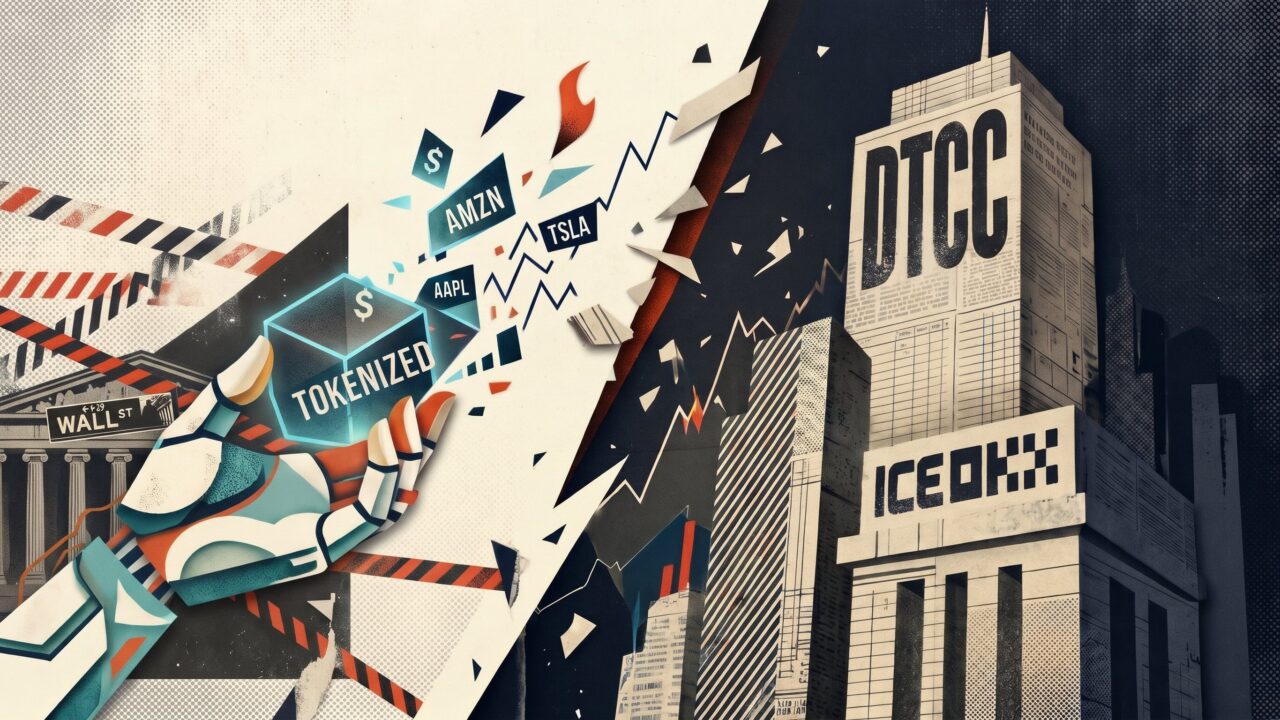
Tokenized US Stocks Face Mounting Resistance from Traditional Finance
The push to bring tokenized US equities into mainstream crypto trading has run into a formidable wall of opposition from the very issuers whose shares are being wrapped. A full-page advertisement in The Wall Street Journal has publicly escalated the dispute, while a coalition of 33 major companies has united against platforms like OKXICE that offer tokenized stock products. The coordinated pushback signals that the path to tokenizing traditional assets is far from smooth, with incumbent interests determined to defend their turf.
The Stakes: Ownership, Control, and Market Integrity
At the heart of the conflict is a fundamental question: who controls the digital representation of a publicly traded company? Tokenized stocks promise 24/7 trading, fractional ownership, and seamless integration with DeFi, but issuers argue that these products bypass established investor-protection frameworks, complicate corporate actions like dividends and voting, and could undermine market integrity. The full-page ad and the 33-company coalition underscore that issuers are not willing to cede control over how their shares are represented and traded.
The coalition’s opposition to OKXICE—a platform that facilitates tokenized stock trading—reflects broader concerns about regulatory arbitrage and the potential for tokenized products to fragment liquidity and create parallel markets. For issuers, the reputational and legal risks of having their shares traded on unregulated or lightly regulated venues are significant.
Industry Implications: A Battle for the Future of Market Structure
This clash is not merely a squabble over one platform; it is a proxy war over the future of market structure. Tokenization advocates argue that bringing equities on-chain can democratize access, reduce settlement times, and unlock new composability with DeFi protocols. Traditional issuers and exchanges counter that such innovation must not come at the expense of investor protection and market stability. The involvement of major industry players—33 companies is a substantial coalition—suggests that the pushback is coordinated and well-funded, likely to include lobbying efforts and potential legal challenges.
For crypto platforms, the message is clear: tokenizing traditional assets without issuer consent will face fierce resistance. The outcome of this battle will shape the contours of the RWA (real-world asset) sector, determining whether tokenized stocks become a mainstream offering or remain a niche product confined to offshore venues.
Forward Look: Regulation and Compromise on the Horizon
Looking ahead, the conflict is likely to accelerate regulatory scrutiny. Securities regulators may be compelled to clarify whether tokenized stocks constitute securities and how they should be regulated. A compromise could emerge in the form of licensed tokenization platforms that work with issuers, ensuring compliance and investor protection. Alternatively, the standoff could harden, pushing tokenized stock trading further offshore and limiting its growth in major markets.
For now, the full-page ad and the 33-firm coalition serve as a stark reminder that the tokenization of traditional assets is not just a technological challenge but a political and legal one. The crypto industry’s ambition to remake capital markets will require navigating a complex web of incumbent interests, regulatory frameworks, and public perception. The coming months will reveal whether dialogue or confrontation prevails.