New I-Bond Rate Near 5.5%: Why a Ladder Strategy Still Beats Chasing Yield
TREE NEWS reports: The U.S. Treasury is set to announce a new composite rate for Series I savings bonds that could land at 5.5% or 5.4% for the next six-month period. The projected rate reflects the inflation-adjusted variable component plus a fixed rate that has remained at 0.9% since late 2023. While the headline figure is eye-catching, financial planners say the more important takeaway for retirement savers is that I bonds remain a uniquely safe vehicle for guaranteed income—and that a laddered approach can smooth out rate volatility over time.
What Happened
The upcoming rate reset for I bonds, which occurs every May and November, is being closely watched because it follows a period of sticky inflation. The composite rate is composed of a fixed rate, set at purchase and lasting the life of the bond, and a variable inflation rate that adjusts semiannually based on the Consumer Price Index for Urban Consumers (CPI-U). With the March CPI reading showing persistent price pressures in services and housing, analysts estimate the new variable component will push the composite rate to roughly 5.4% to 5.5% for bonds purchased between May and October 2025.
That would be down from the 6.89% composite rate offered in the prior period but still well above the historical average for savings vehicles. The fixed rate, which is the permanent component, is expected to stay at 0.9%, meaning investors who buy now lock in that real yield for up to 30 years.
Market Implications
For markets, the I-bond rate is a sideshow compared with Federal Reserve policy, but it carries signal value. A still-elevated composite rate suggests inflation remains a real force in the economy, reinforcing expectations that the Fed will keep interest rates higher for longer. That has several implications:
- Bonds: Treasury yields may stay elevated, particularly at the short end, as investors demand compensation for inflation. Long-dated Treasuries could remain volatile if inflation expectations rise.
- Stocks: Higher-for-longer rates pressure equity valuations, especially for growth and technology stocks whose earnings are weighted toward the future. Defensive sectors and dividend payers may outperform.
- Crypto: Digital assets, particularly bitcoin, have shown sensitivity to real yields. A higher real yield on risk-free assets like I bonds could reduce appetite for speculative assets, though crypto markets are also driven by liquidity and ETF flows.
- Commodities: Persistent inflation supports commodities like gold and oil as inflation hedges, but a strong dollar could cap gains.
- Currencies: A hawkish Fed relative to other central banks supports the U.S. dollar, making exports less competitive but keeping imported inflation in check.
For retirement savers, the I-bond rate is less about market timing and more about building a reliable income floor. I bonds are backed by the full faith and credit of the U.S. government, accrue interest tax-deferred, and are exempt from state and local income taxes. They can be redeemed after one year, with a three-month interest penalty if redeemed before five years. The purchase limit is $10,000 per person per calendar year through TreasuryDirect, with an additional $5,000 possible via tax refunds.
Why Laddering Matters
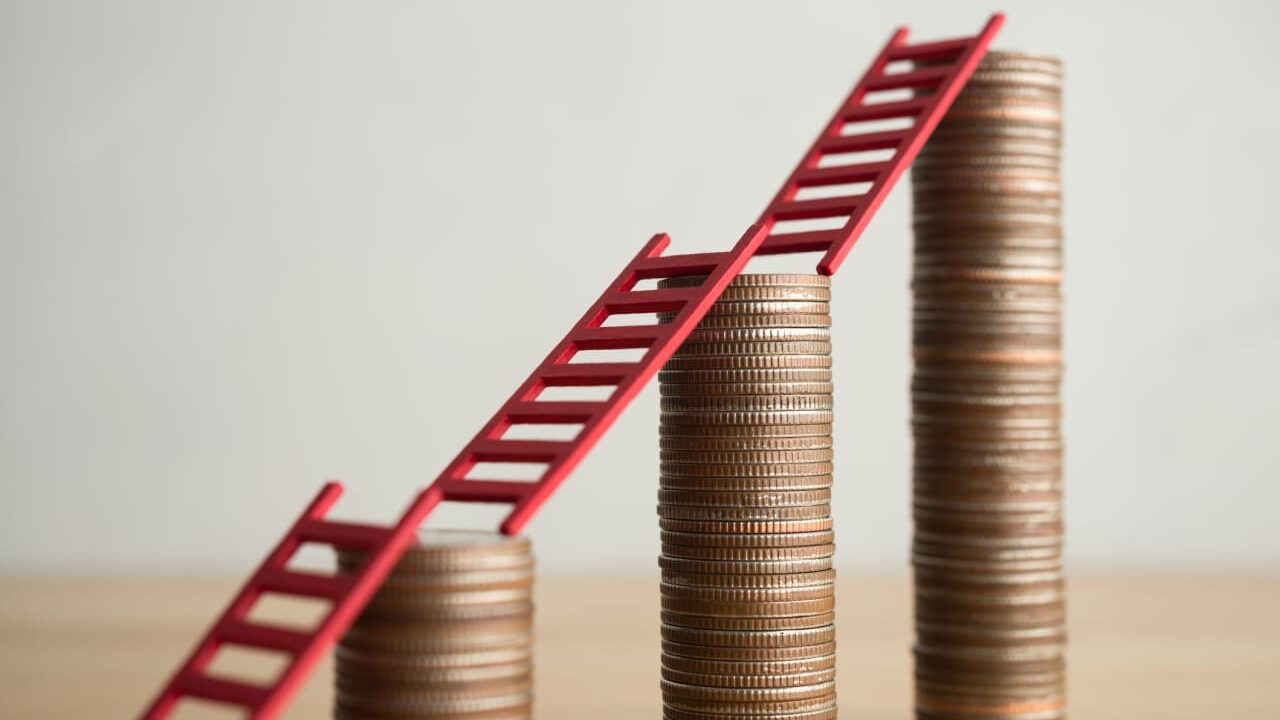
A ladder strategy involves buying I bonds at regular intervals—for example, $2,000 every quarter—so that different tranches carry different fixed rates and inflation adjustments. This smooths out the impact of rate changes and provides liquidity as each rung matures. For retirees, a ladder can create a predictable stream of inflation-protected income without the complexity and fees of an annuity.
Financial planners caution against chasing the highest composite rate. The variable component will fluctuate, and the fixed rate is what matters for long-term purchasing power. A ladder ensures you capture attractive fixed rates when they are available while maintaining flexibility.
Key Takeaways for Investors
- Don’t chase the headline rate: The composite rate will change every six months; focus on the fixed rate and your overall income plan.
- Use ladders for stability: Regular purchases smooth out rate volatility and provide liquidity.
- Consider I bonds as a complement, not a replacement: They are ideal for emergency funds and conservative retirement allocations, but limited purchase amounts mean they won’t replace a full portfolio.
- Watch inflation and Fed policy: The I-bond rate is a real-time inflation gauge; use it as one input among many for asset allocation.
In a world of uncertain inflation and volatile markets, I bonds offer a rare combination of safety, inflation protection, and tax efficiency. The new rate may be slightly lower than last period’s, but for long-term savers, the strategy matters more than the number.