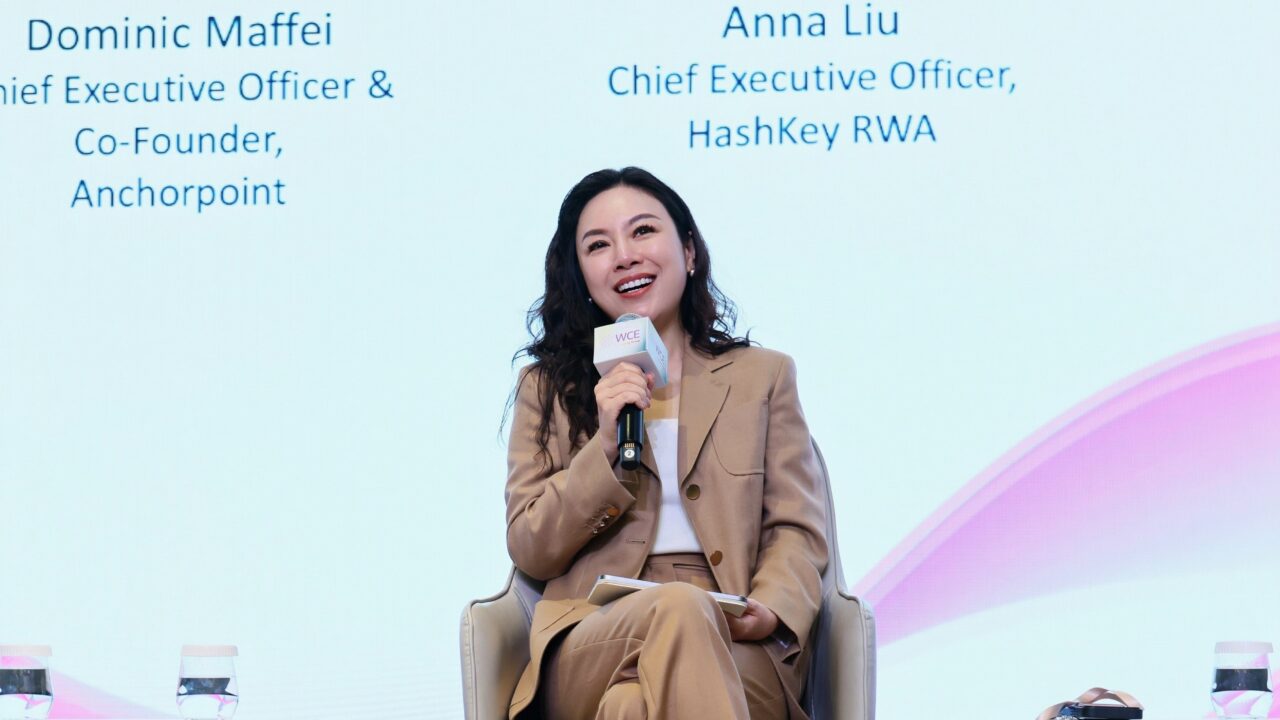
HashKey RWA CEO Anna Liu: Women Should Co-Shape Rules for Emerging Industries
At the WCE Summit 2026, Anna Liu, CEO of HashKey RWA, delivered a keynote emphasizing that as the landscapes and rules of industries like artificial intelligence, Web3, and digital assets are still being formed, female leaders bring unique value through empathy, keen insight, and resilience that balances firmness and flexibility in complex environments.
Industry Analysis and Implications
Liu’s remarks come at a critical juncture for the real-world asset (RWA) tokenization sector, which is rapidly evolving from experimental pilots to institutional-grade infrastructure. The convergence of traditional finance (TradFi) and decentralized finance (DeFi) demands not only technical innovation but also robust governance frameworks. As regulators worldwide scramble to keep pace with tokenization, the call for diverse leadership in rule-making is both timely and necessary.
Women remain underrepresented in crypto and blockchain leadership, yet studies suggest that diverse teams lead to better decision-making and more inclusive products. Liu’s assertion that women should be co-shapers of rules aligns with broader industry efforts to foster sustainable growth. In the RWA space, where assets like real estate, bonds, and commodities are being tokenized, the stakes are high: poorly designed rules could stifle innovation or expose investors to undue risk. Female leaders, Liu argues, can bring a balanced perspective that prioritizes long-term stability over short-term gains.
HashKey Group, a prominent digital asset financial services firm in Asia, has been at the forefront of RWA tokenization. Under Liu’s leadership, HashKey RWA aims to bridge traditional and digital finance, emphasizing compliance and regulatory engagement. Her presence at WCE Summit 2026 underscores the firm’s commitment to shaping industry standards and promoting diversity.
Forward-Looking Perspective
As AI and Web3 continue to blur boundaries, the need for inclusive rule-making will only grow. Liu’s message serves as a rallying cry for greater female participation in crypto and tech leadership. Moving forward, stakeholders should heed this call by creating pathways for women to influence policy, product design, and corporate governance. The future of RWA tokenization—and the broader digital economy—will be brighter if built by diverse voices. With leaders like Liu advocating for co-creation, the industry may well see a more equitable and resilient framework emerge.