US Conducts Covert Strike on Iran’s Qeshm Island as Diplomatic Signals Continue
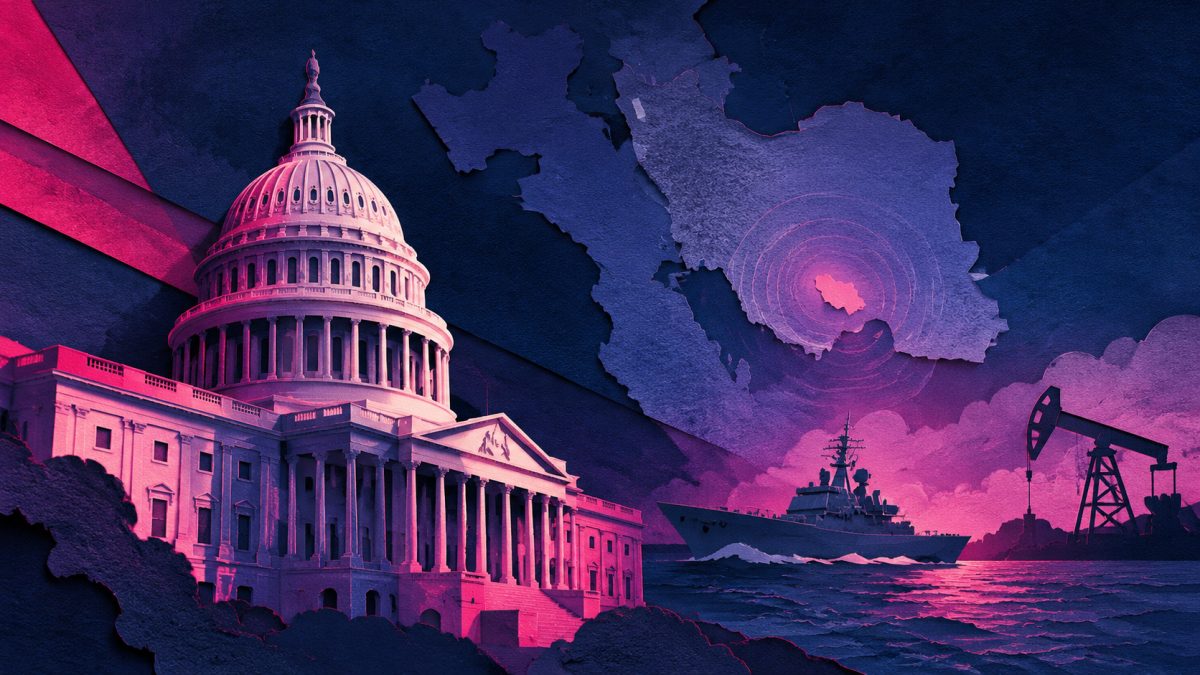
TREE NEWS reports: The United States carried out a military strike on Iran’s Qeshm Island on Wednesday, marking the latest in a series of “limited strikes” in recent weeks, even as senior officials expressed optimism about a negotiated solution. The attack, which destroyed Iranian missile launchers, was deliberately kept low-profile to avoid perceptions of a return to full-scale conflict. Iranian forces reportedly fired a surface-to-air missile at a US fighter jet and launched a missile targeting a commercial vessel, both of which were intercepted. The timing is critical: the US midterm elections begin on November 3, and President Trump had previously pledged not to attack Iran before the vote.
Market Implications: Oil, Currencies, and Risk Assets
The news adds a fresh layer of uncertainty to an already volatile geopolitical landscape. Oil prices had fallen sharply on Monday—the largest single-day drop in nearly three months—after both sides signaled willingness to talk. The strike could reverse that trend if tensions escalate, but the low-key nature of the operation and continued diplomatic overtures may limit the upside for crude. For currencies, the US dollar could see safe-haven demand, particularly against emerging market currencies. The Iranian rial, already under pressure, may weaken further. Gold, a traditional hedge, could benefit from any perceived escalation. Equity markets, especially in the US, may react with caution, with defense stocks potentially outperforming while energy stocks could see volatility. Cryptocurrencies, often sensitive to risk sentiment, might experience short-term selling pressure if investors flee to safety, though the decentralized nature of the asset class could also attract buyers seeking alternatives amid geopolitical turmoil.
Context: Why This Matters for Investors
The contradictory signals—military action paired with diplomatic outreach—create a complex environment for investors. The US administration appears to be pursuing a dual-track strategy: maintaining pressure through limited strikes while keeping the door open for negotiations. This approach aims to satisfy domestic political demands ahead of midterms while preserving leverage in talks. However, Iran’s warning of a “more decisive and broader” response if further aggression occurs raises the risk of miscalculation. Investors should monitor the Strait of Hormuz, a critical chokepoint for global oil shipments. Any disruption there could spike oil prices and reignite inflation concerns, complicating central bank policies. Additionally, the midterm elections add a political dimension: a change in congressional control could alter the administration’s foreign policy flexibility. Markets may price in higher geopolitical risk premiums, particularly in energy and defense sectors. Safe-haven assets like US Treasuries, gold, and the dollar could see inflows, while riskier assets like emerging market equities and high-yield bonds may face outflows. Crypto markets, increasingly correlated with traditional risk assets, could also experience heightened volatility.
Key Takeaways for Investors
- Geopolitical risk premium is likely to rise, supporting oil and gold prices in the short term.
- Safe-haven currencies (USD, CHF, JPY) may strengthen; monitor the Iranian rial for further depreciation.
- Defense stocks could outperform; energy stocks may see volatility depending on Strait of Hormuz developments.
- Cryptocurrencies may face selling pressure if risk-off sentiment dominates, but could also attract buyers seeking non-sovereign assets.
- Keep an eye on the US midterms: a shift in Congress could impact the administration’s ability to sustain its dual-track approach.
- Overall, expect increased market volatility and consider hedging strategies to protect portfolios against sudden geopolitical shocks.