Ethereum’s usability improves while ETH economics deteriorate
Ethereum’s network is becoming cheaper and more efficient, but the same cannot be said for the value accrual to its native token. BitMine, a major corporate ETH holder, is sitting on unrealized losses exceeding $4 billion and has prioritized share buybacks over further ETH purchases. Spot Ethereum ETFs recorded net outflows of over $1.2 billion in October. Meanwhile, 1.37 million ETH are queued for staking, signaling long-term conviction from some holders even as market sentiment sours.
The decoupling of utility and value
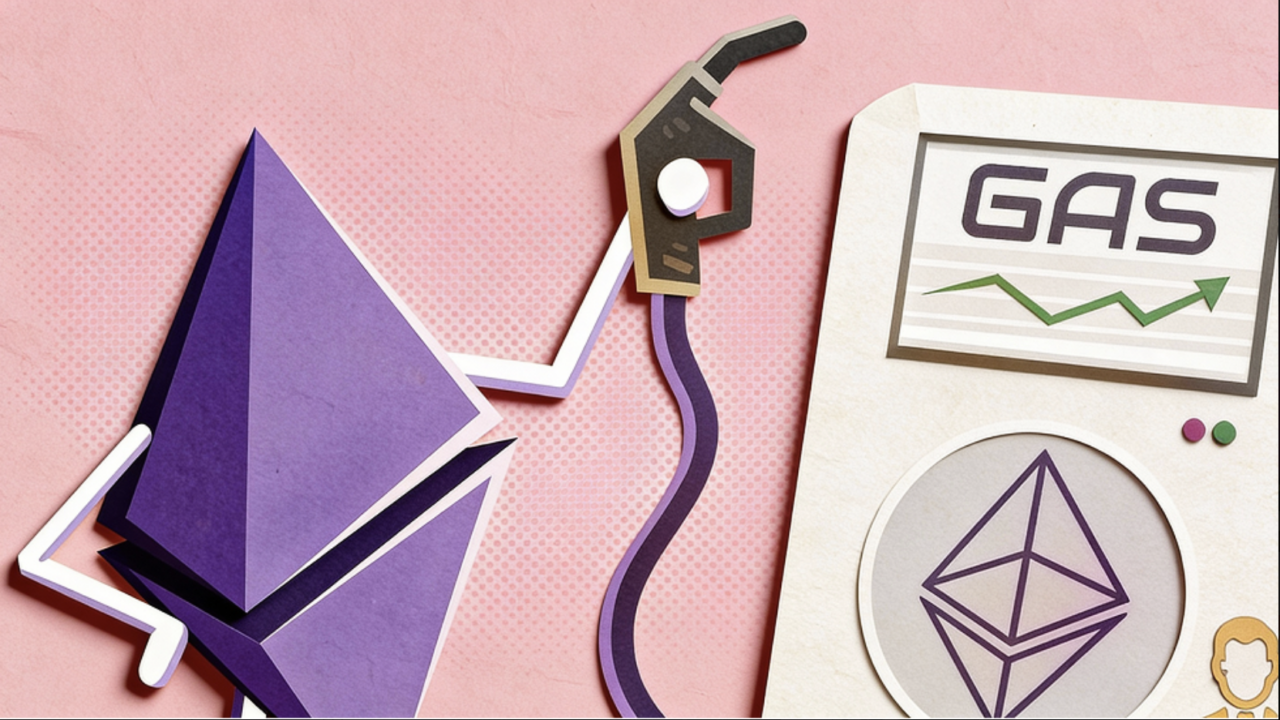
The core issue is a broken transmission chain between network utility and token value. Mainnet fees have plummeted, with the base fee now at just 0.06 Gwei. ENS has abandoned its dedicated Layer 2 plan, and the highly anticipated Glamsterdam upgrade has been delayed due to audit risks. These developments paint a picture of a network that is easier and cheaper to use, but where ETH’s monetary properties are weakening.
At a base fee of 0.06 Gwei, Ethereum has flipped from a deflationary asset to a net inflationary one on a daily basis. The burn mechanism that once made ETH ultrasound money is now barely active. This structural shift means that even as adoption grows, the supply of ETH increases, diluting holders.
Institutional caution and staking demand
The ETF outflows and BitMine’s shift in strategy reflect a broader institutional caution. BitMine’s decision to buy back shares rather than accumulate more ETH suggests that corporate treasuries are reassessing the risk-reward profile of holding the asset. Yet the 1.37 million ETH staking queue indicates that a segment of the market remains committed to the network’s long-term potential, locking up tokens for yield.
This divergence between speculative and yield-seeking capital creates a complex dynamic. Staking removes ETH from circulation, but the inflationary supply offset may negate the scarcity effect. The delay of the Glamsterdam upgrade adds further uncertainty, as it was expected to bring improvements that could enhance fee markets and staking economics.
Forward outlook: waiting for the next catalyst
For ETH holders, the current environment is frustrating. The network is technically improving—lower fees, better scalability—but these improvements are not translating into price appreciation. The key question is whether upcoming upgrades or a shift in market structure can restore the link between utility and value. Until then, ETH may remain a victim of its own success: a better network with a weaker token.
Investors should watch for signals of a fee market recovery, progress on the Glamsterdam upgrade, and any reversal in ETF flows. The staking queue suggests some are betting on a turnaround, but the path to value accrual remains uncertain.