AI Political Spending Falls Short as Crypto Industry Flexes Muscle
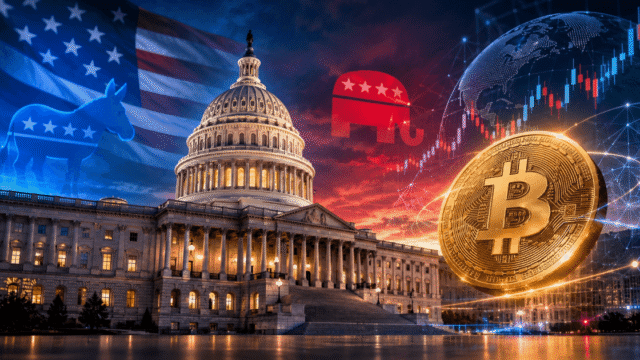
TREE NEWS reports: In the 2024 US midterm elections, political action committees (PACs) focused on artificial intelligence spent approximately $72 million, while the crypto industry’s three major PACs spent about $170 million. The crypto sector’s spending exceeded AI PACs by roughly $100 million, underscoring its growing influence in Washington.
Mixed Results for AI PACs
Despite their substantial outlay, AI PACs saw several high-profile losses. Candidates backed by AI-aligned groups—Darline Graham in South Carolina, Mike Rogers in Michigan, and Carlos in Texas—all lost their races. The outcomes suggest that money alone does not guarantee electoral success, especially when messaging fails to resonate with voters.
Crypto’s Costly Battle
The crypto industry also faced setbacks. Terrett previously reported that over $64 million was spent in an unsuccessful attempt to prevent Sherrod Brown from entering the Senate. Brown, a known crypto skeptic, secured his seat despite the massive spending against him. This highlights the limits of financial influence in tightly contested races where other factors, such as incumbency and local issues, play a decisive role.
Implications for Policy and Regulation
The spending disparity between AI and crypto PACs reflects the industries’ differing priorities and resources. Crypto firms have aggressively ramped up political donations to shape legislation on digital assets, stablecoins, and market structure. AI companies, while increasingly active, appear to be still finding their footing in the political arena. The midterm results may prompt both sectors to reassess their strategies, focusing on grassroots engagement and candidate quality rather than sheer expenditure.
Looking Ahead
As the 2026 midterms approach, expect crypto PACs to continue their heavy spending, particularly in races where crypto-friendly candidates can tip the balance. AI PACs, meanwhile, may refine their approach, learning from this cycle’s defeats. The broader lesson is clear: in politics, money is a necessary but not sufficient condition for victory. Both industries will need to build lasting coalitions and articulate clear value propositions to voters and lawmakers alike.