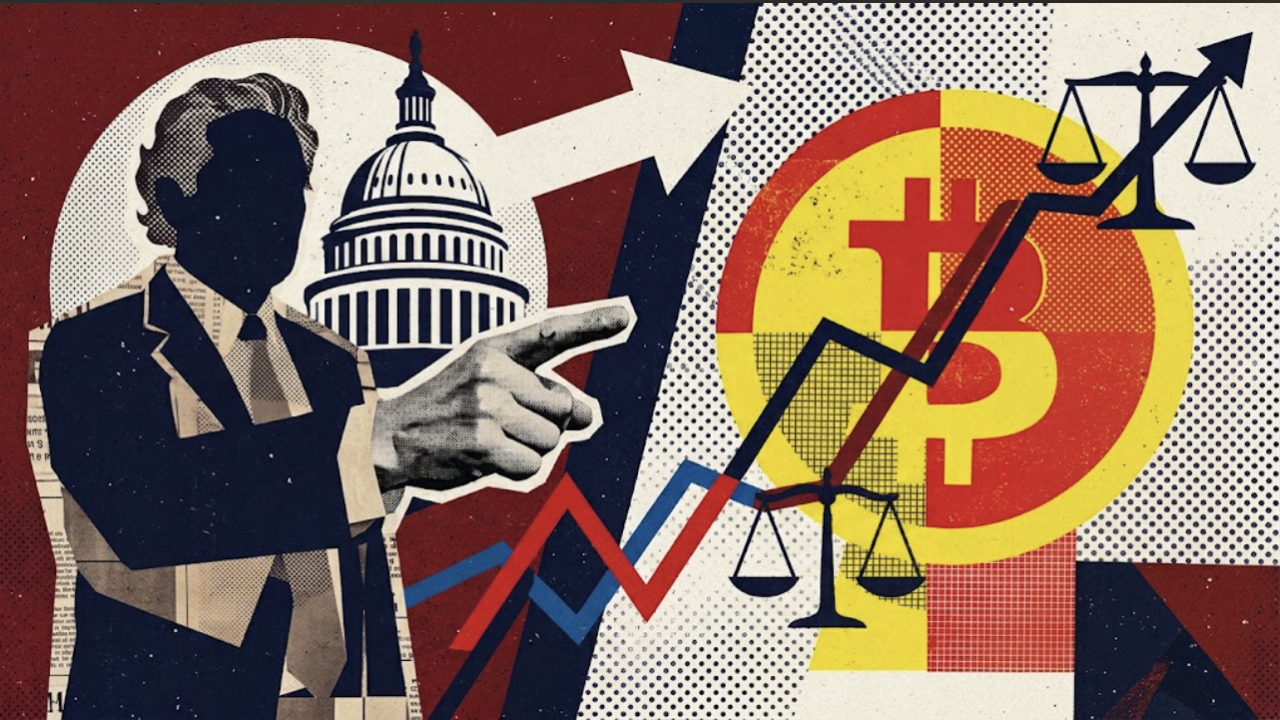
US Crypto Regulation at a Crossroads: Key Lawmakers and Policy Battles After the Midterms
The new Congress is set to reshape the US crypto policy landscape, with several key lawmakers positioned to influence the direction of digital asset regulation. As the midterm elections bring shifts in committee leadership, the crypto industry is closely watching who will hold the gavel on critical issues ranging from stablecoin oversight to market structure and tax treatment.
Key Players and Their Stances
Among the most influential figures are those on the Senate Banking Committee and the House Financial Services Committee. Senator Sherrod Brown (D-Ohio), a long-time skeptic of crypto, has been a vocal critic of the industry, while Senator Pat Toomey (R-Pa.), a crypto advocate, is retiring. Their replacements and the balance of power will determine whether pro-crypto legislation gains traction. In the House, Rep. Patrick McHenry (R-N.C.), a strong supporter of the industry, is set to become the chair of the Financial Services Committee, potentially pushing for clearer rules.
Other notable lawmakers include Senator Cynthia Lummis (R-Wyo.), a bitcoin advocate who has proposed comprehensive crypto legislation, and Senator Kirsten Gillibrand (D-N.Y.), who has partnered with Lummis on a regulatory framework. Their bipartisan efforts could provide a foundation for future bills.
Policy Battlegrounds
The legislative agenda is likely to focus on several key areas:
- Stablecoin regulation: Bills to create a federal framework for stablecoin issuers are gaining momentum, with concerns over reserve requirements and consumer protection.
- Market structure: Clarifying the roles of the SEC and CFTC in overseeing digital assets remains a priority, especially after high-profile enforcement actions.
- Tax treatment: Lawmakers are considering simplifying tax reporting for crypto transactions, which could boost adoption.
- DeFi oversight: Regulators are grappling with how to apply existing rules to decentralized finance, with some lawmakers pushing for tailored approaches.
Industry Implications
The outcome of these debates will have profound implications for the crypto industry. Clearer regulations could attract institutional capital and foster innovation, while overly restrictive rules could drive projects offshore. The midterm elections have already shifted the balance, with several crypto-friendly candidates winning seats. Industry advocates are hopeful that a more receptive Congress will advance sensible legislation.
Forward-Looking Perspective
As the new Congress convenes, the crypto industry faces both opportunities and risks. The coming months will reveal whether lawmakers can overcome partisan divides to deliver regulatory clarity. With the global regulatory environment evolving rapidly, the US risks falling behind if it fails to act. The key will be finding common ground on issues like consumer protection and illicit finance while allowing innovation to thrive. Stakeholders should engage with policymakers to shape outcomes that support the responsible growth of digital assets.