Midterm Election Results: Wealthy Americans Are Thrilled, but Markets May Not Share the Enthusiasm
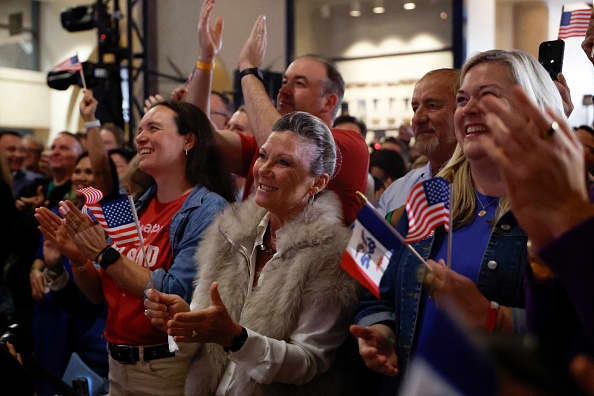
TREE NEWS reports: A new survey reveals a sharp income divide in how Americans reacted to this year’s midterm election results. While most respondents said they were “thrilled” or “happy” with the outcome, those with higher incomes were significantly more likely to express strong satisfaction. The findings offer a window into how different segments of the population perceive the political landscape—and, by extension, the economic policies likely to emerge from it.
The data shows that a majority of Americans across all income brackets reported positive feelings about the results, but the intensity of that approval rose with income level. Wealthier households, who tend to be more invested in financial markets and more sensitive to tax and regulatory policy, were the most enthusiastic. Lower-income respondents were more likely to describe themselves as merely “satisfied” or “relieved” rather than “thrilled.”
Why the Income Gap in Sentiment Matters for Markets
Consumer sentiment is a closely watched economic indicator, and political sentiment can influence spending and investment decisions. When wealthier Americans feel optimistic about election outcomes, they may be more inclined to deploy capital, take on risk, or increase consumption of discretionary goods and services. That could provide a modest tailwind for equities, particularly in sectors sensitive to high-income spending such as luxury retail, travel, and financial services.
However, the survey also highlights a potential disconnect: the groups most pleased with the results are not necessarily representative of the broader economy. If lower-income households remain less enthusiastic, consumer spending—which drives roughly two-thirds of U.S. economic activity—could face headwinds. Retailers and consumer staples companies that cater to middle- and lower-income demographics may see more muted demand.
Policy Implications and Sector Impacts
Midterm elections often shape the legislative agenda, and divided government can mean gridlock on major fiscal reforms. For investors, that may translate into:
- Stocks: Reduced likelihood of significant tax increases or sweeping regulatory changes could be viewed favorably by equity markets, especially for sectors like energy, healthcare, and financials that are highly sensitive to policy shifts.
- Bonds: Gridlock may limit new fiscal stimulus, potentially easing pressure on Treasury yields. But if divided government leads to debt-ceiling brinkmanship or budget standoffs, volatility in fixed income could rise.
- Crypto: Digital assets have become increasingly sensitive to regulatory signals. A divided Congress may slow the pace of crypto-specific legislation, leaving regulatory agencies to fill the gap—a mixed bag for the industry.
- Commodities: Policy uncertainty around energy and trade can affect oil, gas, and industrial metals. A status-quo outcome may reduce extreme scenarios but does little to resolve structural supply issues.
- Currencies: The dollar’s direction will depend more on Federal Reserve policy and global risk appetite than on midterm results, but political stability (or lack thereof) can influence short-term flows.
Key Takeaways for Investors
- Sentiment is not policy: While wealthy Americans may feel good about the results, actual legislative outcomes will be shaped by divided government and compromise. Don’t over-extrapolate from survey data.
- Watch the consumer: The income gap in sentiment could signal divergent spending patterns. Monitor retail sales and consumer confidence indices for signs of strain among lower-income households.
- Sector rotation opportunities: Policy-sensitive sectors may see relief rallies, but sustainable moves will depend on earnings and economic fundamentals.
- Stay diversified: With political gridlock likely, macro factors—especially inflation and interest rates—will remain the dominant drivers of asset prices across stocks, bonds, crypto, and commodities.
Ultimately, the midterm results may provide a short-term sentiment boost for affluent investors, but the longer-term market impact will depend on how the political landscape translates into actual economic policy—and whether that policy addresses the widening divide in American economic confidence.