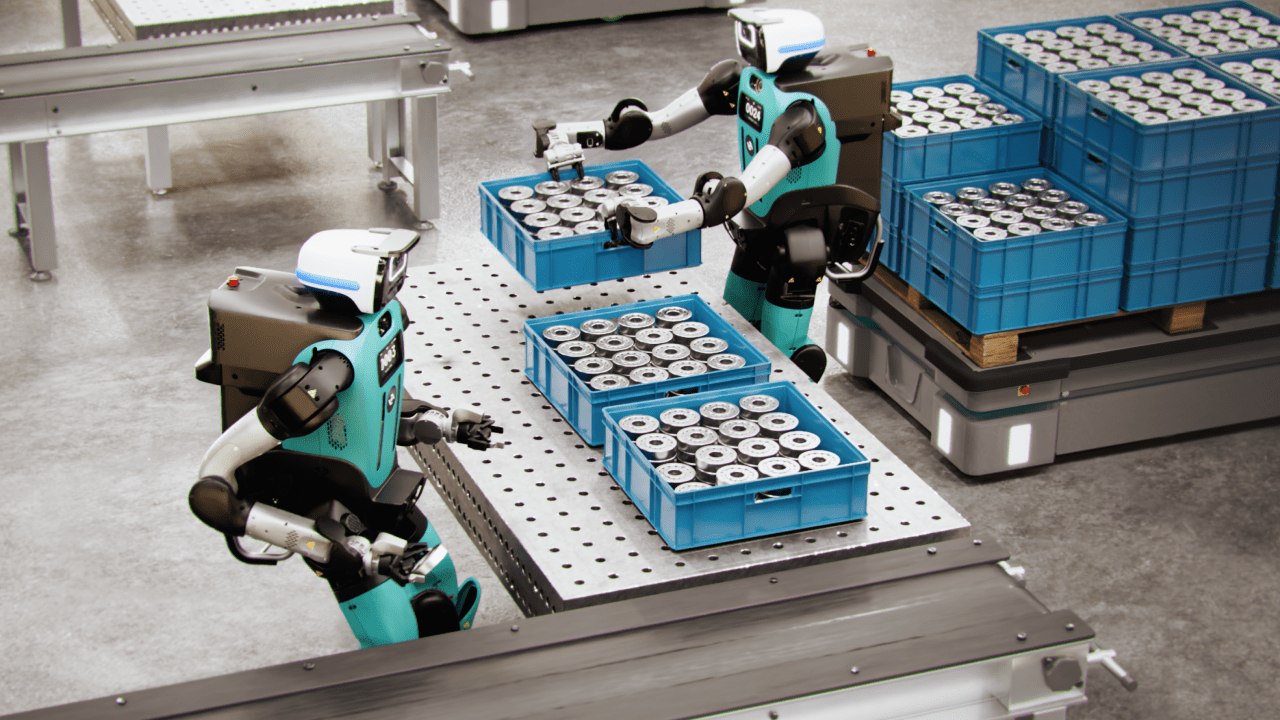
Robot Maker Agility Debuts via SPAC Amid Steep Losses, Raising Investor Concerns
TREE NEWS reports: Agility, a maker of humanoid robots, began trading on public markets today following its merger with a special purpose acquisition company (SPAC). The company is touting a “first-mover advantage” in the emerging robotics sector, but its financial statements reveal substantial losses that are raising red flags for potential investors.
The SPAC route allows Agility to bypass the traditional initial public offering process, which typically involves stricter scrutiny and underwriting. While this can be faster, it also means less regulatory oversight and greater reliance on projections rather than historical performance.
Market Implications
The debut of Agility comes at a time when investor appetite for robotics and automation is growing, driven by advances in artificial intelligence and labor shortages. However, the company’s steep losses may temper enthusiasm. In its filings, Agility reported significant cash burn and no clear path to profitability in the near term. This could weigh on its stock price and potentially dampen sentiment for other robotics startups considering public listings.
For the broader market, Agility’s performance will be a bellwether for SPAC mergers in the tech sector. If the stock struggles, it could further tarnish the SPAC market, which has already seen a wave of disappointing debuts and regulatory scrutiny. Conversely, a strong showing might revive interest in SPACs as a viable path for high-growth companies.
In the bond market, the impact is likely minimal, as Agility is a small-cap company with limited influence on overall interest rates. However, if the IPO signals a broader trend of risk appetite for speculative tech, it could indirectly affect credit spreads for high-yield issuers.
Cryptocurrency markets are unlikely to be directly affected, but the underlying theme of automation and AI could bolster tokens related to robotics or decentralized manufacturing, albeit indirectly. Commodities, such as metals used in robotics (e.g., copper, aluminum), might see slight demand shifts if Agility’s success spurs more robot production, but the effect is negligible in the short term.
Currency markets will largely ignore this event, as it is company-specific and does not alter macroeconomic fundamentals.
Key Takeaways for Investors
- High Risk, High Reward: Agility’s early-stage status and large losses mean it is a speculative investment. Investors should be prepared for volatility and potential dilution.
- SPAC Scrutiny: The performance of Agility will be closely watched as a test case for SPAC mergers in the robotics and AI space.
- Sector Sentiment: A poor debut could hurt fundraising prospects for other robotics startups and dampen enthusiasm for automation-themed investments.
- Long-Term Potential: Despite current losses, the robotics sector has strong long-term growth prospects, and Agility’s first-mover advantage could pay off if it can scale and reduce costs.
Investors should carefully review Agility’s financials, including cash reserves and burn rate, before making any decisions. The company’s ability to secure additional funding and achieve milestones will be critical in the coming quarters.