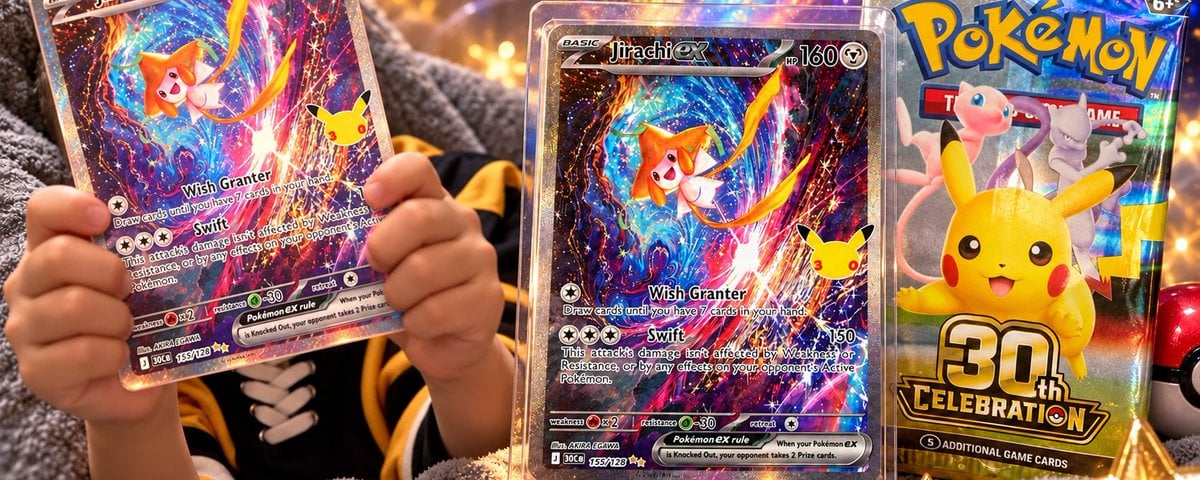
Tokenized Trading Cards: The New Speculative Frontier
Pokémon cards are being tokenized and traded on-chain at a pace that rivals the most liquid crypto assets. A single card can change hands eight times a month, with custodial warehouses eliminating the logistics and wear-and-tear that traditionally slow physical trading. The model—randomized card packs paired with buyback mechanisms—can amplify transaction volume by a hundredfold, turning a childhood hobby into a high-frequency trading venue.
How the Model Works
The infrastructure is straightforward: physical cards are stored in secure vaults, each card is minted as a digital token, and trading occurs on blockchain-based marketplaces. This reduces friction dramatically—no shipping, no authentication delays, no risk of damage. The result is a dramatic increase in “turnover rate” (翻台率), a metric borrowed from the restaurant industry that measures how often an asset changes hands. On-chain TCG markets are achieving turnover rates that physical card shops could never dream of.
Randomized card packs add a gambling-like appeal, while buyback guarantees provide a floor price, encouraging repeated participation. This combination has created a self-reinforcing cycle of speculation and liquidity.
Price Discovery and Market Implications
Tokenization enables real-time price discovery for collectibles that were previously illiquid. A card that once sat in a shoebox for decades can now be priced continuously by market demand. This attracts arbitrageurs, collectors, and crypto natives seeking yield. However, it also raises concerns about bubble dynamics: when the same asset trades eight times a month, prices can detach from fundamental collector value.
The model also introduces counterparty risk—custodial warehouses must be trusted—and regulatory uncertainty, as tokenized collectibles may be deemed securities in some jurisdictions. Yet for now, the market is booming, with platforms reporting record volumes and new users flocking to the space.
Forward-Looking Perspective
The sustainability of this business hinges on whether it can maintain trust in custody, avoid regulatory crackdowns, and keep the speculative fever alive. If successful, it could pave the way for tokenizing other collectibles—from sneakers to wine to art—creating a new asset class that blends nostalgia with blockchain efficiency. For a generation priced out of traditional investments, tokenized Pokémon cards may indeed be the closest thing to a get-rich-quick opportunity—but also a reminder that high turnover often comes with high risk.