The Robot Data Gold Rush Matures
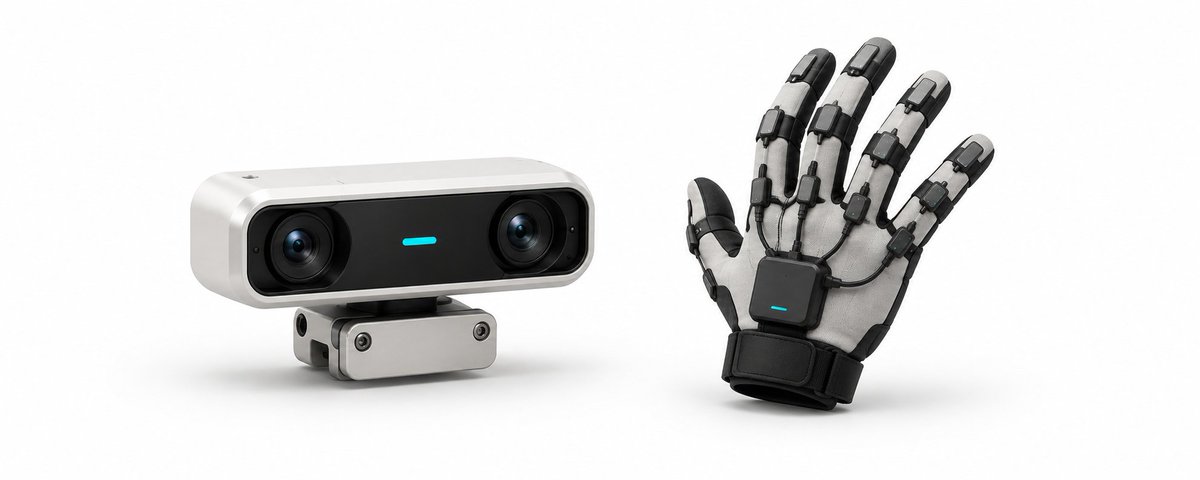
After 46 days, 180 meetings, and a review of 47 data-production outfits, one industry insider has a stark message for anyone building in robot learning: the data you think is valuable is already a commodity. Monocular first-person video—once the darling of embodied AI datasets—is now traded like pork bellies. Stereo vision has become the new baseline, and tactile data, while commanding prices up to $120 per hour, remains a boutique business thanks to expensive hardware and scaling headaches. The real barriers to entry, the insider concludes, are specialized hardware and customer relationships—not data volume.
What Labs Are Actually Buying
The shift reflects a broader maturation in robotics and embodied AI. As foundation models for robotics move from research curiosities to commercial deployments, the demand for high-fidelity, multimodal training data has exploded. But not all data is created equal. Monocular RGB video, easily captured with a smartphone or cheap camera rig, has flooded the market. Labs now treat it as a baseline input—necessary but not differentiating. Stereo vision, which provides depth perception critical for manipulation and navigation, is in short supply. The hardware required to capture synchronized stereo pairs at scale is more complex, and the calibration overhead is non-trivial. Tactile sensing, meanwhile, offers the richest signal for dexterous manipulation but demands specialized sensor arrays that cost thousands per fingertip and are prone to wear and tear.
The Economics of Robot Data
The pricing dynamics tell the story. Monocular video datasets are priced per hour at rates that barely cover collection costs. Stereo data commands a premium, and tactile data can fetch up to $120 per hour—but the total addressable market is limited by the number of labs willing to pay for such niche, hardware-intensive collection. Scaling tactile data requires either cheaper sensors or innovative collection methods, neither of which is imminent. This creates a barbell market: high-volume, low-margin commodity data on one end, and low-volume, high-margin specialty data on the other.
Implications for the Ecosystem
For crypto and AI intersection projects, the message is clear: data marketplaces that simply aggregate video won’t cut it. The value is in curation, provenance, and access to scarce modalities. Projects building decentralized data networks for robotics should focus on verifying stereo and tactile data quality, and on creating incentives for hardware owners to contribute. Tokenization of data assets could help, but only if the underlying data is genuinely scarce. Customer relationships—knowing which labs need what—may prove more valuable than any on-chain mechanism.
Where the Next Wave Breaks
Looking ahead, the insider’s findings suggest three frontiers: specialized hardware for tactile sensing that can be manufactured at scale; synthetic data generation that can augment scarce real-world modalities; and data-efficient learning algorithms that reduce reliance on massive datasets. For investors and builders, the takeaway is to avoid the commodity trap. The robot data market of 2027 will reward those who control the bottlenecks—hardware and relationships—not those who simply aggregate pixels.