Bond Yields Surge Most Since 2022 as Warsh’s Quiet Fed Stirs Rate-Hike Bets
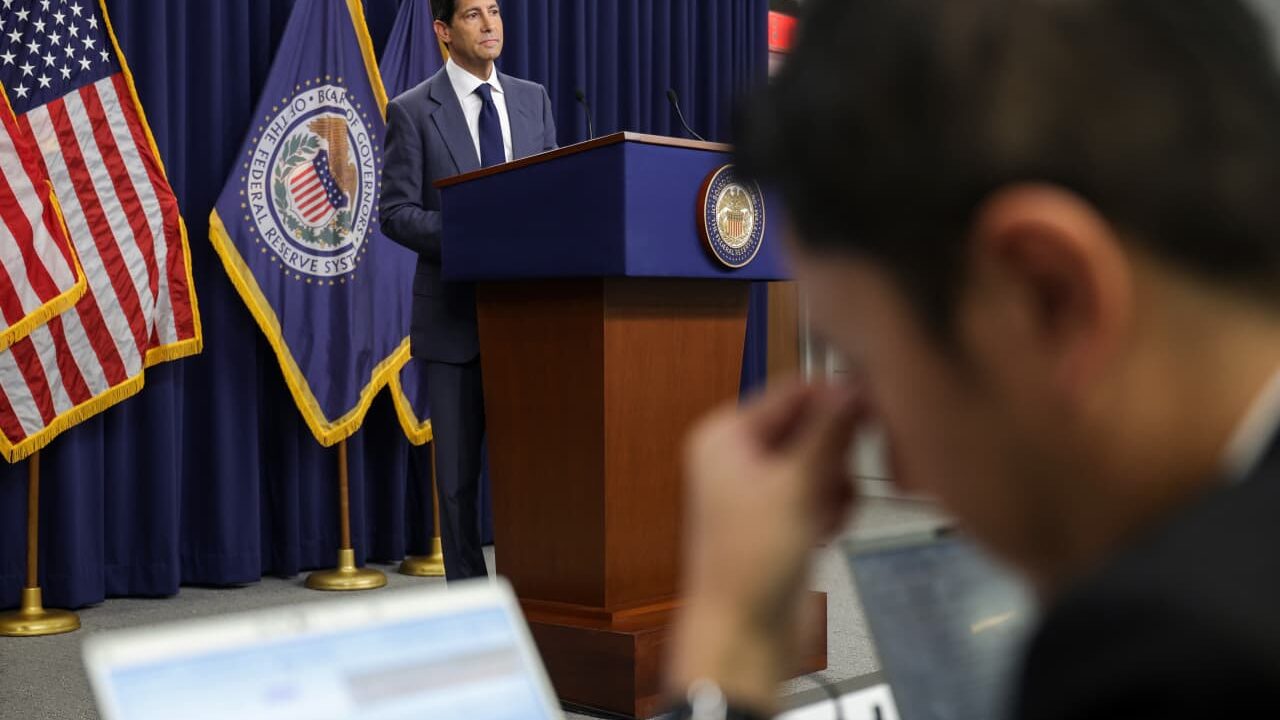
TREE NEWS reports: Treasury yields just logged their biggest weekly jump since 2022, as investors scrambled to price in a higher-for-longer interest-rate path under Federal Reserve Chair Kevin Warsh. The yield on the 10-year Treasury note climbed roughly 30 basis points over the week, while the 2-year yield — the maturity most sensitive to Fed policy — rose even more sharply. The move came not from a single hawkish speech but from a vacuum: Warsh’s low-key, less-is-more communication style has left markets guessing about the Fed’s reaction function, and traders are filling the silence with bets on additional rate hikes.
What Happened
Since taking the helm, Warsh has deliberately scaled back the Fed’s forward guidance, eschewing the press-conference-heavy, dot-plot-driven approach of his predecessors. That shift is now colliding with a string of sticky inflation prints and resilient economic data. With no clear signal from the Chair, bond investors have been forced to hedge against the possibility that the Fed’s next move is up, not down. The result: a violent repricing across the curve, with the 10-year yield pushing toward levels not seen since the central bank’s aggressive tightening cycle.
The volatility was compounded by thin liquidity and a market that had grown accustomed to spoon-fed guidance. “When the Fed stops telling you what it’s going to do, the bond market has to guess — and it guesses ugly,” said one fixed-income strategist. Futures markets now assign a meaningfully higher probability to at least one more hike this year than they did a month ago.
Market Implications
Stocks
Higher yields are a direct headwind for equities, particularly long-duration growth and tech names whose valuations hinge on discounted future cash flows. The Nasdaq is most exposed, while value and financials could outperform as net interest margins improve. Crypto-linked equities such as Coinbase and MicroStrategy tend to trade as high-beta proxies for risk appetite and will likely feel the squeeze.
Bonds
The selloff is a classic repricing of the Fed’s terminal rate. If Warsh continues to withhold guidance, expect continued volatility and a steeper curve, with the belly of the curve most vulnerable. Investors should watch the 2s10s spread for signs of whether the market fears policy error.
Crypto
Bitcoin and major digital assets have become increasingly sensitive to real yields. A rising rate environment tightens global liquidity and pressures speculative assets. A sustained yield surge could cap crypto rallies, though a narrative of “fiscal dominance” and debasement could provide a counterweight if investors question the Fed’s independence.
Commodities
A stronger dollar, typically a byproduct of higher yields, is a headwind for dollar-denominated commodities like gold and oil. Gold may find support from safe-haven demand if rate-hike fears morph into growth fears, but the near-term path is lower.
Currencies
The dollar has strengthened on rate-differential logic. Expect further upside versus low-yielding currencies, particularly the yen, as the Bank of Japan remains accommodative. Emerging-market currencies are vulnerable to capital outflows.
Why It Matters for Investors
The episode exposes a structural shift: the Fed’s communication regime has changed, and markets must adapt. For investors, the key takeaways are:
- Volatility is the new normal. With less guidance, bond and equity markets will react more sharply to data. Position sizing and hedges matter more than ever.
- Duration risk is real. Long-duration assets — from 30-year bonds to unprofitable tech — are most exposed to further yield increases.
- Watch the data, not the Fed. In a guidance-light regime, economic releases become the primary driver of rate expectations.
- Diversify across regimes. The correlation between stocks and bonds has turned positive in inflationary periods; traditional 60/40 portfolios may not offer the protection they once did.
Warsh’s quiet approach may be intended to restore the Fed’s mystique and reduce market dependence on guidance, but the transition is proving costly. Until the market learns to read the new Chair, expect more weeks like this one.