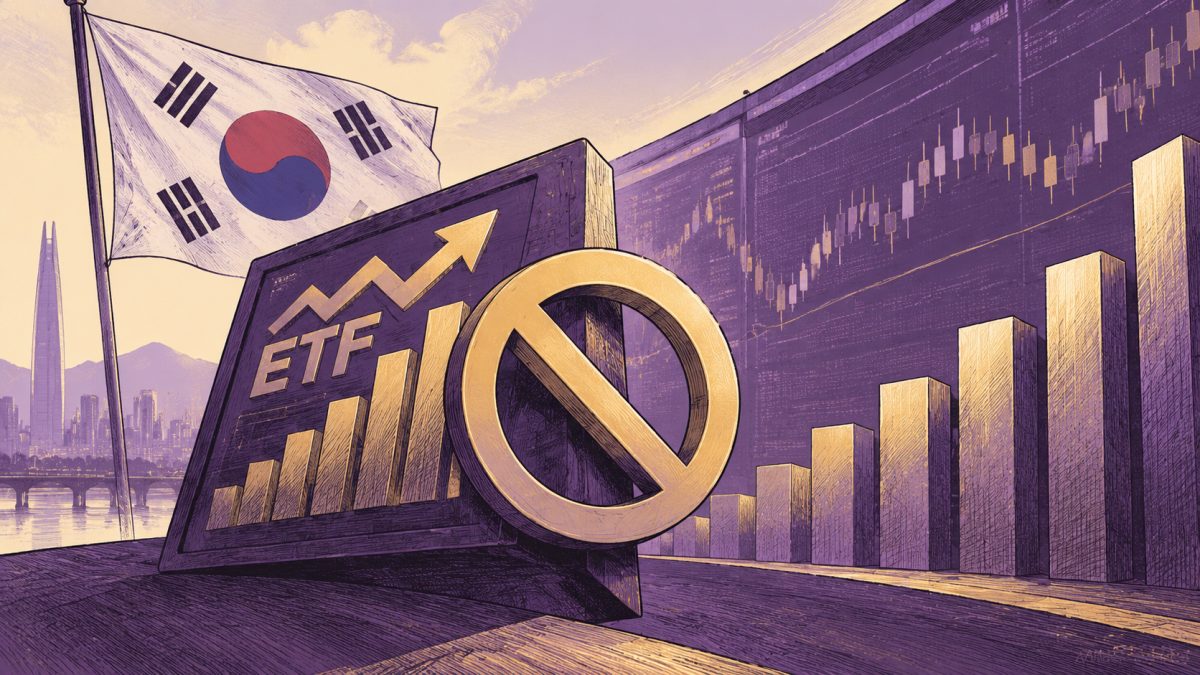
South Korea’s Crackdown on Leveraged ETFs: Forced Simulated Trading Cools the Market
TREE NEWS reports: South Korean regulators have taken unprecedented steps to cool the red-hot leveraged ETF market, including a mandatory five-day simulated trading requirement that has slashed trading volumes by over 90% from their June peak. The measures, aimed at curbing speculative excess in single-stock leveraged ETFs tied to Samsung Electronics and SK Hynix, reflect a broader shift from support to active suppression of these products.
What Happened
Since August 19, investors seeking to trade leveraged ETFs in South Korea must complete a mandatory simulation: download a Windows-only PC program, complete at least one hour of virtual trading daily for five consecutive days, and only then gain trading eligibility. The system provides 1 billion won (approx. $73,000) in virtual funds to demonstrate the risks of leveraged products, particularly ‘volatility decay’—the erosion of returns in choppy markets.
This regulatory hurdle, combined with earlier measures like raising minimum cash requirements to 30 million won (approx. $22,000), has dramatically reduced participation. Bloomberg reports that combined trading volume for single-stock leveraged ETFs tied to Samsung and SK Hynix fell to just 4% of June’s peak in August, with net outflows of approximately $1 billion in August alone. Assets under management have shrunk from $11.4 billion at end-June to $5 billion as of August 27.
Market Impact
The regulatory crackdown has achieved its immediate goal: the Kospi volatility index has dropped from a peak of 97 in late June to around 50, a four-month low. However, the rapid decline in liquidity has created new challenges for existing holders, who face higher exit costs and potential forced holding.
For global markets, the episode underscores the risks of leveraged products in volatile sectors like AI-related tech stocks. The South Korean experience may serve as a cautionary tale for other regulators and investors, highlighting how regulatory intervention can quickly alter market dynamics.
Why It Matters for Investors
- Regulatory risk is real: Even in seemingly open markets, regulators can and will intervene to curb speculative excess. Investors should monitor regulatory developments in any market where they hold leveraged or complex products.
- Liquidity can evaporate: The 90% drop in trading volume demonstrates how quickly liquidity can dry up when rules change, increasing the cost of exiting positions.
- AI trade is cooling: The simultaneous decline in AI-related stock enthusiasm and the regulatory crackdown suggests that the retail-driven AI trade may be losing momentum globally.
- Volatility is not always bad: The reduction in volatility, while stabilizing, also means lower potential returns for short-term traders who thrive on price swings.
As South Korea’s regulators continue to tighten rules, the leveraged ETF market there is likely to remain subdued. For investors elsewhere, the key takeaway is to understand the regulatory environment and liquidity risks before engaging in leveraged products, especially in sectors with high volatility.