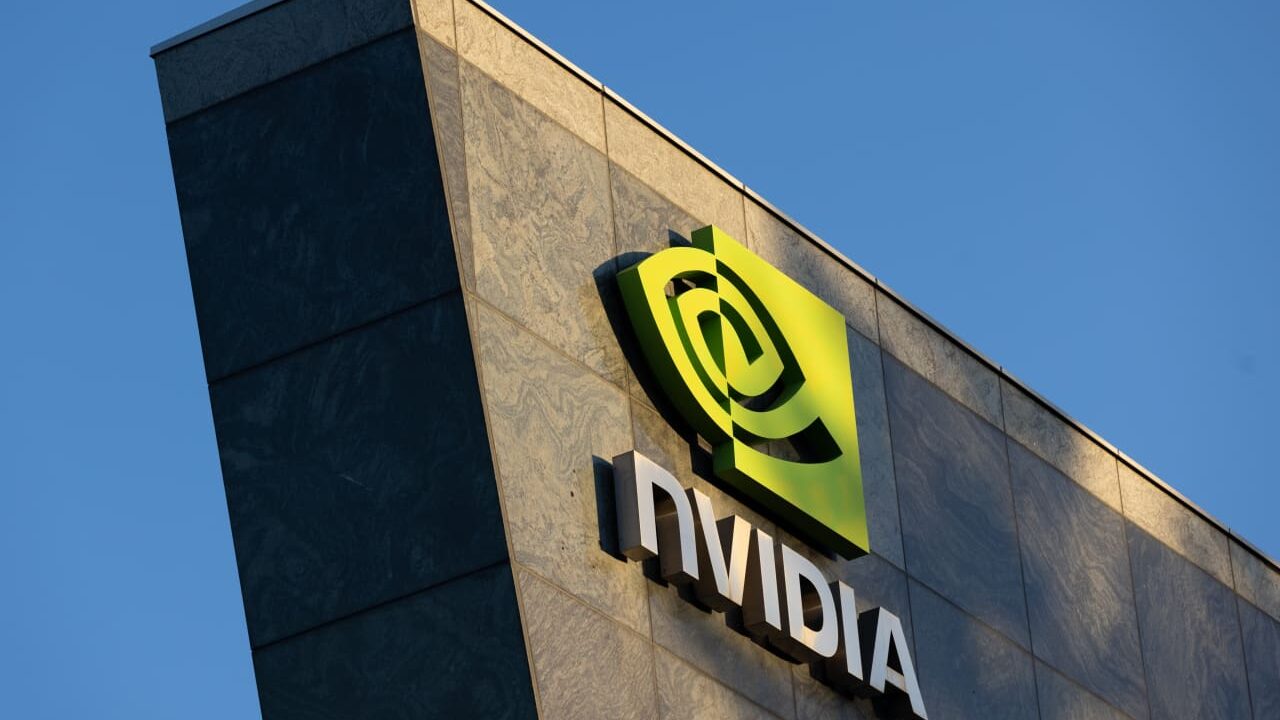
Nvidia’s $573 Billion Wipeout: Six-Week Losing Streak Signals Deeper Market Shift
TREE NEWS reports: Nvidia has erased $573 billion in market capitalization this week, marking its sixth consecutive weekly decline — a losing streak not seen in 14 years. The selloff in the AI chip bellwether accelerated as investors questioned the sustainability of the artificial intelligence boom that has driven the stock to record highs earlier this year.
The decline comes amid a broader rotation out of high-flying technology stocks, with the Nasdaq Composite also under pressure. Nvidia’s shares have now fallen more than 20% from their peak, entering bear market territory, and the company has lost its position as the world’s most valuable company.
What’s Driving the Selloff?
Several factors are converging to pressure Nvidia and the broader semiconductor sector:
- Valuation concerns: After a meteoric rise, Nvidia’s valuation left little room for disappointment. Investors are questioning whether the exponential growth in AI infrastructure spending can continue at the same pace.
- Competition intensifying: Rivals are ramping up their AI chip offerings, and major customers like Microsoft, Amazon, and Google are developing custom silicon to reduce reliance on Nvidia’s GPUs.
- Macro headwinds: Persistent inflation and the prospect of higher-for-longer interest rates are weighing on growth stocks, particularly those with lofty valuations.
- Supply chain and geopolitical risks: Ongoing tensions around Taiwan and export restrictions to China add uncertainty to Nvidia’s revenue outlook.
Market Implications: Beyond Nvidia
The ripple effects are being felt across asset classes:
- Equities: The selloff has dragged down the entire semiconductor index and weighed on the S&P 500. Other AI-related names like AMD, Broadcom, and Super Micro Computer have also seen sharp declines. The rotation into defensive sectors and value stocks suggests investors are repositioning for a potential slowdown in tech leadership.
- Bonds: As investors flee growth stocks, some capital is flowing into Treasuries, though yields remain elevated due to sticky inflation. The 10-year Treasury yield has dipped modestly but stays above 4.5%, reflecting the tension between safe-haven demand and monetary policy expectations.
- Crypto: Digital assets have shown a positive correlation with tech stocks in recent months. A sustained selloff in Nvidia could spill over into crypto markets, particularly AI-themed tokens and mining stocks that have benefited from the AI narrative. Bitcoin has held relatively steady but remains vulnerable to risk-off sentiment.
- Commodities: Industrial metals like copper, which are tied to data center buildouts, could face headwinds if AI capex slows. Meanwhile, gold continues to attract safe-haven bids amid equity volatility.
- Currencies: The dollar has strengthened as investors seek safety, putting pressure on emerging market currencies and commodity-linked currencies like the Australian dollar.
Why This Matters for Investors
Nvidia’s losing streak is more than just a single stock story — it’s a bellwether for the entire AI investment thesis. The company’s GPUs are the backbone of the AI revolution, and its earnings have been a proxy for the health of the tech sector. A sustained decline could signal that the market is reassessing the pace of AI adoption and the returns on massive capital expenditures.
For investors, the key questions are:
- Is this a healthy correction within a long-term uptrend, or the start of a deeper downturn?
- How will AI spending trends evolve in 2025, and which companies are best positioned?
- Should portfolios be rebalanced away from concentrated tech exposure?
While Nvidia’s long-term prospects remain strong given its technological leadership, the recent volatility underscores the risks of crowded trades and the importance of diversification. Investors should watch upcoming earnings reports and guidance from Nvidia and its peers for clues about the durability of the AI boom.
Key Takeaways
- Nvidia’s six-week losing streak and $573 billion market cap loss signal growing skepticism about AI valuations.
- The selloff is rippling across semiconductors, broader tech, and correlated assets like crypto.
- Investors should monitor AI capex trends and consider diversifying away from concentrated tech bets.
- Volatility is likely to persist as the market digests the sustainability of the AI-driven rally.