A Supply Surplus That Doesn’t Reach the Pump
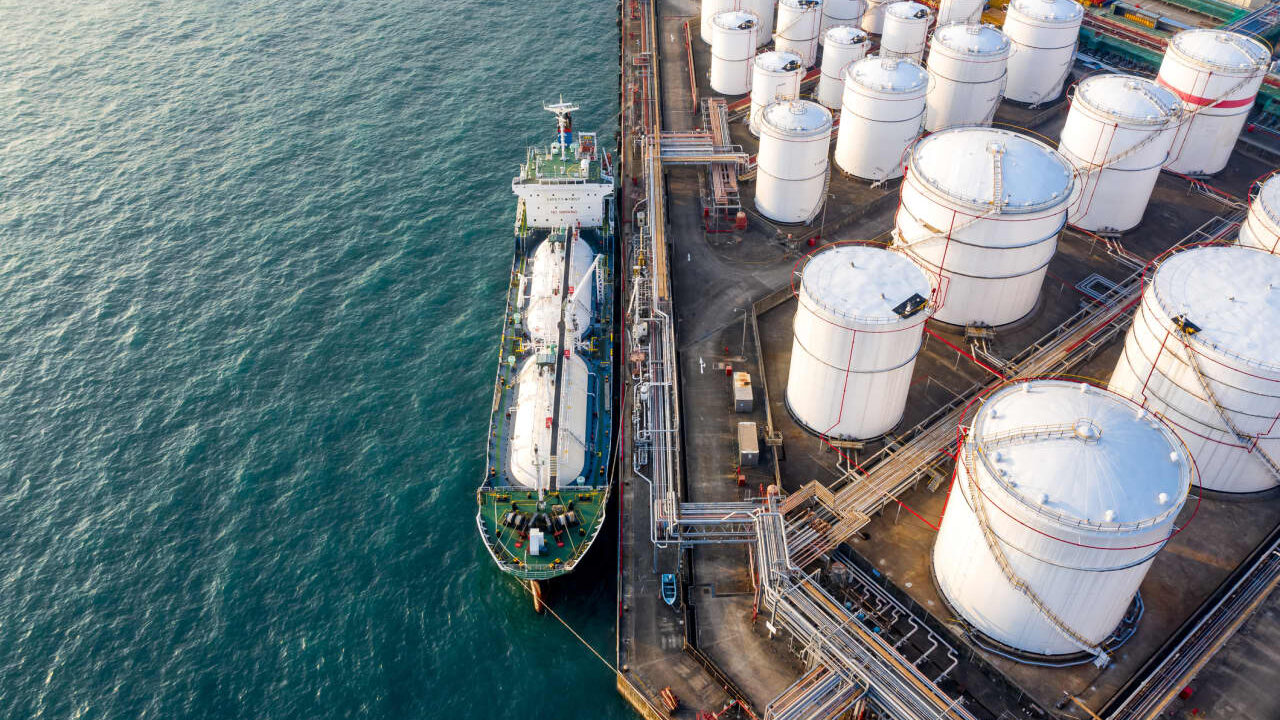
TREE NEWS reports: The global oil market is on the verge of flipping into surplus for the first time since the Iran conflict erupted in February, with supply expected to outstrip demand in the coming months. But a crude glut will not automatically translate into relief at the diesel pump — a disconnect that carries significant implications for inflation, central bank policy, and asset markets across the board.
The divergence stems from the structure of refining and the composition of the surplus. The additional barrels coming online are predominantly light, sweet crude, while diesel production depends heavily on medium and heavy sour grades. Refinery capacity constraints, maintenance schedules, and the multi-year decline in global refining investment mean that even as crude tanks fill, distillate markets remain tight. Diesel cracks — the premium refiners earn on distillate over crude — have stayed elevated, and there is little sign of near-term normalization.
Why the Crude-Diesel Spread Matters
Diesel is the workhorse fuel of the global economy. It powers trucking, freight rail, agriculture, mining, and construction. When diesel stays expensive even as crude falls, the disinflationary impulse that markets typically expect from an oil glut fails to materialize in the real economy. That has three consequences:
- Sticky goods inflation: Transport and logistics costs feed directly into core goods prices, complicating the disinflation narrative that central banks have been counting on.
- Refining margins stay wide: Integrated oil majors and pure-play refiners with distillate-heavy slates could see earnings resilience even as upstream crude prices soften.
- Policy caution: If headline crude falls but core inflation proves stubborn due to diesel, rate-cut expectations may be pushed out, keeping the dollar bid and pressuring rate-sensitive assets.
Cross-Asset Implications
Equities
Energy equities present a barbell. Upstream producers face margin compression as crude prices slide, but refiners and integrated majors with strong distillate exposure may outperform. Transport-heavy sectors — trucking, airlines, railroads, and consumer staples reliant on freight — could see cost relief delayed, weighing on margins. Broader indices may take modest comfort from lower crude, but the diesel lag blunts the tailwind.
Bonds and Rates
The bond market’s reaction hinges on whether the diesel dynamic keeps core inflation elevated. If it does, the front end of the curve may stay higher for longer, steepening pressure could persist, and the case for near-term rate cuts weakens. Conversely, if crude weakness eventually bleeds into distillates, the disinflation trade could reassert itself with force.
Commodities
Crude benchmarks may face downward pressure from the surplus, but the distillate complex — heating oil, gasoil, and diesel futures — could remain structurally supported. This intra-complex spread is where the real trading opportunity lies, and it also signals that the physical market is tighter than headline crude balances suggest.
Crypto
Digital assets remain primarily a liquidity and risk-sentiment trade. A persistent diesel-driven inflation impulse that delays rate cuts would be a headwind for crypto, which has historically benefited from easing expectations and abundant liquidity. Conversely, any resolution of the distillate tightness that revives the disinflation narrative could act as a tailwind.
Currencies
Sticky core inflation and delayed rate cuts typically support the dollar. Oil-exporting currencies with heavy crude exposure may face pressure from lower crude prices, while import-dependent economies could see terms-of-trade improvement — but only if the diesel pass-through materializes.
Key Takeaways for Investors
- Don’t trade the crude headline alone: The crude-diesel spread is the signal. Watch distillate cracks as the truest gauge of physical tightness.
- Position for sticky core inflation: If diesel stays expensive, rate-cut timelines extend, favoring the dollar and pressuring long-duration and rate-sensitive assets.
- Favor refiners over pure upstream: Distillate-heavy refining exposure offers a hedge against crude weakness.
- Watch transport-heavy equities: Airlines, trucking, and freight-dependent consumer names may see delayed cost relief.
- Monitor the disinflation trigger: A genuine collapse in distillate cracks would be the signal that the disinflation trade — bullish bonds and crypto, bearish dollar — can resume in earnest.