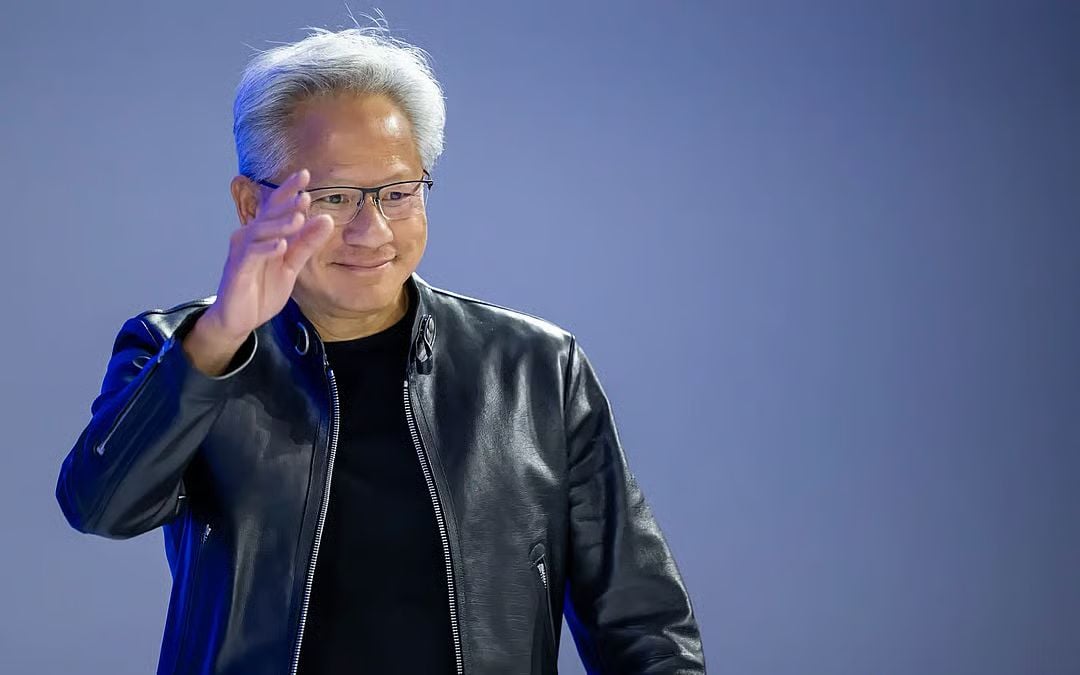
A Grassroots Plea for Nvidia’s CEO
A petition signed by over 10,000 people is calling for Nvidia CEO Jensen Huang to return to China—or at least to re-engage more actively with the Chinese market—sparking debate across the tech and crypto communities. The petition, which has circulated widely on social media, reflects growing anxiety over the decoupling of U.S. and Chinese AI hardware ecosystems. Yet despite the vocal support, industry analysts say the probability of such a return remains low, given geopolitical tensions and export controls.
The Context: AI Compute and Crypto’s GPU Dependence
Nvidia’s GPUs are the backbone of both AI training and crypto mining, as well as decentralized compute networks that power on-chain AI agents. China has been a major market for Nvidia, but U.S. restrictions on advanced chip exports have severely limited sales of high-end GPUs to Chinese firms. The petition highlights the frustration of developers and miners who rely on Nvidia hardware but face supply constraints and rising costs.
For the crypto sector, the stakes are particularly high. Decentralized GPU networks like Render, Akash, and io.net have emerged as alternatives for accessing compute, but they still depend heavily on Nvidia hardware. A return of Jensen Huang to China—symbolically or literally—could ease tensions and potentially open doors for more fluid hardware flows, benefiting both AI and crypto projects.
Why a Return Is Unlikely
Despite the petition’s popularity, several factors make a Huang return improbable:
- Export controls: The U.S. government has imposed strict limits on AI chip exports to China, and Nvidia must comply. Any move that appears to circumvent these rules could trigger regulatory backlash.
- Geopolitical climate: U.S.-China relations remain tense, particularly around technology. A high-profile visit by Huang could be interpreted as a political statement.
- Corporate strategy: Nvidia is diversifying its supply chain and customer base, focusing on U.S. allies and domestic manufacturing. China, while important, is no longer the sole growth driver.
Moreover, Huang himself has not indicated any intention to visit China in the near term. His public statements have emphasized compliance with export regulations and the importance of U.S. leadership in AI.
Implications for the Crypto AI Narrative
The petition underscores the growing demand for compute and the frustration of developers caught in the crossfire of great-power competition. For crypto projects building decentralized AI infrastructure, the episode is a reminder that hardware access remains a critical bottleneck. It also highlights the potential for blockchain-based solutions to aggregate idle GPU capacity—though these networks are not yet a full substitute for Nvidia’s latest chips.
Investors in AI-themed crypto tokens should watch for any signs of easing export restrictions or shifts in Nvidia’s China strategy. While a Huang return is unlikely, even a modest thaw could boost sentiment for decentralized compute tokens.
Forward Look
The petition is unlikely to change policy, but it signals a grassroots desire for continued technological exchange. As AI and crypto converge, the hardware layer will remain a geopolitical flashpoint. For now, the crypto industry must continue to innovate around constraints, building resilient compute networks that can thrive even in a fragmented world.