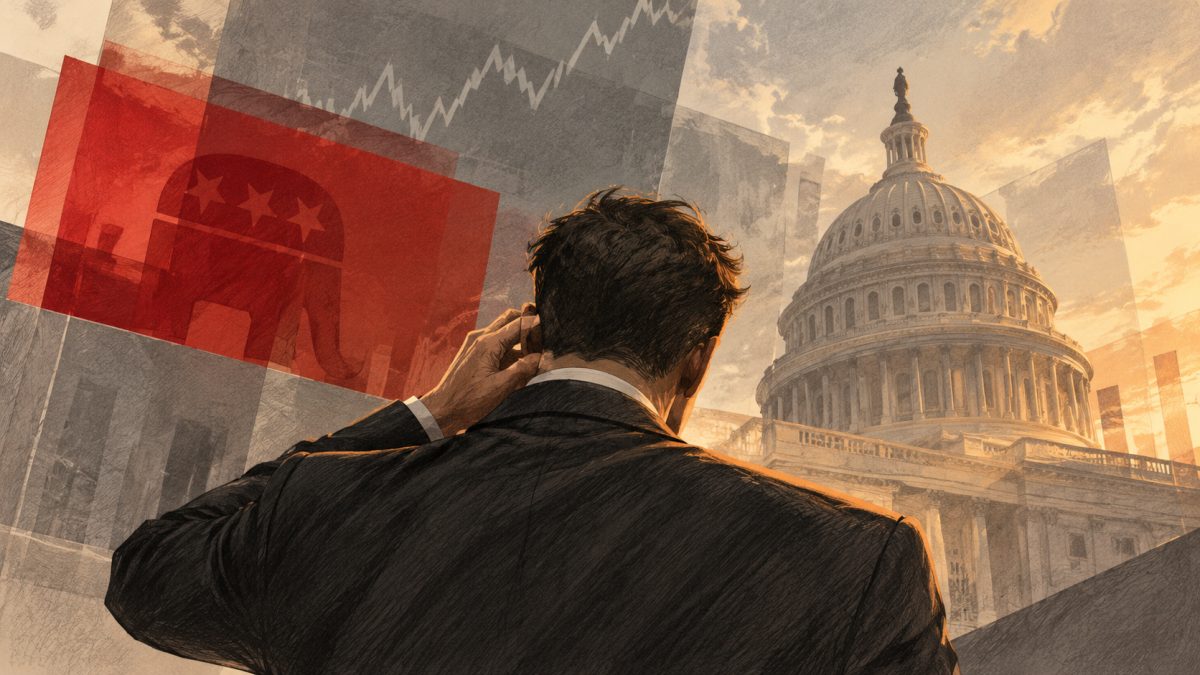
Musk Questions Political Spending After Midterm Defeat
TREE NEWS reports: Elon Musk, speaking remotely at the New York Times DealBook Summit on November 19, expressed regret over his substantial financial backing of Republican candidates in the U.S. midterm elections, describing the outcome as a poor return on investment. “I’m not MAGA. I’m not sure what MAGA means, but if it means blindly following a set of Republican policies, then I’m definitely not,” Musk said, adding that both parties have strengths and weaknesses.
Musk revealed that he spent at least $445 million supporting Republican candidates, with total spending reportedly nearing $500 million. Despite this, Democrats secured control of both the Senate and the House. “The Republicans were crushed. I spent so much money and didn’t see much effect—it feels pretty foolish. If I could go back, I’d spend less,” he stated. He noted that the result demonstrates U.S. elections are not solely about money, and that his original goal was to help Republicans maintain 51 Senate seats.
Implications for Crypto and Markets
Musk’s remarks carry significant weight for cryptocurrency and traditional markets, given his outsized influence on sentiment through his ownership of X (formerly Twitter) and Tesla. His admission of political misjudgment could signal a shift in how major tech figures approach political spending, potentially reducing the flow of corporate money into campaigns. For the crypto industry, which has increasingly engaged in lobbying and political contributions to advance favorable regulation, Musk’s experience may serve as a cautionary tale about the effectiveness of such expenditures.
Furthermore, Musk’s comment that elections are “not just about money” underscores the complexity of voter behavior and the limits of financial influence. This could prompt crypto advocacy groups to reassess their strategies, focusing more on grassroots education and policy engagement rather than large-scale donations. The midterm results, with Democrats in control, may also impact the legislative agenda for digital assets, though bipartisan support for crypto regulation has been growing.
Forward-Looking Perspective
Looking ahead, Musk’s reduced political spending could alter the landscape of campaign finance, particularly in tech and crypto sectors. As the 2024 presidential election approaches, stakeholders will watch whether other industry leaders follow suit or continue to invest heavily. For crypto, the balance of power in Congress will shape key issues such as stablecoin regulation, tax reporting, and the classification of digital assets. Musk’s reflection may also influence his own advocacy on platforms like X, where he frequently discusses crypto and meme coins. Ultimately, the episode highlights the unpredictable nature of political returns and the need for strategic, rather than purely financial, engagement in policy debates.