TREE NEWS reports: When an Agent completes an operation, how do we judge that the work is truly done? And when a skill can be repeatedly invoked, how does it become a capability worth accumulating over the long term?
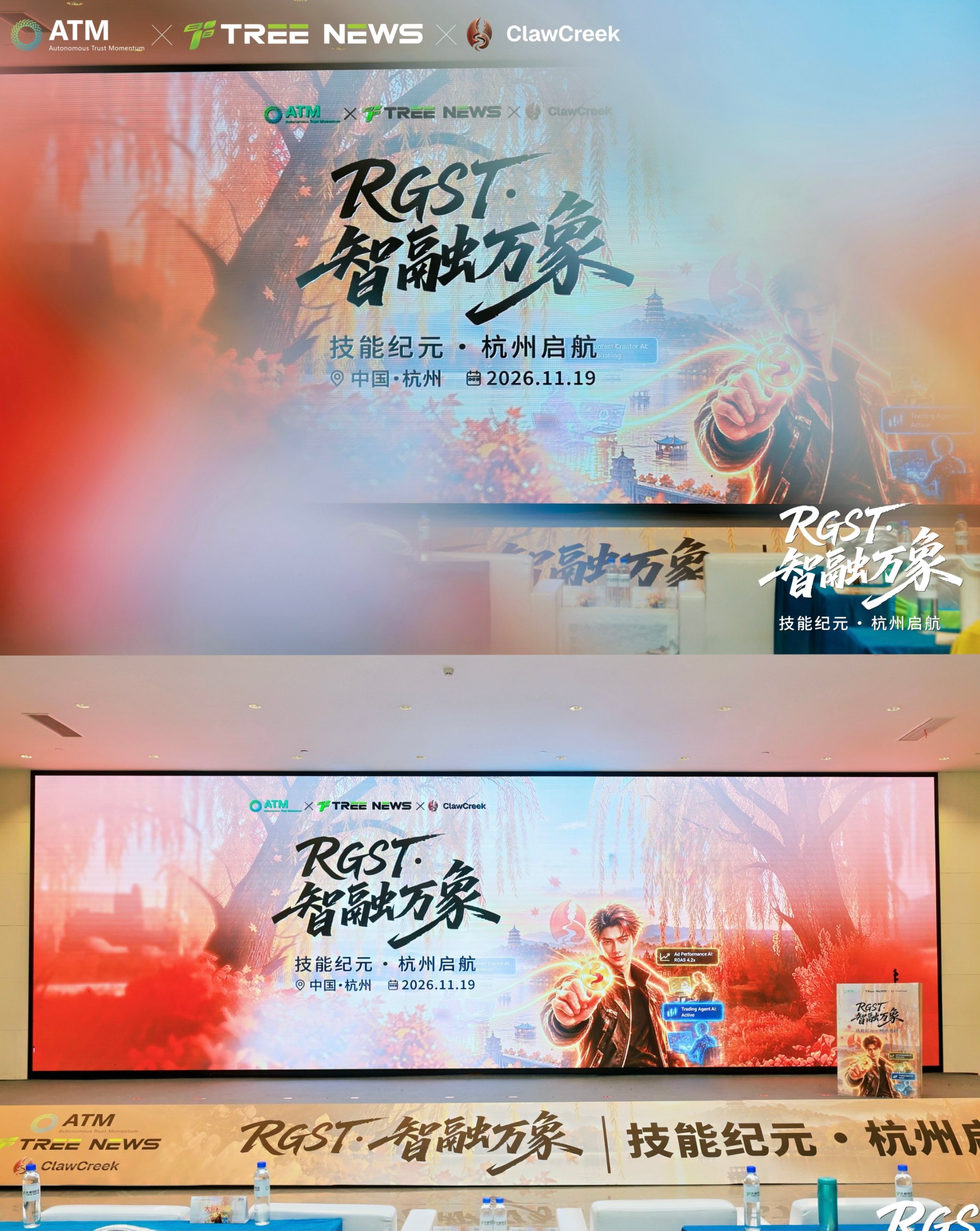
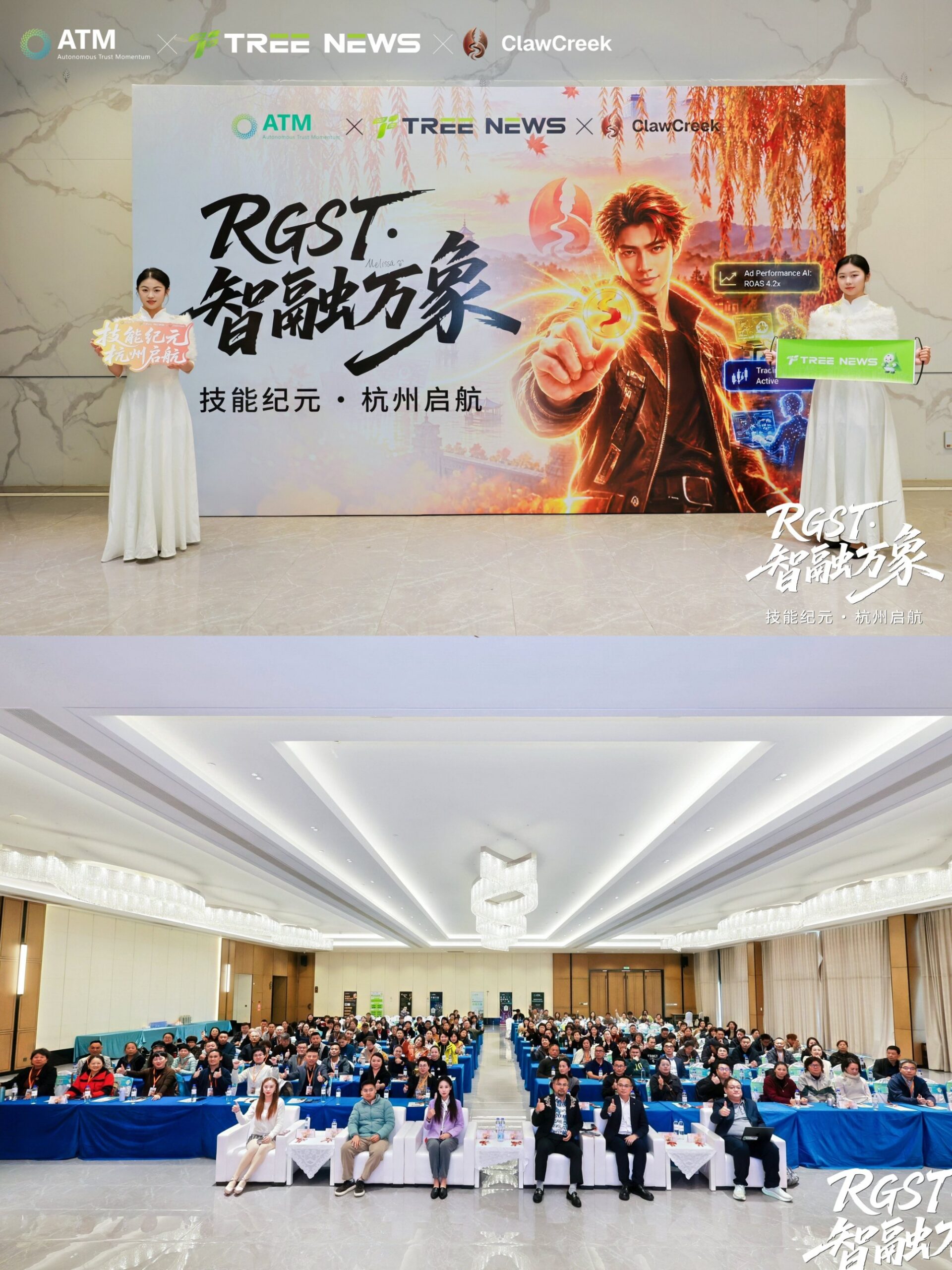
On November 19, the Hangzhou station of “RGST · Smart Fusion of All Things | Skill Era · Hangzhou Set Sail” brought together discussions around AI Agents, ecosystem applications, and skill value. SEEK, Dr. Ding, and the sharing materials from Kevin, Melissa, and Mike took the discussion to different levels: what conditions are needed for agents to participate in business, how work results are accepted, how ecosystem applications are observed, and how skills connect with real needs.
Running through these contents is a concrete question: when AI moves from answering questions to executing tasks, how should its value be confirmed?
An introduction can indicate direction, and a demonstration can present capabilities; to further enter daily work, permissions, delivery, verification, and continuous use need to be placed in the same discussion.
SEEK: For Agents to Participate in Economic Activities, Identity and Responsibility Need to Be Clarified
SEEK’s sharing, titled “From Tools to Economic Entities: How AI Agents Reconstruct Web3 Transactions, Collaboration, and Value Distribution,” unfolded from the changing role of agents in business.
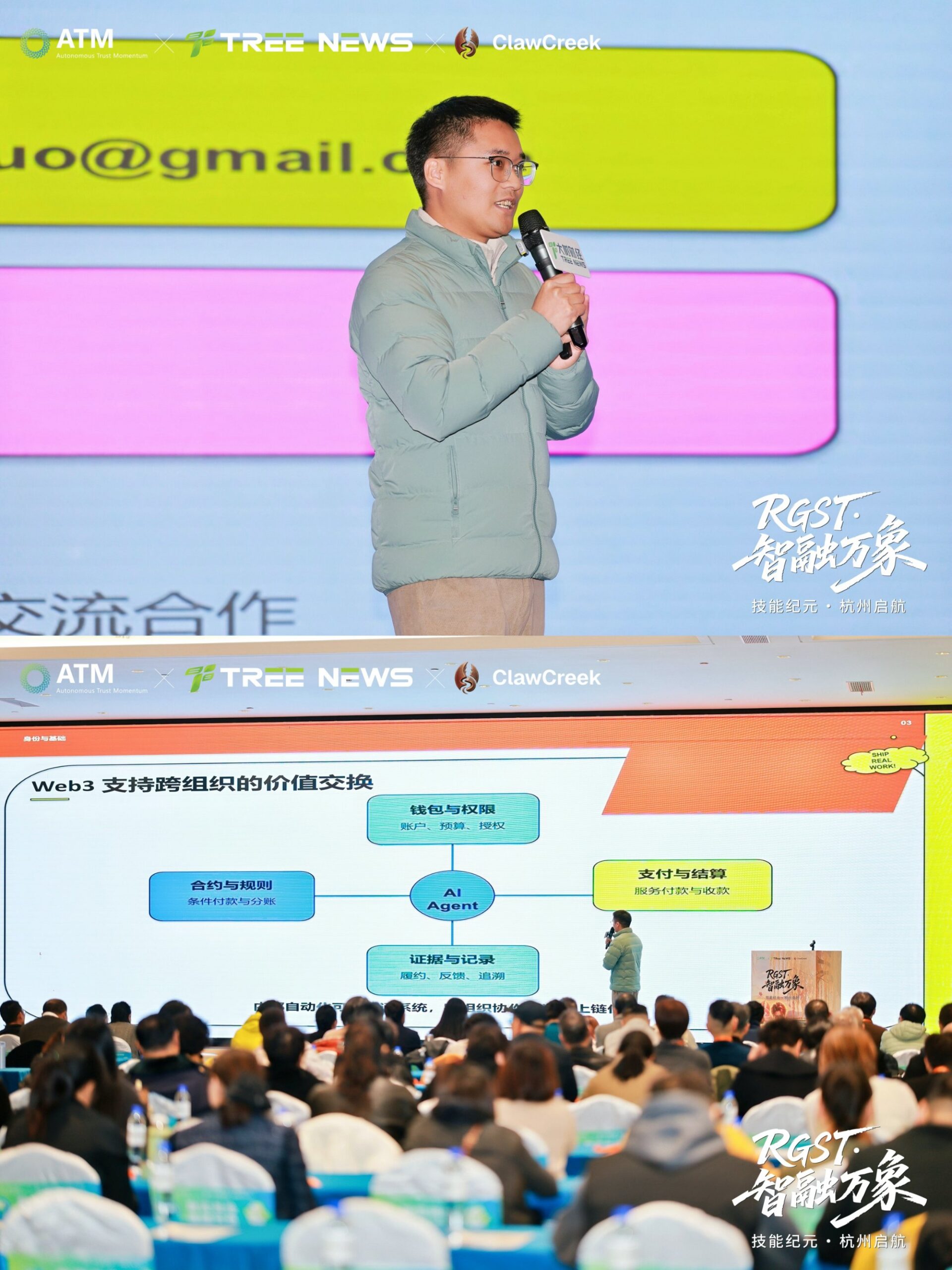
In the materials, an Agent’s economic capabilities are broken down into five agreements: identity, budget, execution, income, and fulfillment. Who it represents, how much it can spend, what it can invoke, to whom it delivers, and how results are traced—each corresponds to a question that needs to be answered when a task enters the economic process.
This decomposition gives the “economic entity” a more specific scope for discussion. What is referred to here is a functional economic participant; permissions and responsibilities still need to be clarified by actual arrangements. The fact that an Agent has execution capabilities does not mean it is granted unlimited authorization by default.
In transaction scenarios, the materials demonstrate the complete process from goals and constraints, quotation paths, strategy verification, to authorized execution, settlement, and result verification. Users propose goals and also need to limit costs, validity periods, and operational scope; after the system provides a plan, it must also judge whether it meets authorization conditions.
One noteworthy design is the separation of the model proposing actions from an independent strategy layer judging whether they can be executed. The model can organize plans, but budgets, invocation scope, signatures, and exception handling require corresponding constraints.
In the collaboration and value distribution section, SEEK further connects service discovery, task agreements, delivery acceptance, and settlement records. Different Agents can assume roles such as research, risk control, execution, or verification, but adding roles does not automatically eliminate errors; key acceptance still needs to consider independence.
From this material, it can be seen that the key for Agents to enter business involves how capabilities match authorization, responsibility, and acceptance.
Income also needs to be understood within this chain. After the customer pays, there are still costs for data, models, subcontracting, execution, rework, and human intervention. Service income, transaction principal, and the final disposable balance need to be accounted for separately.
Dr. Ding: Clarify the Endpoint and Constraints Before Discussing Delegated Execution
Dr. Ding’s “Embodied Constraints: The Underlying Laws of AI Agents” focuses attention on how a piece of work is truly completed.
The material uses a quotation comparison example to illustrate the relationship between information and judgment: one supplier’s quote includes shipping, while another’s is lower but missing shipping. If the missing shipping would change the final choice, then asking the model to continue reasoning cannot replace obtaining this information.
This corresponds to the “Accessibility Law” in the sharing: the information required for a task must have readable data sources, tools, and permissions. Whether the model can access the scene directly affects whether it can make effective judgments.
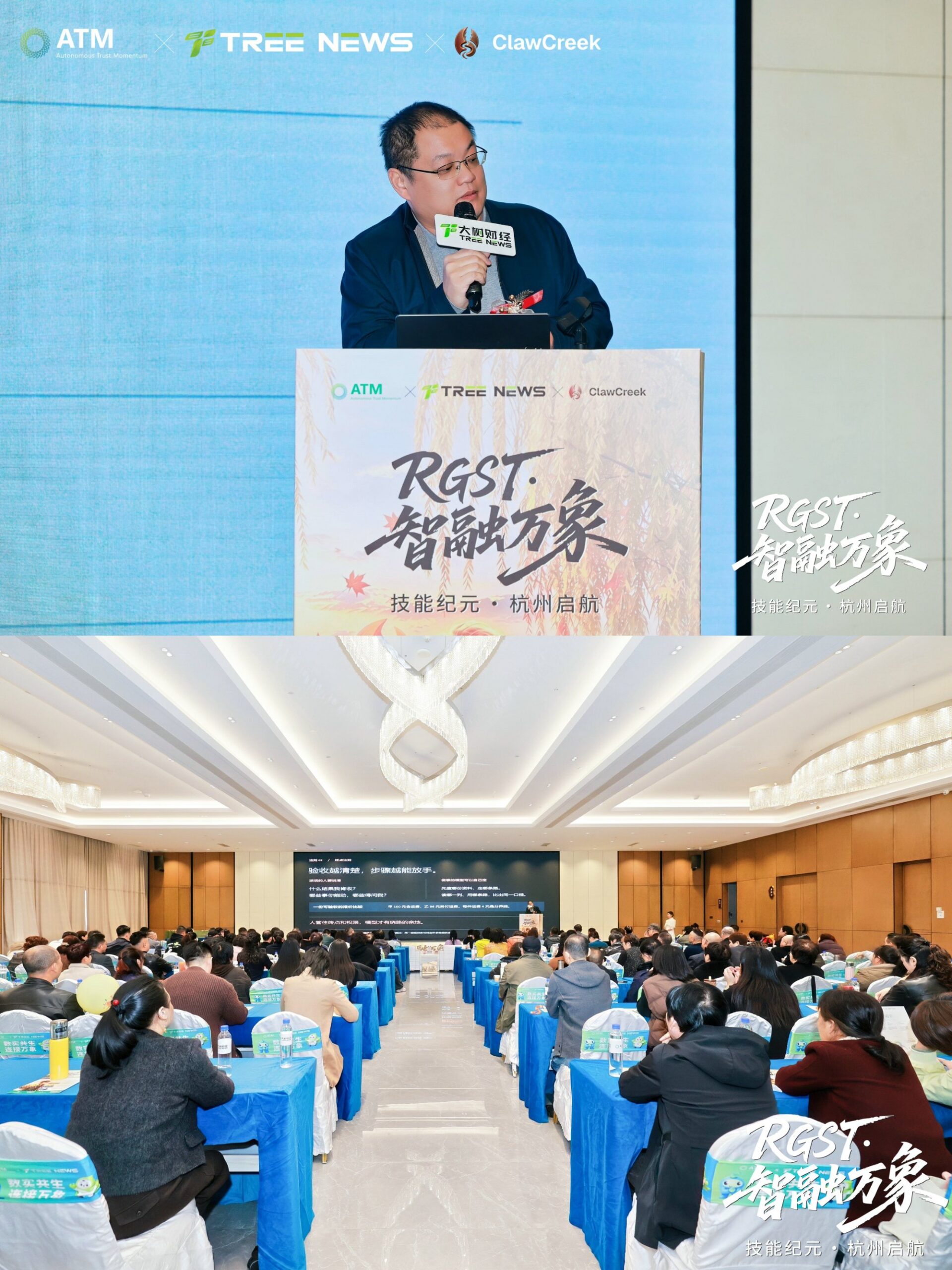
The connected “Endpoint Law” emphasizes that when assigning tasks, it is necessary to specify what results are acceptable, which actions are allowed, and which situations require inquiry. The clearer the acceptance and permissions, the more room there is for adjusting the execution path.
The Agent loop in the material also uses receipts as a key link: observe the current situation, choose an action, read the actual result, and then decide to continue, reroute, ask, or stop. Logs can help with retrospective investigation, but only results can change the next action, and only then does feedback truly enter execution.
This approach also extends to long-term tasks. After a session is interrupted, the new session needs to connect to verified facts, effective operations, and still-missing evidence. The role of progress records is to reduce re-guessing and avoid duplicate execution.
On the question of skill value, Dr. Ding’s “Absence Law” forms a direct connection with this theme: the more the author can be absent, the more the skill resembles an asset.
This statement points to a testable transfer of capability. Whether a method can be understood, executed, and accepted by another user without the original author’s continuous explanation is an important reference for judging the degree of reusability.
At the same time, the material also discusses “depreciation”: after model capabilities upgrade and the operating environment changes, old processes need to be re-evaluated. The parts worth retaining need to continue proving their value through cost, errors, and delivery results on the same tasks.
Kevin and Melissa: From Ecosystem Structure to Actual Usage Records
The fifth-anniversary review material provided by Kevin places ATM’s development on a longer timeline, involving consensus connections, mobile entry points, games, travel, and AI directions.
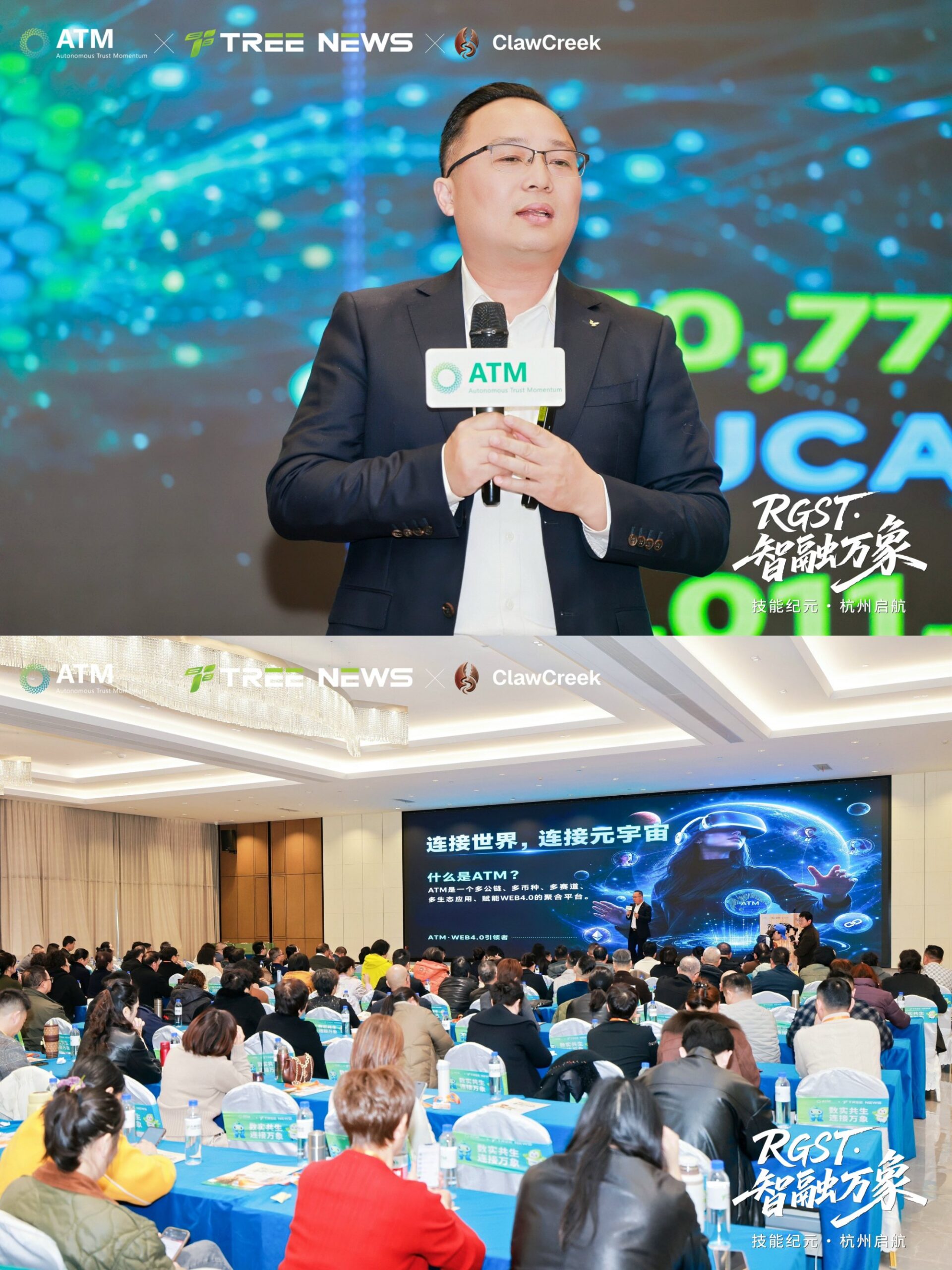
These sections provide different entry points for observing the ecosystem. The connection mechanism focuses on participation relationships, the wallet undertakes the usage entry, travel and games correspond to specific scenarios, and AI-related explorations further direct attention to agent capabilities and skill applications.
In the RGST section, the material links it with ClawCreek, the ATM network, and the existing community foundation, proposing a construction direction for participants to enter the agent skill economy. This is the project team’s explanation of the development path, and subsequent judgments still need to be combined with specific products and usage records.
Melissa’s game material provides another type of reference: product usage that has already occurred.
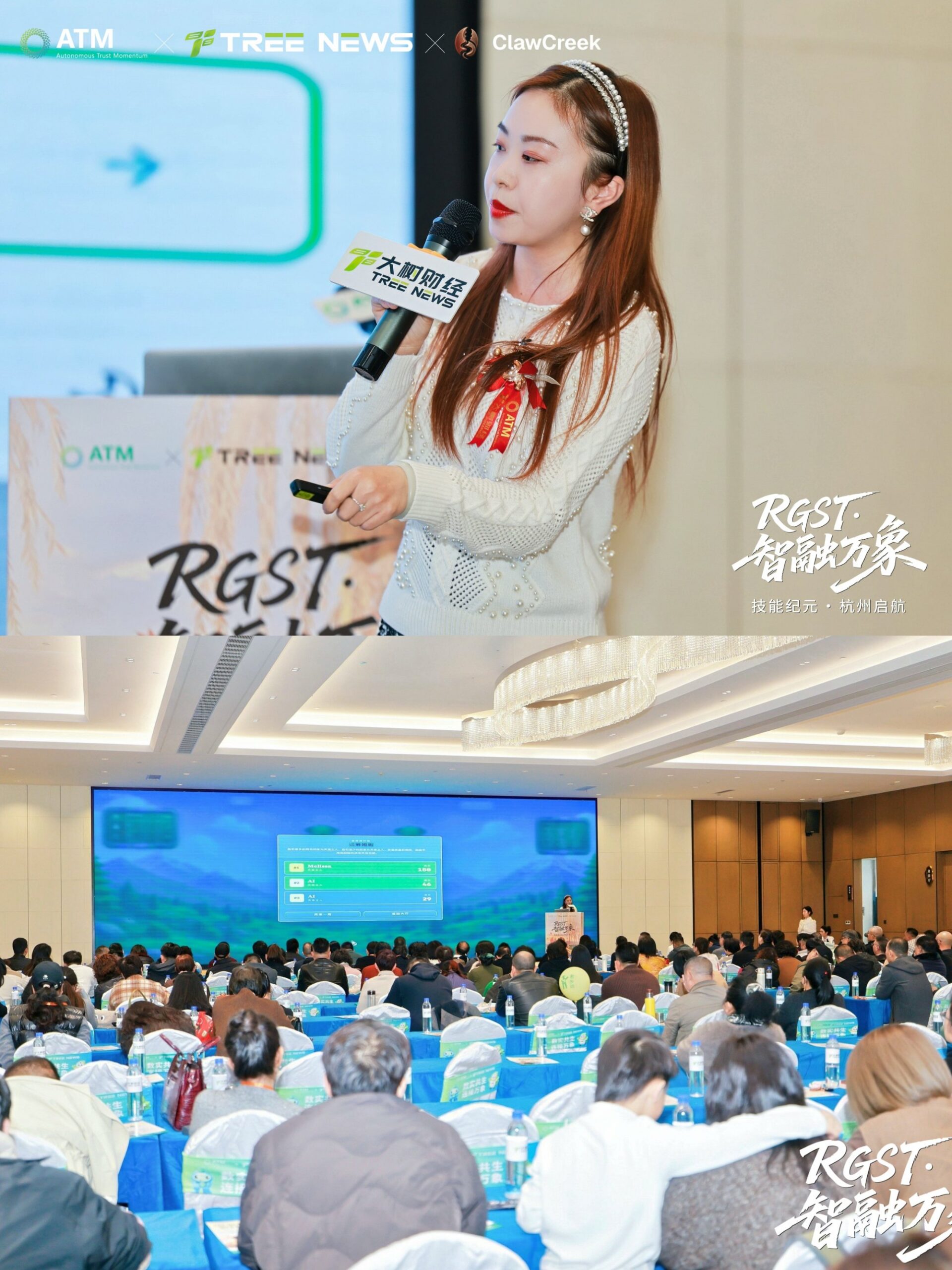
The material shows PRBoost’s player count, bound wallets, recent activity, match count, and related operational records. The data page is marked as of November 16, 2026, listing 1,409 players, 1,119 active in the last seven days, and 1,490 bound wallets.
These numbers have different meanings. Players, active users, bound wallets, and match counts cannot be mixed as the same indicator, nor can participant income be directly inferred from activity records.
The time annotations in the material also need further unification: the previous page’s statistical interval is written to November 15, while the data page is written as of November 16. When citing externally, the statistical scope should be retained, and the specific cutoff time should be verified with the provider.
The value of operational data lies in grounding the discussion in whether the product is used, how it is used, and whether such use can be sustained.
Placing ecosystem introductions and application records together can help participants distinguish content at different stages: which are development directions, which already have operational records, and which still need to be observed in subsequent deliveries.
Mike: Connecting Skills with Needs, Focusing on the Process from Task to Result
Mike’s “RGST · Smart Fusion of All Things” material revolves around “from using AI to owning an Agent” and discusses the role of skills through different scenarios.
Among them, the e-book creation case breaks down the process more concretely: from proposing goals and selecting topics, to manual decisions on book title, pen name, and cover, to writing, editing, verification, and finished product preparation. The material then extends to listing, settlement, and refund processing, attempting to present the complete path of a content task from production to commercial delivery.
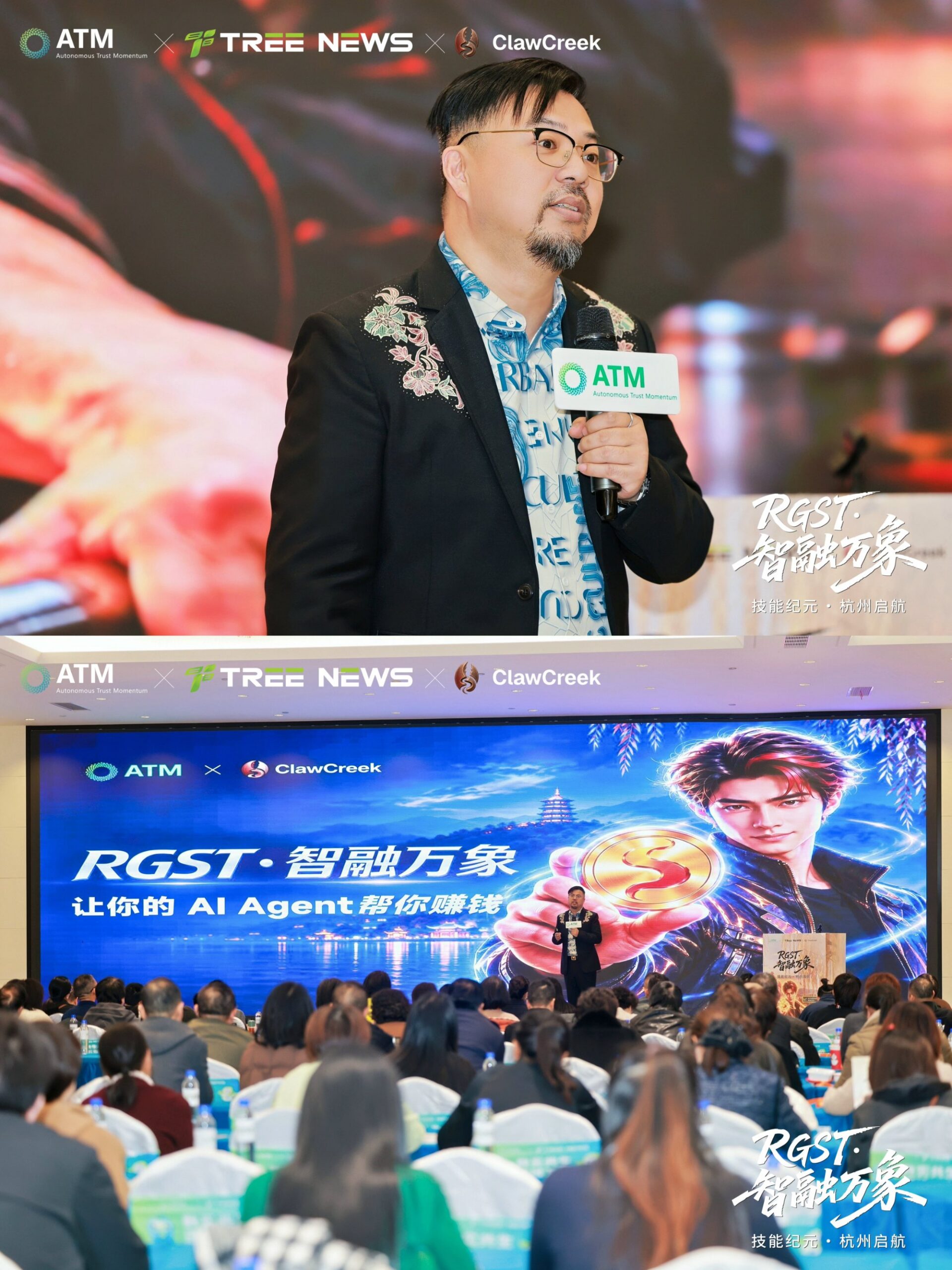
These cases need to be read together with their qualifying conditions. The e-book-related conversations and settlement information include pre-release environment drills; some query functions are noted in the material as not yet launched. The transaction cases are explicitly marked as illustrative replays, not real transaction records.
Therefore, these contents are suitable for understanding design ideas and task chains, and cannot be directly summarized as user results that have been universally achieved.
Closer to daily work than individual cases is the material’s discussion of skills for small and medium-sized enterprises: checking invoices and payment records, summarizing supplier quotations, synchronizing inventory, organizing interview records, and assigning morning meeting to-dos.
These tasks have direct connections to ordinary people’s work experience. Those familiar with the business can provide conditions, processes, and acceptance standards, while technical capabilities attempt to organize them into invocable skills.
For example, a replenishment task requires more than “generating a purchase order.” What inventory level triggers it, whether certain products need to be excluded, and who confirms the purchase order all affect whether the task can truly enter the business.
From this perspective, skill accumulation also includes clearly expressing implicit experience: under what circumstances to execute, under what circumstances to pause, how to judge results, and which decisions continue to be left to humans.
Roundtable Discussion: From Industry Applications to Skill Value and Individual Participation
Beyond the thematic sharing, the roundtable session brought the perspective back to a question relevant to every participant: skills are both tools and assets; in the era of AI economic transformation, what should we do?
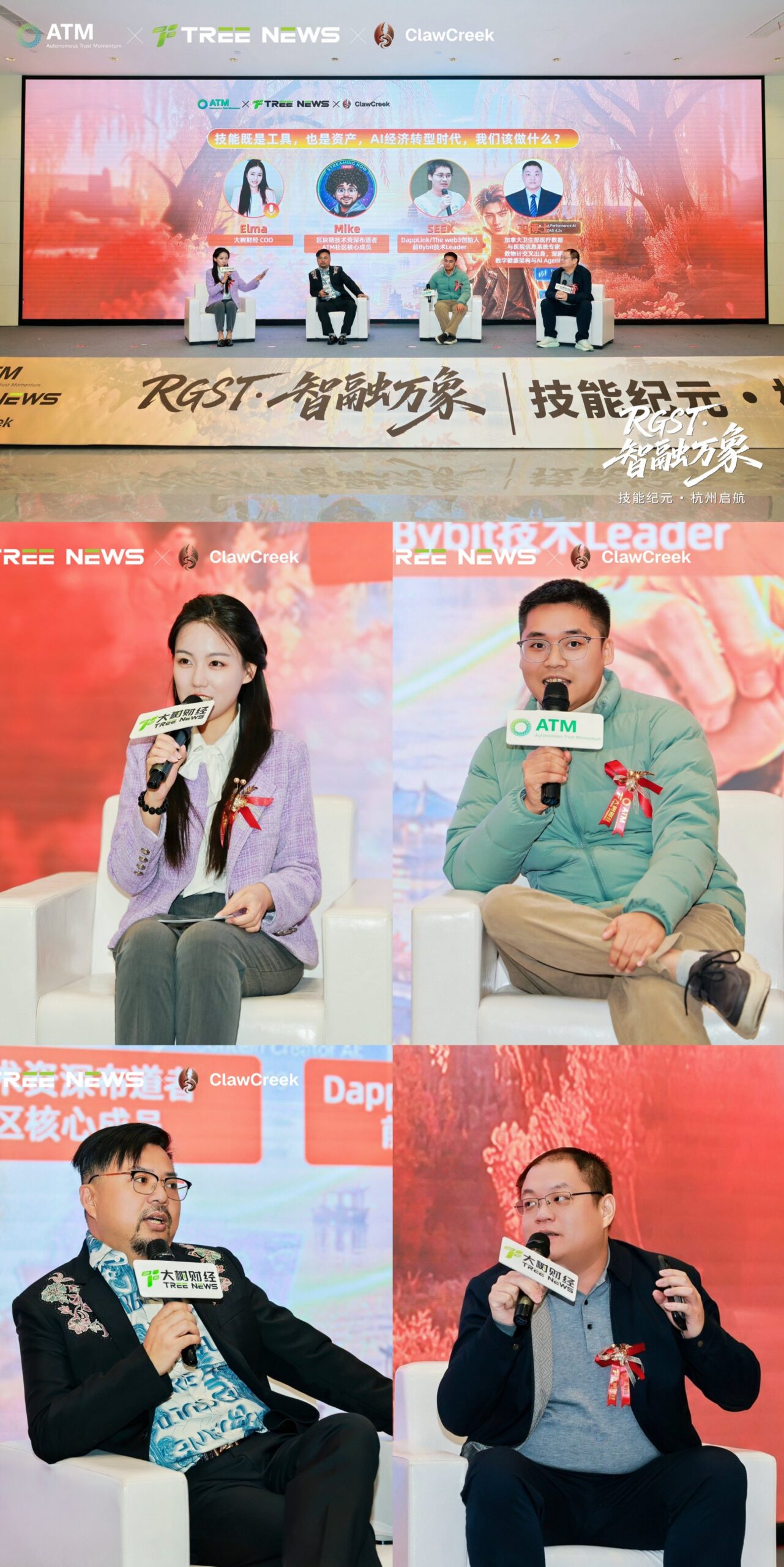
This topic unfolded progressively along four directions: AI applications in the industry, the development and future of Agentic AI, the significance of Agent skills as assets, and the path for ordinary people to participate in AI. The juxtaposition of industry observation and project practice created a more direct connection between technological change and specific needs.
Starting from applications, it is worth asking which work links AI has actually entered, which tasks can already be handed to agents, and which still require human judgment. As Agents begin to undertake longer task chains, the focus also shifts to continuous execution, collaboration, and responsibility: after an operation can be completed, how can subsequent work connect, and how can the final result be confirmed?
The discussion of skills as assets extends the view from single invocations to the long-term accumulation of experience. When a set of methods is organized into a skill, it means the knowledge and judgment within have the opportunity to be reused by more people; whether it can form lasting value still needs to be verified by real needs, delivery quality, and continuous maintenance. This also echoes the questions about authorization, acceptance, and capability transfer in the previous sharings.
Finally, the question returns to ordinary people’s participation. Beyond learning to use new AI tools, one can also start from familiar business areas and clearly organize repeated tasks, error-prone steps, and judgment standards. For users, this is the starting point for improving work; for skill building, these specific experiences are also important sources for discovering needs and testing methods.
Along this line of questioning, the roundtable built connections for the day’s sharing: from seeing what AI is doing, to understanding why Agents are important, to thinking about how experience can be sedimented, and where one can start.
Lucky Draw Interaction Adds a Relaxed Moment to the Afternoon Exchange
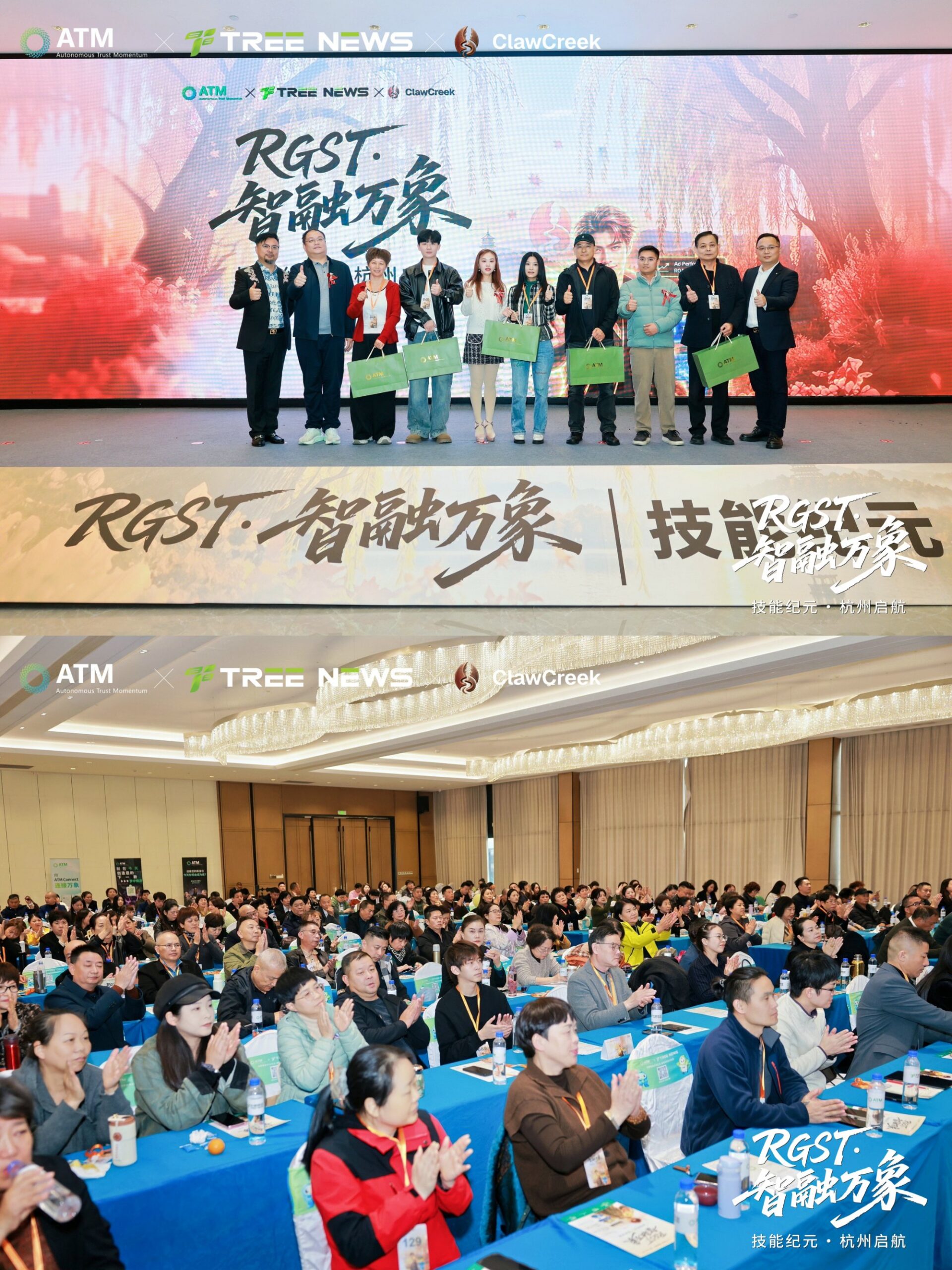
In addition to guest sharing, the event arranged a lucky draw interaction. As the draw results were announced, lucky guests received gifts, leaving a relaxed interlude for the afternoon’s concentrated exchange.
Dinner Gathering: Continuing the Exchange Through Heartfelt Sharing by Community Partners
The dinner was hosted and moderated by Mike. The daytime exchange around technology, products, and skills continued during the meal and community sharing. Compared with the concentrated expression of keynote speeches, the dinner left more relaxed space for community partners to tell their stories, and also gave everyone a chance to hear the real connections between people and the community behind technical topics.
The heartfelt sharing by community partners added warmth to this gathering. The significance of sharing lies not only in supplementing a usage perspective but also in giving the feelings behind each participation a chance to be seriously heard. For a community that continues to communicate, product progress is worth recording, and moments when members are willing to tell and listen to each other are equally worth preserving.
The daytime discussion cared about how capabilities are transformed into delivery, while the dinner brought attention back to the people participating in these explorations. Technology and mechanisms need clear explanations, and understanding, trust, and connection also need to be slowly built through face-to-face exchanges. The emotional expressions of community partners gave “joint participation” a more human meaning.
This emotion does not replace judgments about products and practices, but it reminds us that community accumulation also comes from support between people. Some ask questions, some share experiences, and some seriously listen to another expression; these exchanges give originally dispersed participants a chance to understand each other better and to be clearer about why everyone is willing to continue gathering.
Under Mike’s coordination, the dinner naturally connected community sharing with free exchange. The day’s event also continued in such telling and listening: thoughts about AI and skills remained in the discussion, while feelings about companionship and connection remained in this Hangzhou gathering.
The Value of Skills Needs to Be Continuously Confirmed in the Next Use
Putting these sharing materials together, a gradually concrete thread can be seen.
SEEK discusses the agreements that need to be established when Agents participate in transactions and collaboration; Dr. Ding discusses how tasks are completed under conditions of information, permissions, and feedback; the ecosystem review and game records provide references for construction paths and application usage; and Mike further discusses how capabilities enter specific needs through skills and task scenarios.
Together, these contents point to: after a task can run, it is still necessary to verify whether the next time is reliable, whether another user can connect, and how the costs of maintenance, rework, and human participation are accounted for.
For ordinary people, participation can also start from such a scale. Choose a task you repeatedly handle, record the inputs, judgment conditions, and completion standards, then try it with a small number of real tasks, observing which parts can be handed to AI and which still need to be your responsibility.
The discussion at the Hangzhou station’s “Skill Era” thus lands on a concrete way of accumulation: let experience be expressed, let methods undergo use, and let feedback drive continued improvement of capabilities.
From previous university and city exchanges, to Jeju Island, and back to Hangzhou, the content thread of Tree News and ATM-related activities also continues to unfold with practice. New introductions propose new directions, actual use provides new questions, and valuable exchange requires the two to continue meeting.
Whether a skill is worth keeping ultimately still comes back to real tasks: will others use it again, can the results be accepted, and can people other than the original author still do the job well.