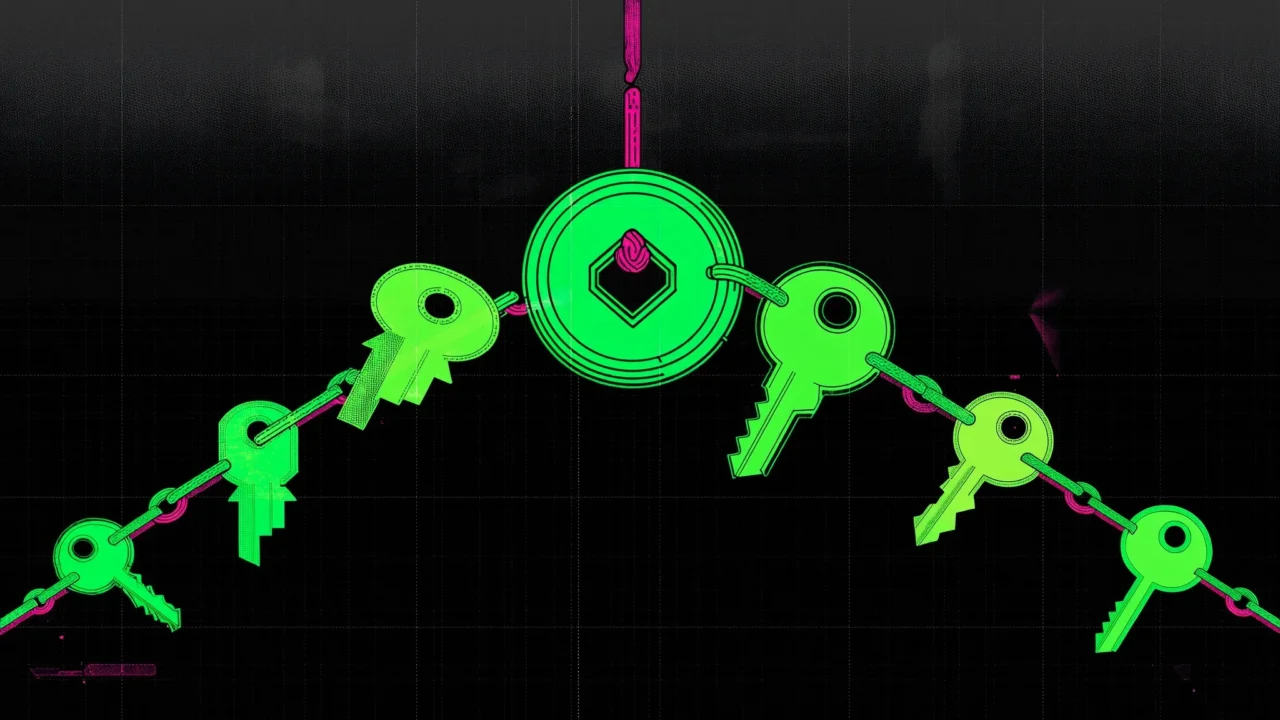
Tempo’s Native Multisig Goes Live on Testnet, Mainnet Set for Dec. 8
TREE NEWS reports: Tempo has activated native multisignature functionality on its testnet, introducing configurable accounts that allow users to set approval thresholds and rotate keys without moving funds. The feature is scheduled for mainnet activation on December 8, with the option to add signers to existing accounts remaining optional.
What the Upgrade Means
The native multisig design moves account security from external smart contracts into the protocol layer itself. Configurable accounts let users define how many signatures are required for a transaction to execute, and they can change signers or thresholds without migrating assets to a new address. For teams, treasuries, and DAOs, that reduces operational friction and the risks associated with contract-based multisig wallets, which have historically been a target for exploits and governance attacks.
Industry Implications
Native account abstraction and multisig features are becoming a competitive battleground among layer-1 and layer-2 networks. By baking approval thresholds and key rotation into the base layer, Tempo is positioning itself for institutional and organizational use cases where custody controls matter. The optional nature of adding signers to existing accounts lowers the barrier to adoption, letting users opt in at their own pace rather than forcing a migration.
- Security: Protocol-level multisig can reduce reliance on third-party smart contracts.
- Flexibility: Users can adjust thresholds and signers without moving funds.
- Adoption: Optional signer additions ease the transition for existing accounts.
Forward-Looking Perspective
All eyes will be on the December 8 mainnet launch to see whether Tempo’s native multisig attracts treasury and institutional users. If the feature performs as intended, it could pressure other networks to accelerate similar account-level security primitives. The testnet phase will be critical for surfacing edge cases in key rotation and threshold changes before real funds are at stake.