Strait of Hormuz Conflict Sends Oil Above $90, Global Stocks Tumble, Fed Rate Hike Odds Jump
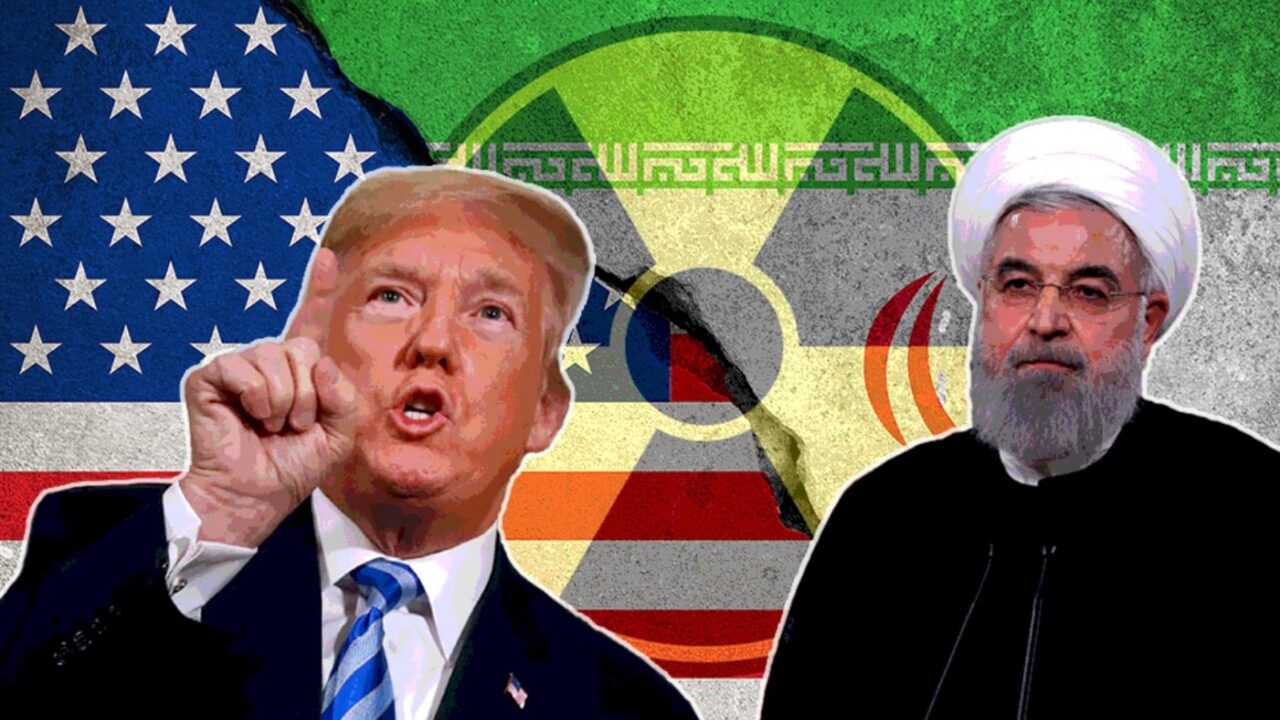
A military confrontation between the United States and Iran in the Strait of Hormuz has ignited fears over the security of the world’s most critical oil chokepoint, pushing Brent crude above $90.5 per barrel. The spike in energy prices has reignited inflation concerns, with markets now pricing a 57% probability of a Federal Reserve rate hike in September. Global equities have sold off sharply in response.
Market Impact and Analysis
The Strait of Hormuz handles roughly 20% of global oil consumption, and any disruption there has immediate and outsized effects on energy prices. The breakout above $90 represents a significant psychological and technical level, and the potential for further escalation could drive prices even higher. For crypto and risk assets, the implications are two-fold. First, higher oil prices feed directly into inflation metrics, which in turn influence central bank policy. The renewed odds of a Fed hike have strengthened the US dollar and pushed Treasury yields higher, creating headwinds for risk-on assets including equities and cryptocurrencies. Second, the geopolitical uncertainty itself often drives a flight to safety, which can paradoxically benefit Bitcoin as a perceived hedge, though in the short term, liquidity squeezes tend to hit all risk assets.
Forward-Looking Perspective
Traders should monitor diplomatic channels and any signs of de-escalation, as a sudden resolution could trigger a sharp pullback in oil and a relief rally in equities. Conversely, a prolonged conflict could force central banks to choose between fighting inflation and supporting growth, a dilemma that would likely increase market volatility. For crypto investors, the immediate correlation with traditional risk assets may dominate, but a sustained geopolitical crisis could eventually reinforce Bitcoin’s narrative as digital gold, especially if fiat currencies come under pressure from energy-driven inflation. The next few weeks will be critical in determining whether this is a short-term shock or a structural shift.