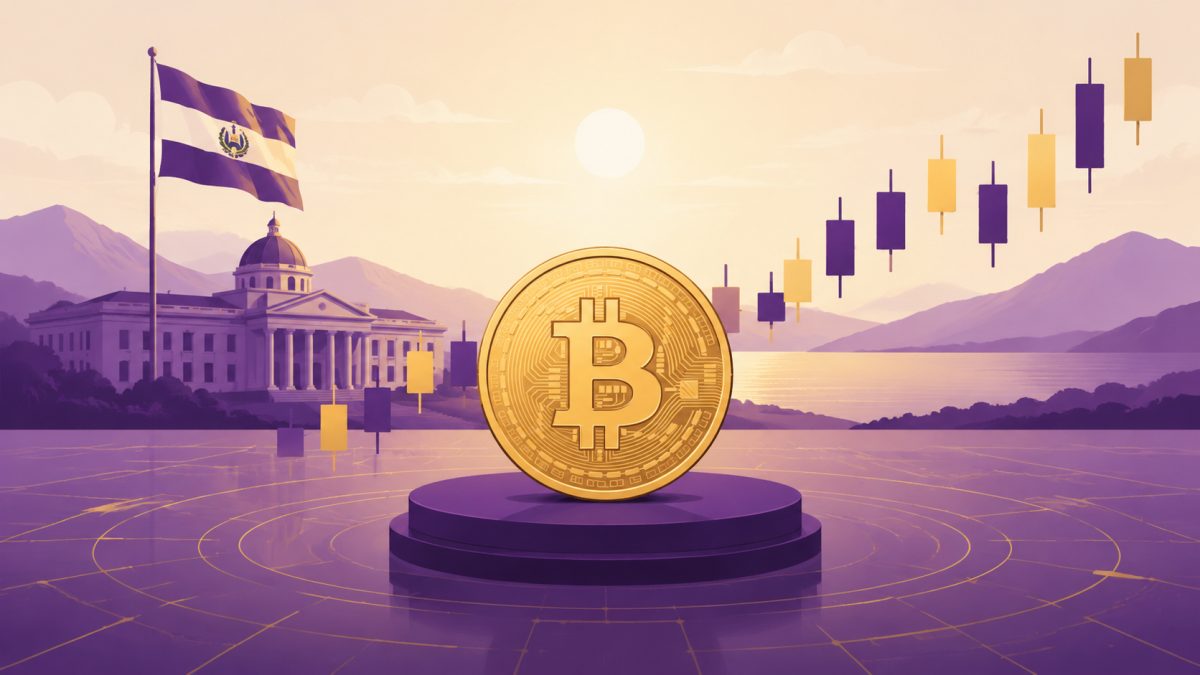
IMF: Private Donations, Not Public Funds, Fueled El Salvador’s Bitcoin Reserve Growth
TREE NEWS reports: The International Monetary Fund (IMF) has revealed that El Salvador’s Bitcoin (BTC) reserve accumulation has been driven primarily by private donations, not public resources. The disclosure came as the IMF reached a staff-level agreement with El Salvador on the combined second and third reviews of its economic program, which, if approved by the Executive Board, would unlock approximately $140 million in financial support.
Key Findings and Context
The IMF’s assessment clarifies a point of contention since El Salvador adopted Bitcoin as legal tender in 2021. Critics have worried that government funds were being used to buy BTC, potentially exposing public finances to crypto volatility. The IMF’s review, however, indicates that the reserve growth has been funded through private donations, easing some fiscal concerns.
This development aligns with the IMF’s broader stance on Bitcoin in El Salvador. The fund has consistently urged the country to limit the public sector’s exposure to the cryptocurrency and to enhance transparency and regulation around its use. The staff-level agreement suggests that progress has been made on these fronts, although the IMF remains cautious about potential risks.
Industry Analysis and Implications
For the crypto industry, this news is a double-edged sword. On one hand, it validates that Bitcoin adoption can be achieved without direct government spending, which may appeal to other nations exploring similar paths. On the other hand, the IMF’s continued emphasis on limiting public exposure underscores the persistent regulatory and financial stability concerns that central banks and international bodies hold about cryptocurrencies.
The fact that private donations have driven the reserve growth is a testament to the strong community support for Bitcoin in El Salvador. It also highlights a unique model where a nation’s crypto treasury can be built through philanthropic and private sector contributions, bypassing the need for taxpayer money. This could serve as a blueprint for other countries or even decentralized autonomous organizations (DAOs) looking to support national-level adoption.
Forward-Looking Perspective
Looking ahead, the IMF’s approval of the reviews and the release of funds would signal a modus vivendi between El Salvador and international financial institutions. This could pave the way for more constructive dialogue on integrating digital assets into national economies without jeopardizing fiscal stability.
For the broader market, the IMF’s acknowledgment that Bitcoin can grow in a national reserve without public funds might reduce some of the systemic risk narratives that have plagued crypto. However, it also reinforces the importance of clear regulatory frameworks to manage the risks associated with private sector involvement in national monetary experiments.
El Salvador’s journey remains a closely watched case study. The outcome of this IMF agreement could influence how other countries approach Bitcoin adoption, especially in emerging markets where fiscal prudence is paramount. As the crypto industry matures, the ability to work alongside traditional financial institutions will be crucial for mainstream acceptance.