Binance’s Regulatory Tightrope in the EU
TREE NEWS reports: Despite not obtaining a Markets in Crypto-Assets (MiCA) license, Binance continues to serve select EU clients through a ‘reverse solicitation’ loophole, routing some trades through its Abu Dhabi entity. This approach, while legally gray, highlights the ongoing friction between global exchanges and regional regulators. The strategy allows Binance to maintain a presence in the EU without full compliance, but it carries significant regulatory risk as authorities may tighten enforcement.
Implications for the Market
This development underscores the fragmented nature of crypto regulation. Exchanges operating without clear licenses face potential fines or operational restrictions, which could impact liquidity for EU traders. For users, the lack of MiCA protection means reduced recourse in disputes, a concern for retail investors.
Zcash’s Meteoric Rise
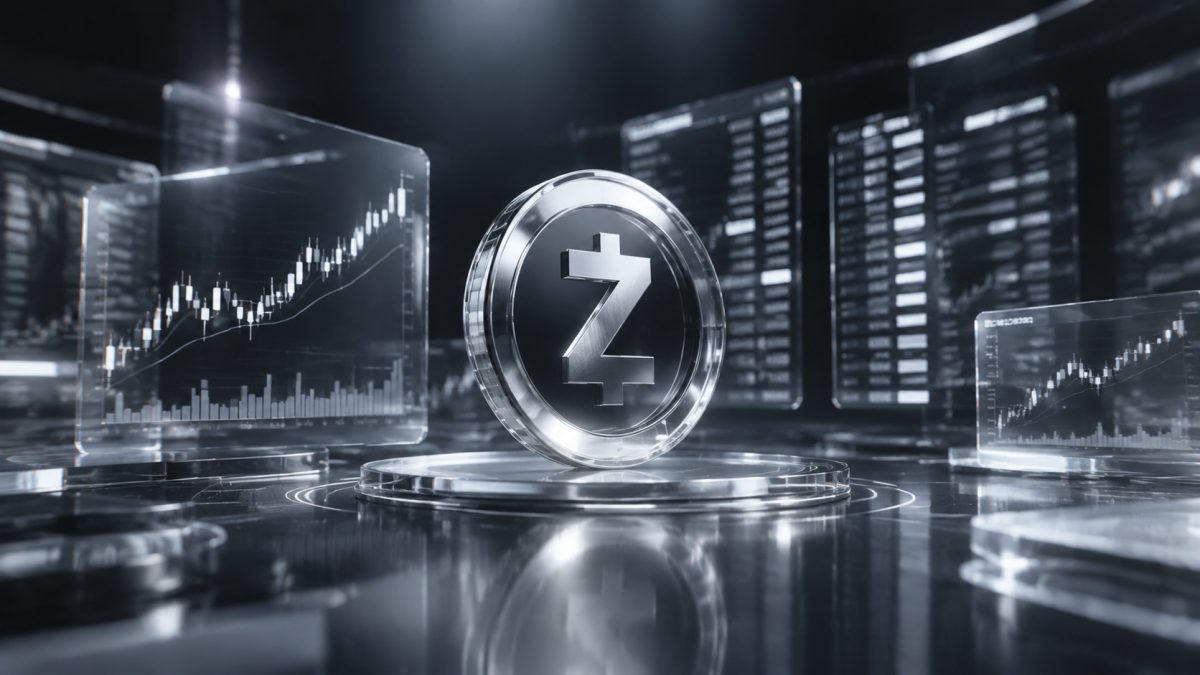
Privacy coin Zcash (ZEC) surged approximately 20% in 24 hours, pushing its market cap to $16.96 billion, with a 94% gain over the past month. The rally is likely driven by increased demand for privacy-focused assets amid growing regulatory scrutiny of transparent blockchains.
Market Dynamics
ZEC’s performance reflects a broader trend where privacy coins gain traction during periods of regulatory uncertainty. However, such rallies are often volatile, and investors should be cautious of potential pullbacks.
Trezor Data Breach Escalates
Hardware wallet provider Trezor disclosed that its logistics data breach has expanded, exposing information of 67,000 US customers. This incident raises concerns about physical supply chain security and the potential for targeted phishing attacks against crypto holders.
Security Implications
Users affected should be vigilant against phishing attempts. This breach also highlights the importance of robust data protection measures in the crypto ecosystem, especially for companies handling sensitive customer information.
Coinbase’s Foray into Single-Stock Perpetuals
Coinbase is advancing its plans to offer US single-stock perpetual contracts, having filed for registration with the SEC. This move would bridge traditional finance and crypto derivatives, offering 24/7 trading on equities.
Regulatory Hurdles
While innovative, this product faces significant regulatory scrutiny. Approval could set a precedent for other exchanges, but delays are likely as the SEC evaluates risks related to market manipulation and investor protection.
Solana Storage Rent Reduction
Solana’s mainnet has lowered storage rent to 6,333 lamports, with plans to reduce further to 696 lamports. This change aims to lower barriers for developers and users, making the network more accessible.
Network Impact
Reduced rent could encourage more activity on Solana, potentially boosting its ecosystem. However, it may also affect validator economics, requiring careful monitoring.
Polymarket’s Leveraged Perpetuals
Prediction market Polymarket has launched perpetual contracts with up to 20x leverage, allowing users to speculate on event outcomes. This adds a new dimension to prediction markets, attracting traders seeking higher risk-reward.
Risk Considerations
High leverage in prediction markets can lead to rapid losses, and regulators may scrutinize this offering. Users should approach with caution.
Chinese Court Ruling on Crypto Loans
A Guangzhou court ruled that while loaned virtual currencies cannot be returned, the borrower must compensate the lender at the original cost. This decision provides clarity on crypto loan disputes in China, where crypto trading is banned but holdings are not illegal.
Legal Precedent
This ruling may guide future cases, but it also highlights the legal gray areas surrounding crypto in China. Investors should be aware of the risks in such arrangements.