What Happened
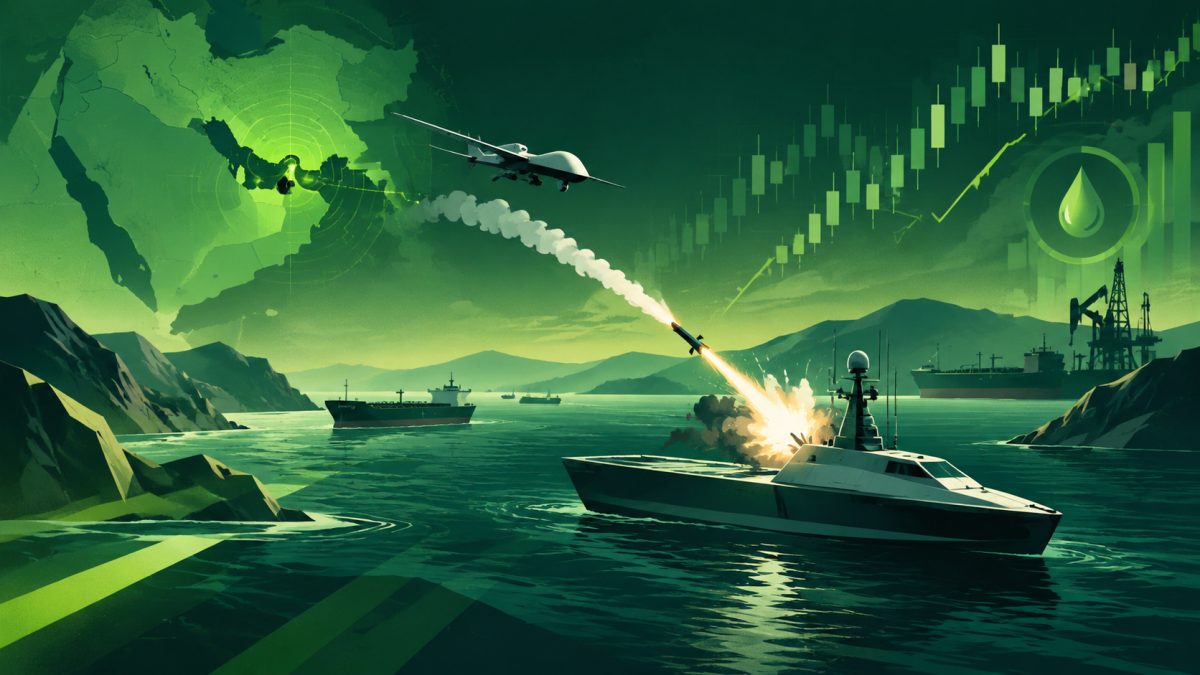
TREE NEWS reports: Iran has claimed responsibility for an attack on a U.S. drone vessel in the Strait of Hormuz, marking a significant escalation in regional hostilities. The incident, reported on [date], underscores the growing volatility in one of the world’s most critical maritime chokepoints, through which roughly 20% of global oil supply transits.
Market Impact Analysis
Oil and Commodities
The immediate reaction is likely to be a spike in crude oil prices, as traders price in a higher risk premium for supply disruptions. Brent and WTI could see gains of 2-5% in the short term, with further upside if the conflict disrupts actual tanker traffic. Natural gas and shipping costs may also rise, affecting global supply chains.
Stocks
Equity markets may face headwinds, particularly in sectors sensitive to energy costs such as airlines, transportation, and manufacturing. Conversely, energy stocks (e.g., ExxonMobil, Chevron) and defense contractors could rally. Broader indices like the S&P 500 and Nasdaq may experience volatility as investors reassess geopolitical risk.
Bonds
Geopolitical crises often drive a flight to safety, pushing yields on U.S. Treasuries lower as prices rise. The 10-year yield could dip, reflecting increased demand for safe-haven assets. However, if oil-driven inflation expectations rise, longer-dated yields may eventually climb.
Crypto
Cryptocurrencies, often touted as a hedge against geopolitical turmoil, may see mixed reactions. Bitcoin could attract safe-haven flows, but risk-off sentiment might also trigger a sell-off in more speculative digital assets. Overall, the impact is likely to be muted compared to traditional safe havens.
Currencies
The U.S. dollar (DXY) is likely to strengthen against riskier currencies, while the Japanese yen and Swiss franc may also appreciate. Oil-importing nations’ currencies (e.g., India’s rupee) could weaken due to higher energy costs.
Why It Matters for Investors
The Strait of Hormuz is a strategic linchpin for global energy security. Any sustained disruption could reignite inflation, complicate central bank policy decisions, and exacerbate supply chain issues. Investors should monitor for further escalation, potential retaliation, and diplomatic efforts. Diversification across asset classes, including energy and defensive sectors, may help mitigate risks.
Key Takeaways
- Expect short-term oil price spikes and potential energy stock gains.
- Monitor for safe-haven flows into gold, USD, and Treasuries.
- Assess portfolio exposure to sectors vulnerable to oil price shocks.
- Stay alert to diplomatic developments that could de-escalate tensions.