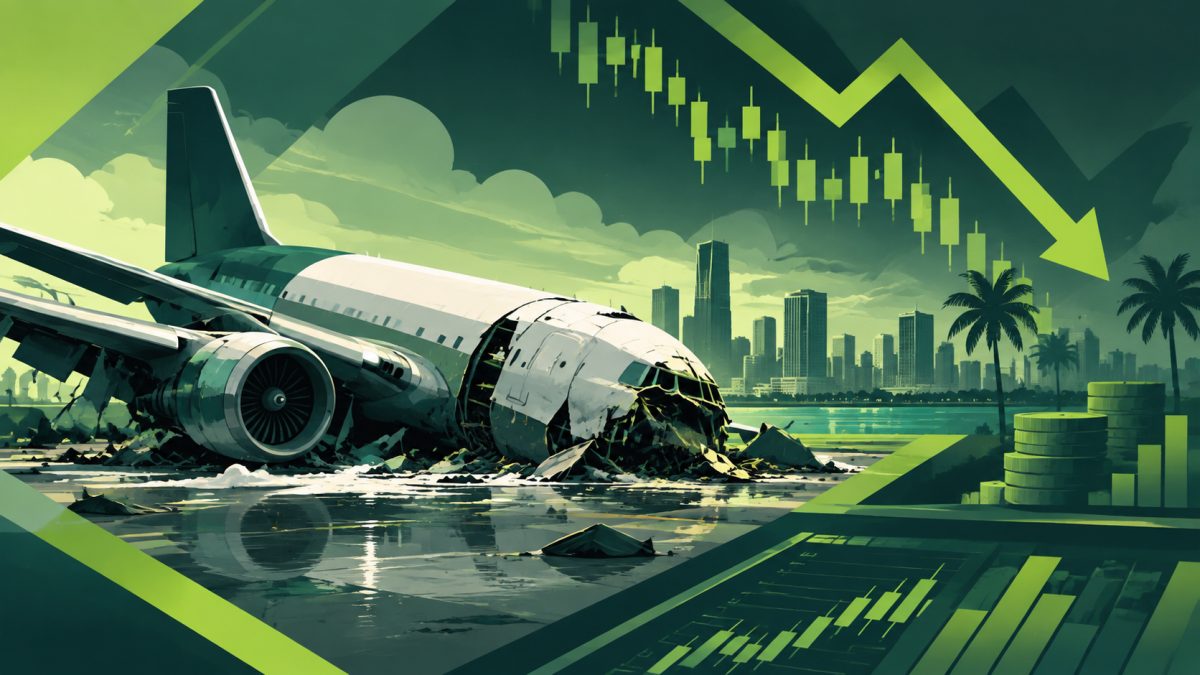
At Least 5 Dead After Amazon Cargo Plane Overruns Miami Airport Runway
TREE NEWS reports: On [current date], an Amazon Air cargo plane, operated by a partner carrier, overran the runway while landing at Miami International Airport, resulting in at least five fatalities and multiple injuries. The aircraft, a Boeing 767, broke through a fence and came to rest near a busy road, causing significant disruption to airport operations and raising immediate safety and operational concerns for Amazon’s logistics network.
What Happened
The incident occurred during landing in what witnesses described as stormy weather conditions. Emergency responders rushed to the scene, and the airport temporarily halted all flights, leading to widespread delays and cancellations. The National Transportation Safety Board (NTSB) has launched an investigation into the cause of the crash, focusing on potential factors such as pilot error, mechanical failure, or adverse weather.
Amazon Air, which relies on a fleet of leased cargo aircraft to supplement its massive e-commerce logistics operation, has been expanding rapidly to meet growing delivery demand. This crash marks one of the deadliest incidents in Amazon’s aviation history and could have significant implications for its operations and reputation.
Market Impact Analysis
Stocks: Amazon (NASDAQ: AMZN) shares may experience short-term volatility as investors assess the potential financial and reputational costs. While the direct operational impact is likely limited—Amazon outsources most of its air cargo to third-party carriers—the incident could lead to increased scrutiny of its safety protocols and higher insurance premiums. Historically, aviation accidents involving major e-commerce or logistics firms have led to modest stock dips, followed by recovery as the market focuses on long-term fundamentals.
Bonds: The crash is unlikely to have a significant effect on Amazon’s corporate bonds, as the company maintains a strong credit profile. However, if the investigation reveals systemic safety issues or leads to prolonged grounding of its fleet, it could raise operational risk premiums slightly.
Commodities: Jet fuel prices may see a minor, short-term uptick if the incident prompts temporary flight disruptions across the industry, but the overall impact is negligible. The broader commodity markets are more driven by macroeconomic factors such as oil supply and demand.
Currencies: The event is not expected to influence major currency pairs, as it is a company-specific incident rather than a macroeconomic shock. However, if it leads to broader concerns about US infrastructure or corporate safety, there could be a marginal risk-off sentiment, but this is unlikely to persist.
Crypto: Cryptocurrency markets are largely unaffected by this news, as they remain more sensitive to regulatory developments and macroeconomic data. The crash does not alter the fundamental drivers of Bitcoin or other digital assets.
Why It Matters for Investors
For investors, this tragedy underscores the operational risks inherent in logistics and e-commerce supply chains. Amazon’s reliance on air cargo is a critical component of its delivery promise, and any disruption—whether from accidents, weather, or regulatory action—can have ripple effects on customer satisfaction and costs. While the immediate financial impact may be contained, the event highlights the importance of monitoring safety records and operational resilience when evaluating companies in this sector.
Moreover, the incident could prompt stricter regulatory oversight of cargo airlines, potentially increasing compliance costs across the industry. Investors should watch for updates from the NTSB investigation and any statements from Amazon or its partners regarding fleet adjustments or enhanced safety measures.
Key Takeaways for Investors
- Expect short-term volatility in AMZN shares, but long-term fundamentals remain intact.
- Monitor the NTSB investigation for potential regulatory changes affecting cargo aviation.
- Watch for any operational adjustments by Amazon Air that could impact delivery timelines during the peak season.
- Diversify holdings to mitigate company-specific risks, as events like this are unpredictable and can affect sentiment.