Tokenization’s Toll Booth: The ‘Back End’ Now Has a Price Tag
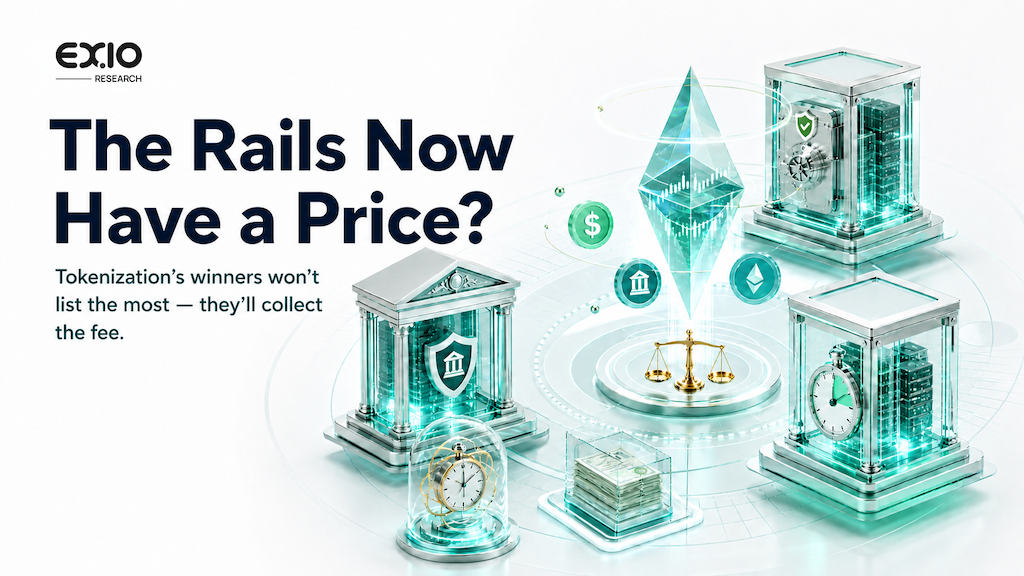
The race to tokenize real-world assets has just been redefined in 48 hours. What was once a battle over front-end distribution and branding has shifted to the infrastructure layer—the ‘back end’ where assets are actually minted, settled, and managed. And now, that back end has an explicit fee schedule.
News Summary
Major players in the tokenization space—from established asset managers to emerging fintech platforms—are now openly pricing their backend services. This includes issuance fees, custody charges, and settlement costs. The move signals a maturation of the market, moving from speculative pilots to commercial viability. The competition is no longer just about who can tokenize the most assets, but who can do it most efficiently and profitably.
Industry Analysis
This pricing transparency is a double-edged sword. On one hand, it legitimizes tokenization as a scalable business model. On the other, it exposes the commoditization risk. If everyone charges similar fees for similar services, the moat becomes operational excellence, compliance, and network effects.
- Revenue Shift: The value capture is moving from asset origination to the ongoing management of tokenized securities—think annual fees, not just one-time issuance.
- Who Benefits: Custodians, transfer agents, and specialized tokenization platforms are the clear winners. They become the ‘toll collectors’ of the on-chain economy.
- Pressure on Margins: As more players enter, fee compression is inevitable. The ‘back end’ may become a race to the bottom, forcing consolidation.
The 48-hour window mentioned in the title likely refers to a flurry of announcements from competitors—perhaps a major bank revealing its fee structure, followed by a fintech undercutting them. This is a classic sign of a market finding its equilibrium.
Forward-Looking Perspective
The next phase will focus on interoperability and liquidity. Back-end providers that can connect disparate blockchains and offer seamless settlement will command premium pricing. We should also expect regulatory frameworks to codify these fee structures, adding another layer of compliance costs. The ‘toll booth’ is here to stay, but the rates will be set by those who can offer the most reliable, secure, and liquid infrastructure.