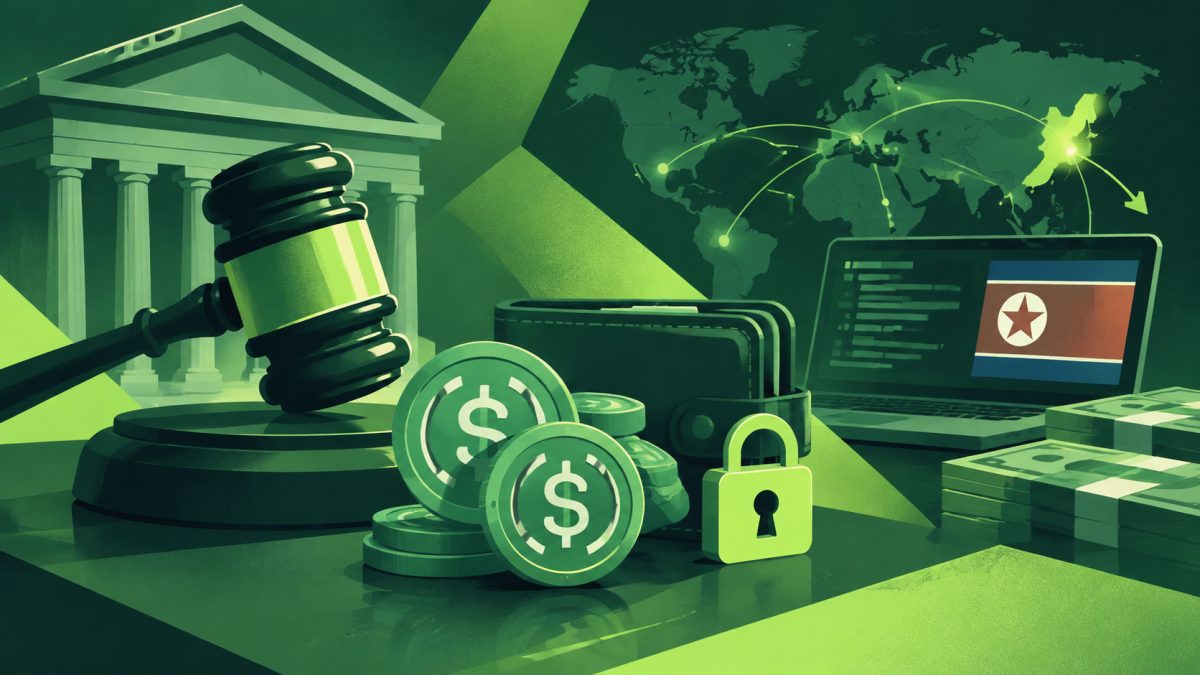
Court Seizes Stablecoins Linked to North Korean IT Worker Laundering
TREE NEWS reports: A U.S. federal court has ordered the forfeiture of approximately $213,000 in stablecoins from a wallet allegedly connected to a money laundering network operated by North Korean IT workers. The ruling, issued by Judge Rudolph Contreras of the U.S. District Court for the District of Columbia, marks another step in Washington’s efforts to disrupt illicit financial activities involving cryptocurrency.
Case Details
The wallet in question received around 158,123 USDT or USDC (exact amount not specified) from various sources linked to North Korean IT operatives. These operatives are believed to have been hired by companies worldwide under fake identities to generate income for the regime, with funds later laundered through a network of wallets and exchanges.
The seizure order is part of a broader enforcement action targeting the financial infrastructure that supports North Korea’s weapons programs and sanctions evasion. The court determined that the stablecoins constituted proceeds of criminal activity and were subject to forfeiture under U.S. law.
Industry Implications
This case underscores the growing scrutiny of stablecoins, which are increasingly used for both legitimate and illicit purposes. While stablecoins offer efficiency and transparency on-chain, they also present new challenges for regulators seeking to trace and freeze assets across borders.
For exchanges and DeFi platforms, the ruling serves as a reminder of the importance of robust compliance measures, including transaction monitoring and wallet screening. It also highlights the legal reach of U.S. courts over digital assets, even when the alleged actors are overseas, as long as the transactions touch U.S. financial infrastructure.
Forward-Looking Perspective
Expect continued enforcement actions against North Korean-linked crypto activities, particularly as the regime increasingly relies on digital assets to circumvent sanctions. The use of stablecoins in such schemes may prompt stricter regulations on fiat-backed tokens, including enhanced know-your-customer (KYC) and anti-money laundering (AML) requirements for issuers and intermediaries.
Moreover, this case could set a precedent for more aggressive asset seizure by U.S. authorities, potentially affecting how global crypto businesses assess jurisdictional risks. As blockchain analytics improve, the ability to trace and freeze illicit funds will likely become more effective, reducing the appeal of crypto for state-sponsored laundering.



