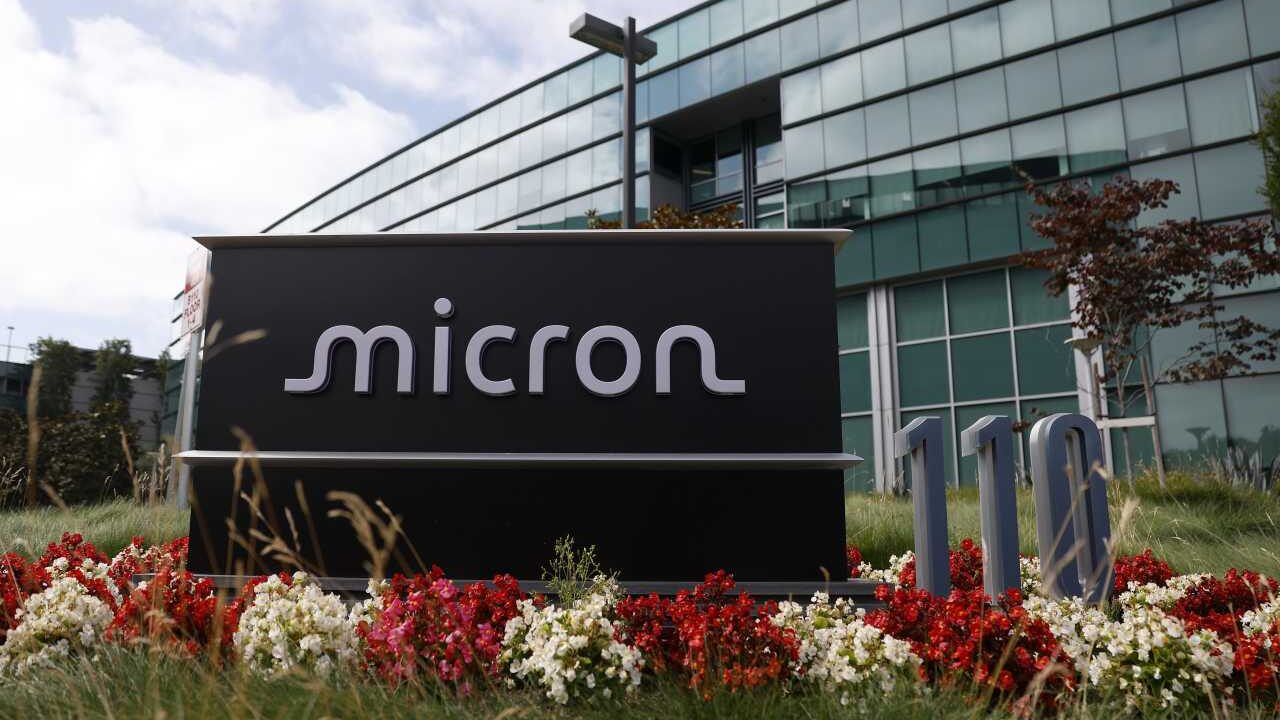
Memory Chips Rule the AI Boom: Why Micron’s Reign Could Persist
TREE NEWS reports: The semiconductor industry is on track to generate $1.5 trillion in revenue this year, with memory chips emerging as the dominant growth driver. This surge, fueled by insatiable demand from AI data centers, positions memory makers like Micron Technology at the center of the tech economy. But the question on investors’ minds is whether this boom is sustainable or merely a cyclical peak.
What Happened
Industry forecasts now point to record semiconductor sales, with memory chips—DRAM and NAND—accounting for a significant portion of the growth. AI workloads require massive amounts of high-bandwidth memory (HBM) and traditional DRAM to train and run large language models. Micron, one of the few players with advanced HBM3E products, has seen its revenue and margins soar as hyperscalers and AI startups compete for limited supply.
Market Implications
Stocks: Micron’s earnings have become a bellwether for the AI trade. Strong guidance from the company often lifts not only its own shares but also those of peers like SK Hynix and Samsung, as well as AI hardware names such as Nvidia. However, any sign of demand softening could trigger a sharp selloff, given how crowded the AI trade has become.
Bonds: The memory boom contributes to inflationary pressures in the tech supply chain, but its effect on government bonds is indirect. If sustained, it could support corporate credit in the semiconductor sector, though high capital expenditure requirements may lead to increased debt issuance.
Crypto: The link is indirect but real: AI-driven demand for GPUs and memory has historically reduced the availability of chips for crypto mining, but with Ethereum’s shift to proof-of-stake, the impact is now minimal. However, AI-focused crypto projects that rely on decentralized compute networks may benefit from higher hardware costs, as they compete with traditional data centers.
Commodities: Memory chip production requires rare earths and specialty chemicals. Rising demand could push prices for these inputs higher, benefiting miners but increasing costs for chipmakers.
Currencies: Countries with dominant semiconductor industries, like South Korea and Taiwan, could see their currencies strengthen if the memory boom persists, as export revenues surge.
Why It Matters
Memory chips are the unsung heroes of the AI revolution. Unlike GPUs, which get most of the attention, memory is the bottleneck for scaling AI models. Micron’s ability to maintain its technological lead and manage supply-demand dynamics will determine whether it can sustain its ‘reign’ or become another victim of the industry’s notorious cyclicality. For investors, understanding the memory market’s fundamentals is essential to gauging the health of the broader AI trade.
Key Takeaways
- Semiconductor revenue is projected to hit $1.5 trillion, with memory as the primary driver.
- Micron’s HBM technology gives it a competitive edge, but cyclical risks remain.
- Investors should watch memory price trends and hyperscaler capex as leading indicators.
- The AI trade’s next leg may depend more on memory supply than on GPU innovation.