News Summary
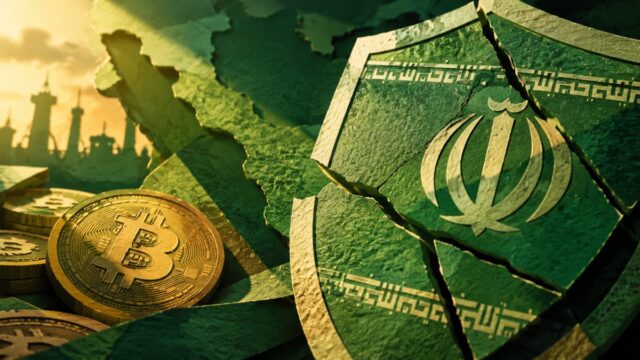
TREE NEWS reports: On August 19, Iranian parliament member Rezaei stated that Iran controls the management, supervision, and inspection of the Strait of Hormuz, and warned that if Iran’s interests are harmed anywhere in the world, it will retaliate by raising tariffs or seizing assets of hostile countries and governments through the strait. This statement, reported by CCTV, adds another layer of tension to an already volatile geopolitical landscape.
Industry Analysis
The Strait of Hormuz is a critical chokepoint for global energy supplies, with roughly 20% of the world’s oil and a significant share of LNG passing through its waters. Any disruption—whether through direct military action, increased tariffs, or asset seizures—would have immediate and severe implications for global energy prices, shipping costs, and inflation.
For financial markets, this is a classic geopolitical risk event. Oil prices would likely spike, benefiting energy stocks but pressuring airlines, shipping companies, and manufacturing sectors. The broader equity markets could see risk-off sentiment, while safe-haven assets like gold and U.S. Treasuries might rally. In the crypto space, Bitcoin has increasingly traded as a risk asset, but in times of extreme geopolitical stress, it may also see flows as a hedge against fiat debasement, though its correlation with traditional risk assets remains high.
The threat of raising tariffs in the strait is particularly novel. While the strait is international waters, Iran has historically exerted de facto control. Introducing tariffs would be a direct challenge to international maritime law and could provoke a military response from the U.S. or its allies, escalating the conflict. This could push oil prices to levels not seen since the 2008 crisis, potentially triggering a global recession.
Forward-Looking Perspective
Markets should brace for increased volatility in the coming weeks. Traders will closely monitor any concrete actions from Iran, as well as responses from the U.S., Saudi Arabia, and other Gulf states. Diplomatic channels are likely to be intense, but the risk of miscalculation is high. For investors, diversifying into energy, defense, and safe-haven assets may be prudent. In the crypto market, expect higher correlation with oil and geopolitical news, with potential for sharp swings. Long-term, this episode underscores the fragility of global supply chains and the need for alternative energy routes and digital assets that are independent of traditional financial systems.