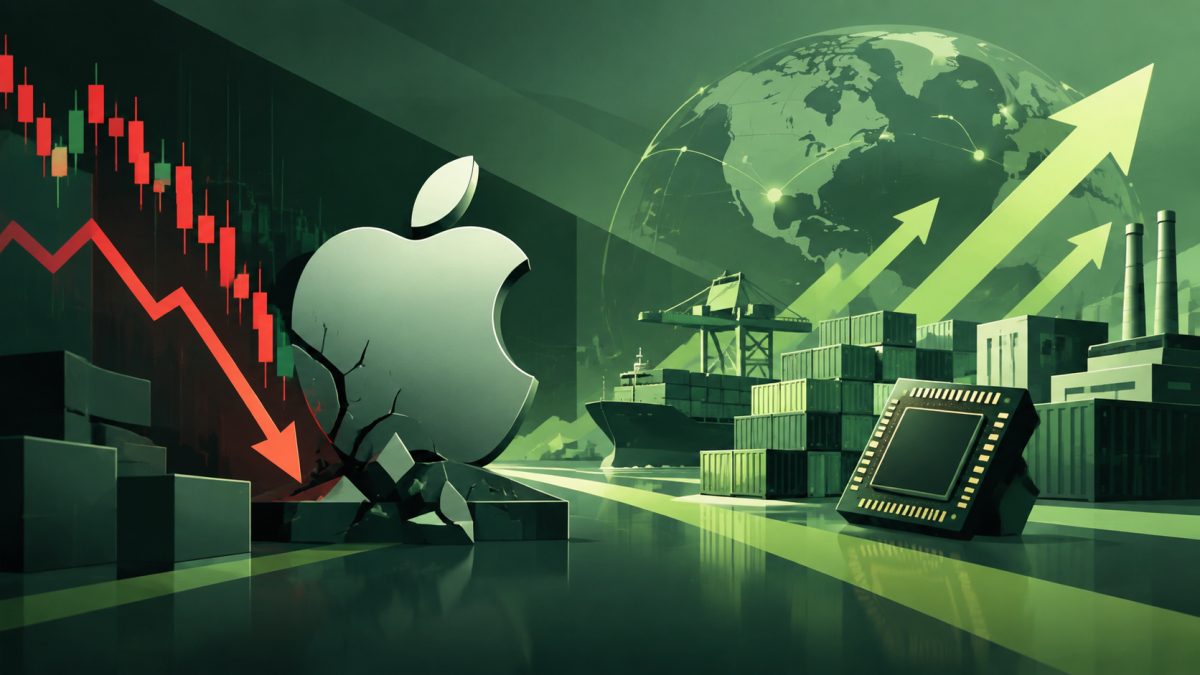
Apple’s Pre-Event Market Paradox: $10B Wiped Out, Yet Supply Chain Giants Surge
On the eve of Apple’s much-anticipated product launch, the tech giant saw its market capitalization plummet by $10 billion in a single trading session. Yet, in a striking divergence, the so-called ‘Apple supply chain eight giants’—a group of key component makers and assemblers—experienced a collective surge, defying the broader market’s pessimism.
News Summary
The market’s mixed signals came as investors digested the implications of Apple’s upcoming event. While the company’s own stock suffered, suppliers across Asia, including Taiwan’s TSMC and Hon Hai (Foxconn), along with Chinese firms like Luxshare Precision and Goertek, posted notable gains. This suggests that the market is pricing in expectations of robust order volumes and technological upgrades that could benefit the supply chain, even if Apple’s immediate valuation takes a hit.
Industry Analysis
This divergence highlights a nuanced perspective among investors. The $10 billion drop in Apple’s market cap may reflect concerns over consumer demand, margin pressures, or simply profit-taking after a strong run. However, the supply chain surge points to optimism about the technical specifications and volume of components needed for the new products. For instance, if the new iPhone incorporates advanced camera systems or new connectivity features, suppliers of these components stand to gain significantly.
Moreover, the supply chain’s strength often serves as a leading indicator for Apple’s product cycle. A surge in these stocks suggests that manufacturers are seeing increased orders and capacity utilization, which could translate into stronger earnings for them, even if Apple’s own growth appears more modest.
Forward-Looking Perspective
As the event unfolds, investors will be watching for more than just the flashy features. Key metrics to consider include the pricing strategy, which could impact margins across the chain, and any commentary on supply chain diversification, particularly given geopolitical tensions. The response of the supply chain stocks post-event will be telling—whether they can sustain their gains will depend on the actual orders and guidance provided by Apple’s management.
In the longer term, this event could set the tone for the tech sector’s performance in the coming months. If the new products resonate with consumers and drive upgrade cycles, the entire ecosystem could benefit. Conversely, any signs of weak demand could lead to a correction in both Apple and its suppliers’ valuations. The market’s current divergence may be a temporary anomaly, but it underscores the complexity of evaluating a company like Apple in isolation from its extensive and influential supply chain.