What Happened
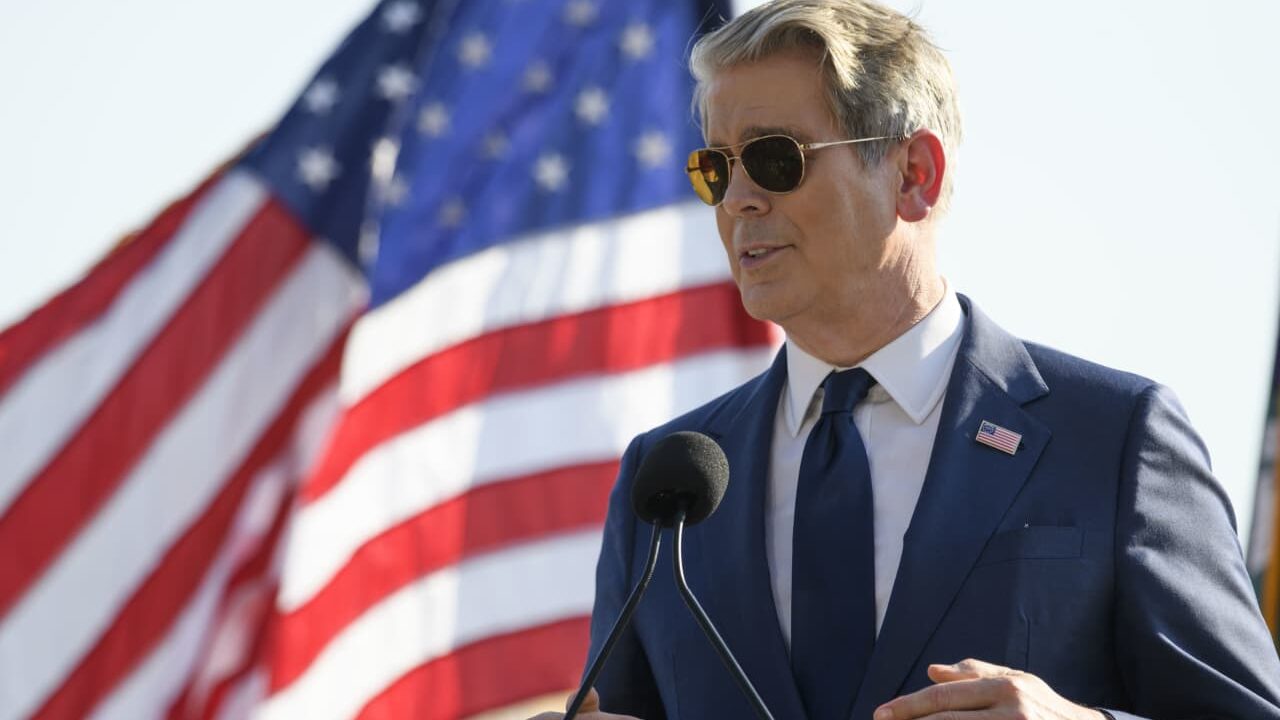
TREE NEWS reports: Treasury Secretary Scott Bessent, speaking at Southern Methodist University’s business school on Tuesday night, delivered a striking declaration: ‘I am the house now.’ The remark, aimed at currency markets, signals the U.S. government’s heightened vigilance against any speculative attacks on the dollar, particularly those involving the yen carry trade. Bessent’s statement underscores a policy shift: the Treasury is prepared to intervene or coordinate with allies to stabilize the dollar, a move that could have profound ripple effects across global markets.
Market Implications
Currencies: Yen and Dollar Dynamics
Bessent’s comment directly targets the yen carry trade, where investors borrow yen at ultra-low rates to invest in higher-yielding dollar assets. A stronger dollar policy—or the threat of intervention—could force a rapid unwinding of these positions, leading to a sharp appreciation of the yen. This would squeeze leveraged speculators and could trigger volatility in global currency markets. The dollar index (DXY) may see short-term fluctuations as traders recalibrate their expectations of U.S. intervention.
U.S. Stocks: A Double-Edged Sword
For U.S. equities, the immediate effect is ambiguous. A stronger dollar tends to hurt multinational corporations’ overseas earnings, pressuring the S&P 500. However, if Bessent’s stance is interpreted as a defense of U.S. economic strength, it could bolster investor confidence. The key risk is a sharp yen rally that disrupts global funding conditions, reminiscent of the August 2024 carry-trade unwind that triggered a brief global selloff. Tech stocks, with significant exposure to Asia, could be particularly sensitive.
Bonds and Commodities
Treasury yields may react to the prospect of intervention, which often requires selling foreign reserves or issuing debt. This could add upward pressure on long-term yields. Commodities, priced in dollars, typically face headwinds when the dollar strengthens, pressuring gold and oil. However, if the move is seen as stabilizing, safe-haven demand for gold might persist.
Crypto: Indirect Exposure
Cryptocurrencies, especially bitcoin, have shown a negative correlation with the dollar index in recent years. A stronger dollar could dampen crypto prices, but the asset class remains driven more by liquidity and risk appetite. A sudden carry-trade unwind could trigger a liquidity squeeze, hitting all risk assets, including crypto.
Why It Matters for Investors
Bessent’s comment is not just rhetorical flair; it signals a proactive U.S. stance in currency markets, a departure from the traditional ‘strong dollar’ rhetoric that often lacks teeth. Investors should monitor for actual intervention steps, such as coordinated action with the Bank of Japan. The yen carry trade is a systemic risk that, if unwound violently, could cause broad market stress. Positioning for higher volatility in currencies and equities is prudent, and diversification into assets that hedge against dollar strength—such as non-U.S. equities or gold—may be warranted.
Key Takeaways
- Bessent’s ‘I am the house’ implies the U.S. may actively defend the dollar, targeting yen carry trades.
- Expect potential yen appreciation and volatility in currency markets, with spillover to stocks and bonds.
- U.S. multinationals and tech stocks could face headwinds from a stronger dollar.
- Cryptocurrencies may see indirect pressure from a liquidity squeeze if carry trades unwind.
- Investors should prepare for increased market volatility and consider hedging strategies.



