Iran Captures U.S. Drone, Strikes Escalate
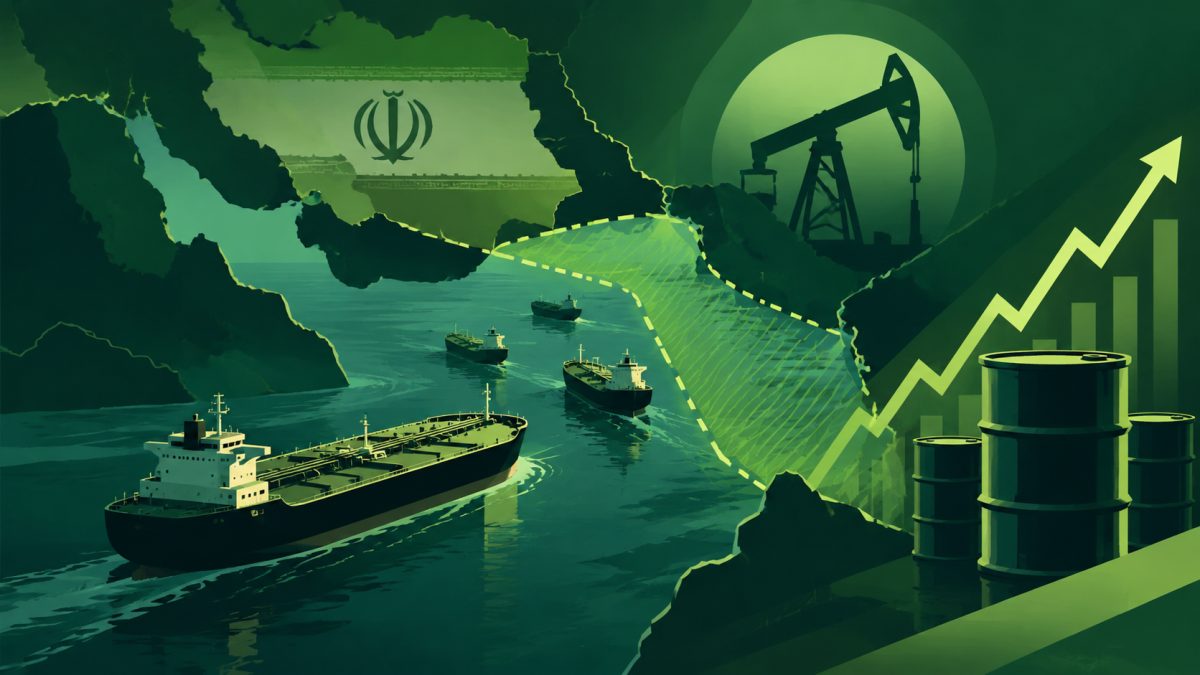
TREE NEWS reports: Iran’s Islamic Revolutionary Guard Corps (IRGC) announced on Tuesday that it has established a new maritime ‘sanctions zone’ extending from Chabahar Port into parts of the Gulf of Oman and the Arabian Sea, with coordinates to be released later. This follows the IRGC’s claim that it captured an advanced U.S. underwater drone at the entrance to the Strait of Hormuz, and a series of reciprocal military strikes between Washington and Tehran over the past 48 hours.
The IRGC released images showing the captured device, which closely resembles the Dive-LD, a large-displacement autonomous underwater vehicle made by U.S. defense firm Anduril Industries. The Dive-LD, delivered to the U.S. military starting in 2025, can operate for up to ten days at depths of 6,000 meters, and is used for seabed mapping and mine detection. U.S. Navy SEALs are reportedly on a four-month mission to clear mines planted by Iran in the strait. A U.S. official confirmed that one underwater drone had malfunctioned in the region but did not confirm its capture.
In parallel, U.S. forces struck Iranian commercial vessels near Kharg Island and Jask, with FOX News quoting senior U.S. officials as saying the strikes were part of a broader strategy to economically pressure Iran by sinking or disabling its oil tankers. Iran retaliated by launching ballistic missiles at a U.S. base in Jordan. The escalating hostilities have pushed Brent crude oil above $100 per barrel, as markets price in heightened risks to oil exports and shipping through the Strait of Hormuz, which carries about 20% of global petroleum consumption.
Market Implications: Oil, Safe Havens, and Risk Assets
The immediate market reaction is a spike in crude prices, with Brent surpassing the psychologically significant $100 level. Further escalation could drive prices toward $110–$120, depending on the extent of disruption to tanker traffic. Energy stocks, particularly oil majors and refiners, are likely to rally, while airline and shipping stocks may suffer from higher fuel costs.
In the bond market, investors are likely to seek safety in U.S. Treasuries, especially shorter-dated maturities, as geopolitical risk rises. The 10-year yield may dip as flight-to-quality flows intensify, but any sustained move will depend on whether the conflict broadens and impacts global growth.
Gold and the U.S. dollar are classic beneficiaries of geopolitical tension. Gold could test recent highs, while the dollar may strengthen against commodity-importing currencies like the yen and euro. Cryptocurrencies, particularly Bitcoin, have shown mixed reactions to such events; initially, they may drop alongside risk assets, but some investors view Bitcoin as a hedge against fiat debasement, potentially supporting a rebound later.
Commodities beyond oil, such as natural gas and shipping freight rates, are also vulnerable. A prolonged closure of the Strait of Hormuz would disrupt LNG exports from Qatar, sending global gas prices higher. Dry bulk and tanker rates would surge on rerouting and war-risk premiums.
Key Takeaways for Investors
- Energy exposure: Consider overweighting energy equities and oil-linked ETFs, but be prepared for high volatility.
- Defensive positioning: Add to gold and short-duration Treasuries as portfolio hedges.
- Monitor shipping and insurance: War-risk premiums on tankers are rising, which could feed into consumer prices globally.
- Stay nimble: The situation is fluid; avoid overcommitting to any single scenario. Use options or stop-losses to manage risk.
The Strait of Hormuz is the world’s most critical oil chokepoint. Any sustained disruption would have profound consequences for global inflation, central bank policy, and economic growth. Investors should watch for diplomatic efforts, the extent of U.S. strikes, and any Iranian retaliation that could close the strait entirely.



