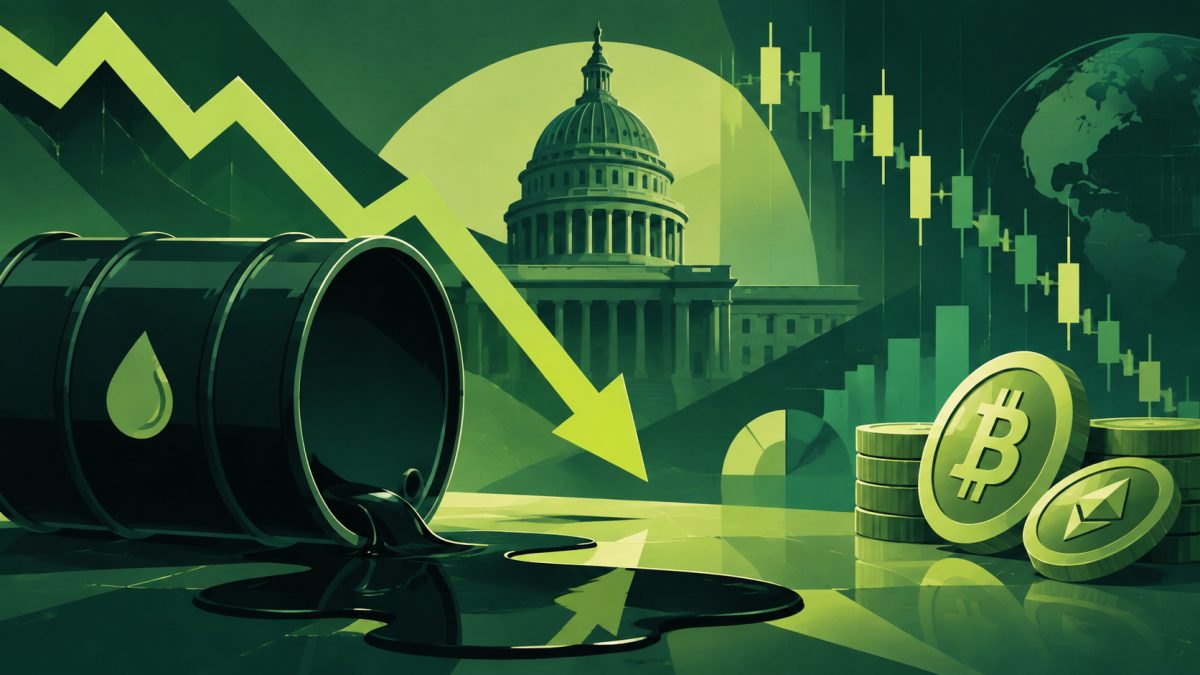
Trump Predicts Sharp Oil Drop After Midterms
TREE NEWS reports: President Donald Trump has publicly stated that international crude oil prices will fall sharply after the U.S. midterm elections conclude. He explicitly linked the election calendar to commodity price trends, arguing that downward pressure on oil will intensify after the vote. The remark forces investors to reassess energy supply-demand dynamics and short-term price ranges, while market participants closely watch upcoming data releases.
Macro Implications: Oil as a Political Barometer
Trump’s remarks introduce a political-cycle variable into oil forecasts. Historically, U.S. administrations have used strategic oil reserves, sanctions, and diplomatic leverage to influence energy markets, but tying price expectations directly to election outcomes is unusual. If the market interprets this statement as a signal that policy constraints on domestic production or sanctions relief could change after the midterms, crude futures and energy equities could reprice rapidly.
For crypto markets, the transmission channel is indirect but meaningful. Oil is a key input to global inflation, and its trajectory influences Federal Reserve rate expectations. A sustained oil decline would ease headline inflation, potentially softening the Fed’s hawkish stance and boosting risk assets, including bitcoin and ether. Conversely, if the prediction fails to materialize, persistent energy prices could keep rates higher for longer, pressuring leveraged crypto positions.
Energy-Crypto Nexus: Miners, RWA, and Stablecoins
Bitcoin miners are directly affected by energy costs. Lower oil prices often correlate with lower natural gas and electricity prices, improving mining margins. This could revive hashrate expansion and make mining-related equities more attractive. In the tokenized real-world asset (RWA) sector, oil-backed tokens and commodity DeFi products could see renewed interest if price volatility rises, though regulatory hurdles remain.
Stablecoin flows may also react. A weak oil price environment typically supports USD liquidity, which can flow into stablecoins and DeFi yields. However, if the dollar strengthens on safe-haven demand, crypto adoption in emerging markets could face headwinds.
Forward-Looking Perspective
Investors should treat Trump’s statement as a political signal rather than a guaranteed forecast. The actual trajectory of oil prices will depend on OPEC+ supply decisions, global demand, and geopolitical risks. For crypto traders, the key is to monitor the correlation between crude oil, the dollar index, and bitcoin. A confirmed oil downtrend could become a tailwind for risk assets, but the timing remains uncertain. Positioning should account for both scenarios: a post-election energy slump that boosts crypto, or a delayed decline that keeps macro pressures ongoing.



