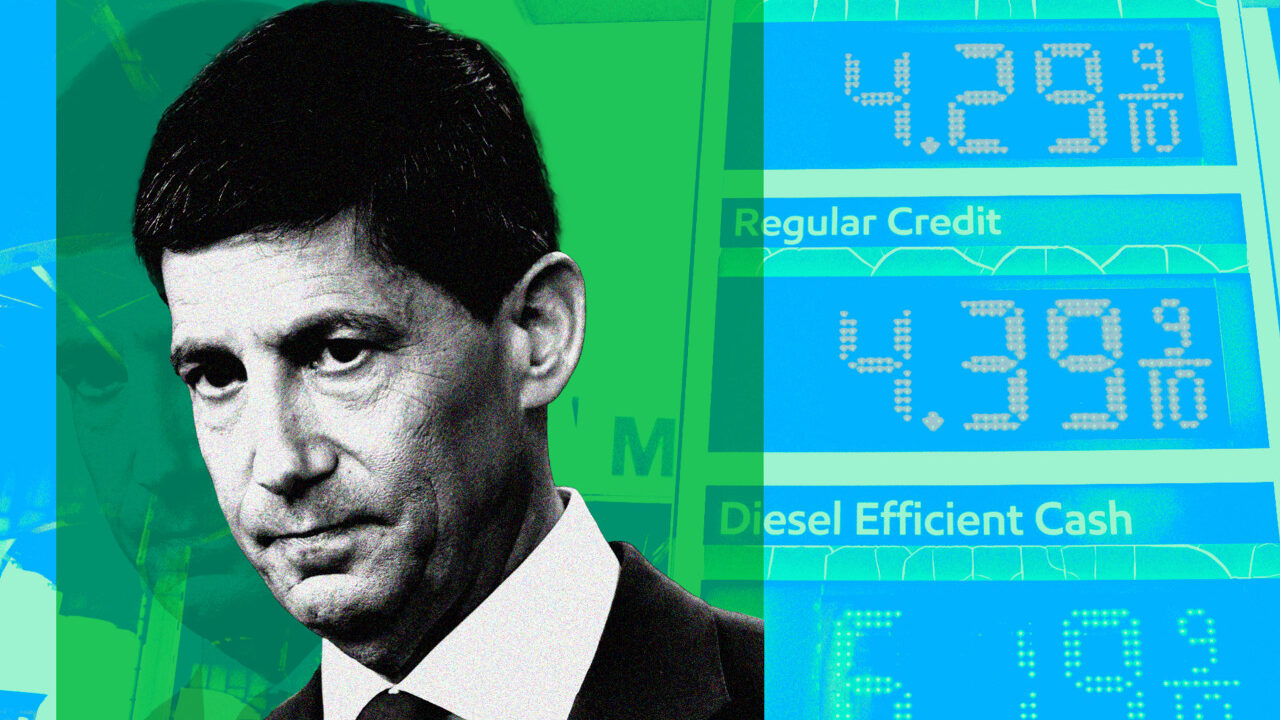
Bond Market Pushes 10-Year Yield Toward 5% Even as Energy Costs Drive Inflation
TREE NEWS reports: The 10-year U.S. Treasury yield is knocking on the door of 5%, a level not seen consistently since 2007, as the bond market prices in the prospect of additional Federal Reserve rate hikes. The move comes despite growing evidence that monetary policy is powerless to bring down gasoline prices, which have been climbing again and feeding headline inflation.
The yield on the benchmark 10-year note has risen sharply in recent weeks, reflecting a bond market that is demanding tighter policy even as the Fed’s tools struggle to address supply-driven energy costs. This dynamic — a bond market pushing for hikes that cannot solve the underlying problem — creates a dangerous backdrop for equities, which have historically struggled when the 10-year yield approaches or exceeds 5%.
What’s Happening
The 10-year Treasury yield has surged toward the 5% threshold, a psychologically significant level that has preceded equity market turbulence in the past. The bond market’s message is clear: it expects the Federal Reserve to keep rates higher for longer, or even hike again, to combat inflation that remains sticky.
But there’s a catch. Much of the recent inflation pressure comes from energy prices, particularly gasoline, which are driven by global supply dynamics, geopolitical tensions, and refinery capacity — factors the Fed cannot influence with interest rate policy. Rate hikes can cool demand, but they cannot drill more oil, refine more gasoline, or resolve supply chain bottlenecks.
Market Implications
Stocks: A 5% 10-year yield is a warning sign for equities. Higher yields increase borrowing costs for companies, compress valuation multiples (especially for growth and tech stocks), and make bonds a more attractive alternative to stocks. The S&P 500 and Nasdaq are particularly vulnerable, with rate-sensitive sectors like real estate, utilities, and technology likely to face the most pressure.
Bonds: The bond market is in a tense equilibrium. Short-term yields remain elevated as the Fed holds rates high, while longer-term yields are rising on concerns about persistent inflation and fiscal deficits. This creates a steepening curve scenario that could signal recession fears or inflation expectations becoming unanchored.
Crypto: Higher real yields are typically a headwind for risk assets like Bitcoin and Ethereum. Crypto has shown increasing correlation with tech stocks, so a 5% 10-year yield could trigger another leg down. However, if inflation remains stubborn and the Fed is seen as losing control, crypto could paradoxically benefit as a hedge against monetary debasement.
Commodities: Energy commodities, particularly crude oil and gasoline, are at the center of the story. If the Fed hikes into supply-driven inflation, it risks crushing demand without solving the supply problem — a stagflationary outcome that historically benefits commodities like gold and oil.
Currencies: The U.S. dollar tends to strengthen when U.S. yields rise, as global capital flows into higher-yielding dollar assets. A stronger dollar pressures emerging market currencies and commodities priced in dollars, creating a feedback loop that could worsen global inflation.
Why This Matters for Investors
The core issue is a policy mismatch. The bond market is demanding rate hikes to fight inflation, but the inflation we’re seeing is increasingly supply-driven — energy, food, and geopolitical disruptions. Rate hikes cannot fix these problems, and they risk tipping the economy into recession while inflation remains elevated.
For investors, this means:
- Defensive positioning: Consider reducing exposure to rate-sensitive growth stocks and increasing allocations to value, energy, and short-duration bonds.
- Inflation hedges: Real assets like commodities, TIPS, and select crypto assets may offer protection if inflation proves stickier than expected.
- Watch the 5% level: A sustained break above 5% on the 10-year yield has historically been a trigger for equity market corrections. This is a key technical and psychological level to monitor.
- Stagflation risk: The worst-case scenario is stagflation — high inflation, low growth, and rising unemployment. In that environment, traditional 60/40 portfolios struggle, and alternative assets become more important.
The bond market is sending a warning. Whether the Fed listens — and whether it can do anything about gas prices — remains the central question for markets in the months ahead.