A Grassroots Push Against Korea’s Crypto Tax Timeline
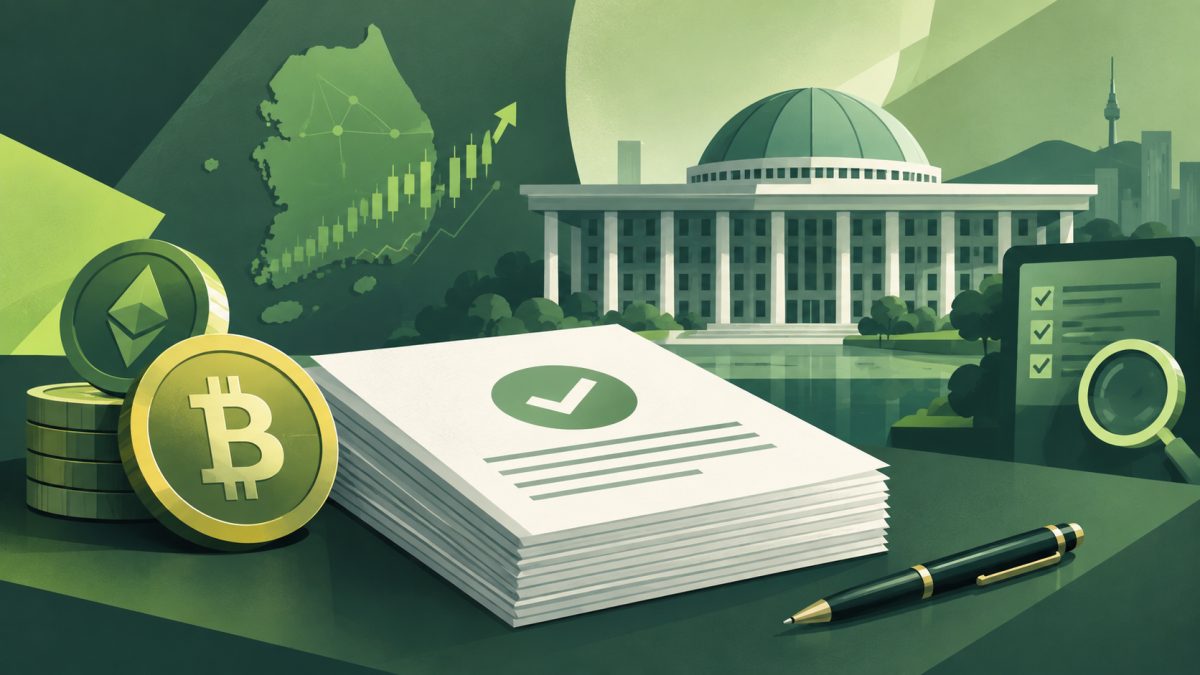
TREE NEWS reports: A petition calling for a two-year postponement of South Korea’s planned virtual asset taxation has crossed the 50,000-signature threshold required for formal review by the National Assembly. The petition, which gathered 50,764 signatures, argues that imposing a tax on digital assets could sharply reduce revenue at domestic crypto exchanges, which would in turn shrink corporate tax receipts for the government. Under National Assembly rules, any petition exceeding 50,000 signatures is referred to the relevant standing committee for deliberation.
The development comes amid a broader political battle over crypto taxation. The government maintains that the tax should take full effect starting January 2027, while the ruling People Power Party opposes the timeline, citing inadequate infrastructure and compliance readiness.
Why the Petition Matters
Korea’s crypto tax saga has stretched across multiple administrations and repeated delays. The core tension is not whether digital assets should eventually be taxed, but whether the current market and reporting infrastructure can support enforcement without driving activity offshore. Exchanges operate on thin margins, and a new tax layer could accelerate user migration to overseas platforms, eroding the very tax base the policy is meant to capture.
- Revenue paradox: Taxing exchanges and traders may reduce exchange profits and corporate tax contributions, offsetting gains from the new levy.
- Infrastructure gap: Reporting standards, cost-basis tracking, and cross-border data sharing remain incomplete.
- Political divide: The ruling party’s opposition signals that the 2027 implementation date is far from settled.
Industry Implications
For Korean exchanges such as Upbit and Bithumb, a delay would provide breathing room to upgrade compliance systems and retain retail liquidity. For global investors, the petition highlights how crypto policy in major Asian markets remains fluid, creating both regulatory risk and opportunity. If the standing committee advances the petition, it could trigger hearings and potentially legislative amendments to the tax schedule.
Forward-Looking Perspective
The petition’s success in reaching the review threshold does not guarantee a delay, but it raises the political cost of proceeding on schedule. Watch for committee hearings, Ministry of Economy and Finance responses, and whether opposition hardens into a formal legislative push. Korea’s decision will be closely watched across Asia as a bellwether for how democracies balance tax revenue ambitions against the realities of a mobile, global crypto market.