News Summary
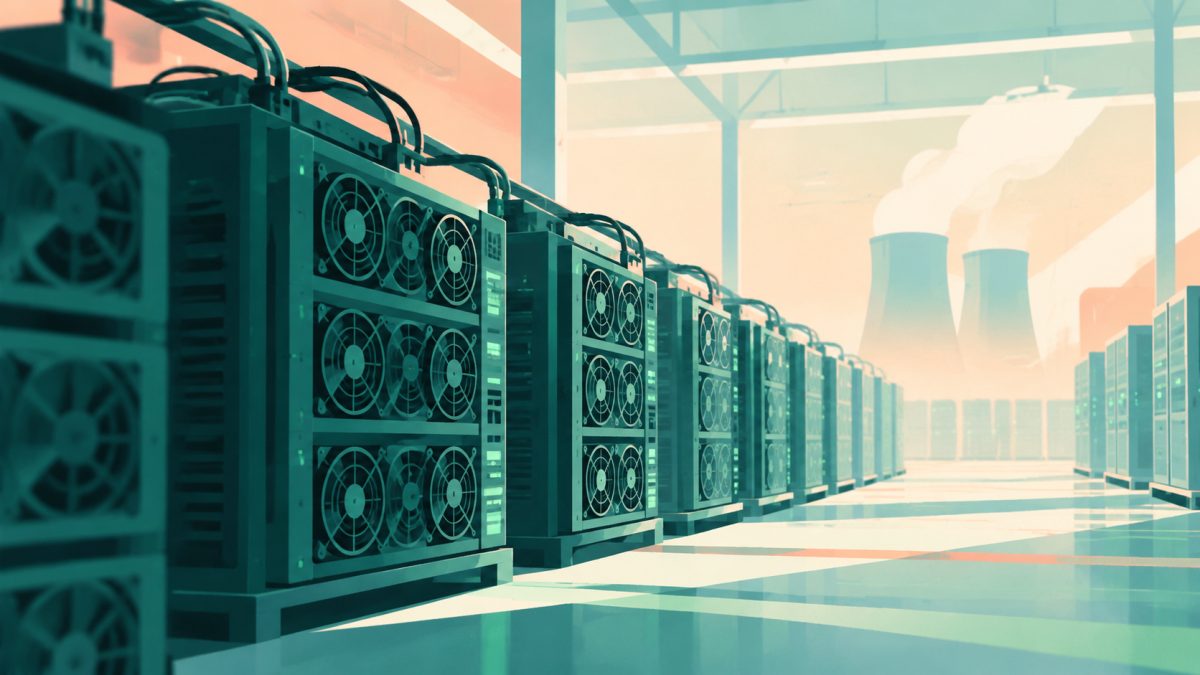
TREE NEWS reports: Nasdaq-listed Ionic Digital, formerly the mining arm of bankrupt Celsius, reported Q2 revenue of $48.6 million, up 31% year-over-year. Of that, $43.8 million — roughly 90% — came from leasing its digital infrastructure for AI data centers, according to TheEnergyMag. The pivot underscores a broader trend of crypto miners transforming into high-performance computing (HPC) hosts.
Industry Analysis
Ionic’s shift is emblematic of a strategic evolution across the crypto mining sector. With Bitcoin’s halving cutting block rewards in half and energy costs rising, pure-play mining has become less profitable. Meanwhile, the AI boom has created insatiable demand for data center capacity, especially for GPU clusters and high-density power. Miners possess valuable assets: access to cheap electricity, existing industrial sites, and robust cooling systems.
By leasing these assets to AI tenants, Ionic is trading volatile crypto revenue for more predictable, contracted cash flows. The 31% revenue growth — driven almost entirely by infrastructure leasing — signals that the market is rewarding this diversification. However, it also raises questions: Is this still a crypto company, or a real estate play? The Nasdaq listing suggests investors are treating it as a tech-infrastructure hybrid.
This trend is not isolated. Rivals like Hut 8, Core Scientific, and IREN have announced similar AI partnerships. The market has responded positively, with these stocks outperforming pure-play miners. Yet, there are risks: AI leasing contracts are often long-term but may include termination clauses, and the rapid pace of GPU innovation could render some infrastructure obsolete sooner than expected.
Forward-Looking Perspective
Looking ahead, Ionic’s success will depend on its ability to secure long-term, high-utilization contracts with hyperscalers or AI startups. The company may also need to invest in additional power capacity and network upgrades to remain competitive. For investors, the key metric will shift from Bitcoin production to occupancy rates and average lease yields.
If the AI bubble deflates, however, these miners could face stranded assets. Conversely, if AI demand persists, we may see a wave of M&A, with traditional data center REITs acquiring crypto miners for their power access. The next 12 months will be critical as these companies report earnings and provide guidance on AI-related revenue.
Ultimately, Ionic’s pivot is a case study in adaptability — and a reminder that in the fast-evolving digital asset landscape, the line between crypto and traditional tech is blurring.