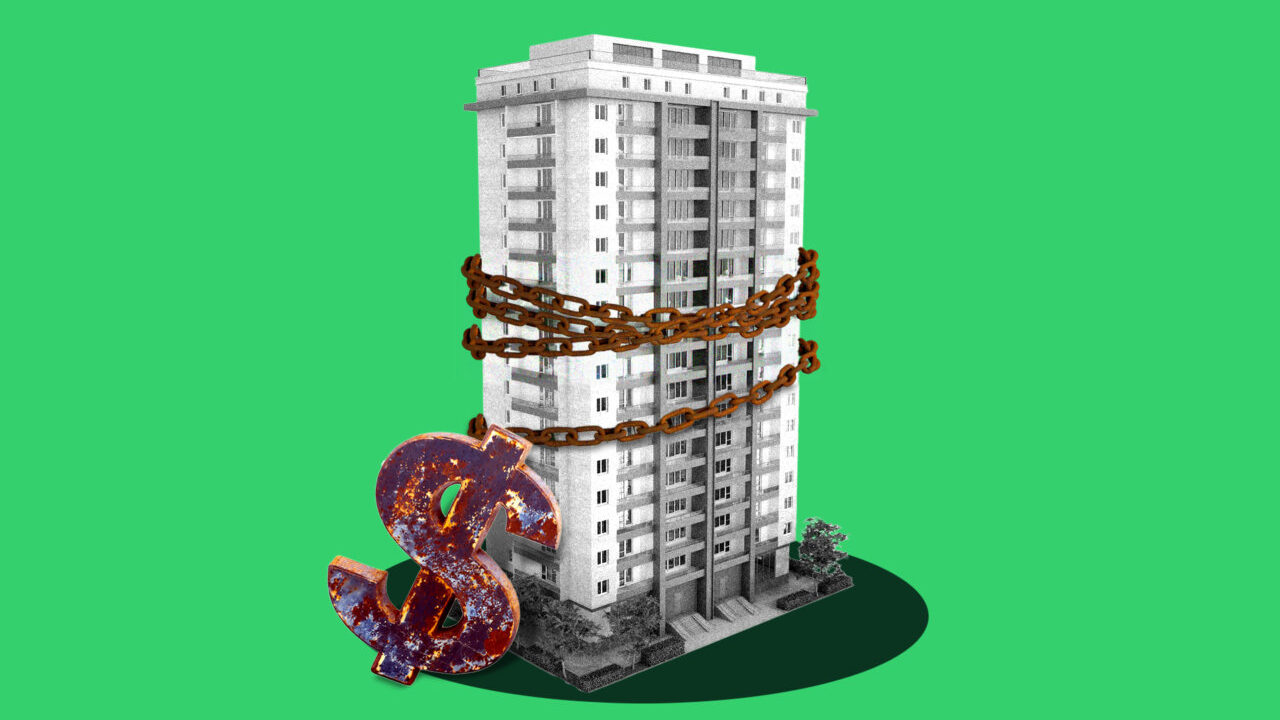
A Growing Crisis in the Condo Market
TREE NEWS reports: Selling a condominium has become nearly impossible for many owners across the United States, as prospective buyers recoil from the prospect of ever-increasing homeowners association (HOA) fees. Even with price cuts, condos are languishing on the market, leaving sellers feeling trapped. The phenomenon, highlighted in recent reports, underscores a deepening malaise in a segment of the housing market that has traditionally been a stepping stone to homeownership.
HOA fees, which cover building maintenance, insurance, and shared amenities, have surged in recent years due to rising construction costs, labor shortages, and a hardening insurance market—especially in states like Florida, where climate risks have driven premiums sky-high. For buyers, these monthly fees add hundreds of dollars to housing costs, effectively reducing affordability even if the sticker price is lower.
Why This Matters for the Broader Market
The condo slowdown is not just a niche issue; it signals broader stress in the real estate sector that could ripple through financial markets. Condos represent a significant portion of the housing stock in many urban areas, and their illiquidity can drag down prices, impact property tax revenues, and weigh on consumer sentiment. More importantly, it reflects how rising costs—from insurance to maintenance—are squeezing household budgets, potentially dampening consumer spending and economic growth.
For investors, the implications are multi-faceted:
- Real Estate Exposure: REITs focused on residential properties, particularly those with heavy condo exposure, could face headwinds. However, rental apartments might benefit as would-be condo buyers turn to renting.
- Financial Stocks: Banks with significant condo mortgage portfolios may see rising delinquencies if sellers default or if condo values plummet. Regional banks are especially vulnerable.
- Insurance Sector: Insurers are already under pressure from climate-related claims; the condo crisis could lead to further premium hikes and tighter underwriting, affecting profitability.
- Construction and Materials: Slower condo sales could reduce new construction, hurting builders and suppliers.
- Consumer Spending: Homeowners feeling “trapped” may cut back on discretionary spending, impacting retail and consumer discretionary stocks.
Macroeconomic Context
The condo conundrum is unfolding against a backdrop of elevated interest rates, persistent inflation in services, and a slowing economy. The Federal Reserve’s rate hikes have made mortgages more expensive, sidelining many buyers. Meanwhile, the surge in HOA fees is a symptom of sticky inflation in housing-related services, which the Fed watches closely. If the housing market continues to cool, it could influence the Fed’s policy decisions, potentially leading to rate cuts sooner than expected—a scenario that would boost bonds and rate-sensitive stocks.
In the crypto market, a housing downturn could reinforce the narrative of alternative investments, but it might also signal broader risk aversion, pressuring speculative assets. Commodities like lumber and copper could see reduced demand if construction slows, while the dollar might strengthen on safe-haven flows if the economic outlook worsens.
Key Takeaways for Investors
- Monitor Regional Exposure: Investors with holdings in real estate, banking, or insurance should assess their exposure to condo-heavy markets, especially in Florida and other coastal areas.
- Watch for Contagion: A prolonged condo slump could spill over into other asset classes. Keep an eye on credit markets for signs of stress.
- Consider Opportunities: Distressed condo prices might attract opportunistic buyers, but due diligence on HOA financials is critical. Rental REITs could be a safer bet.
- Stay Informed on Fed Policy: Housing weakness could accelerate rate cuts, benefiting bonds and growth stocks. Adjust portfolios accordingly.
The condo market’s freeze is a canary in the coal mine for the broader economy. As sellers feel trapped and buyers stay away, the ripple effects could extend far beyond real estate, making it essential for investors to stay vigilant.