News Summary
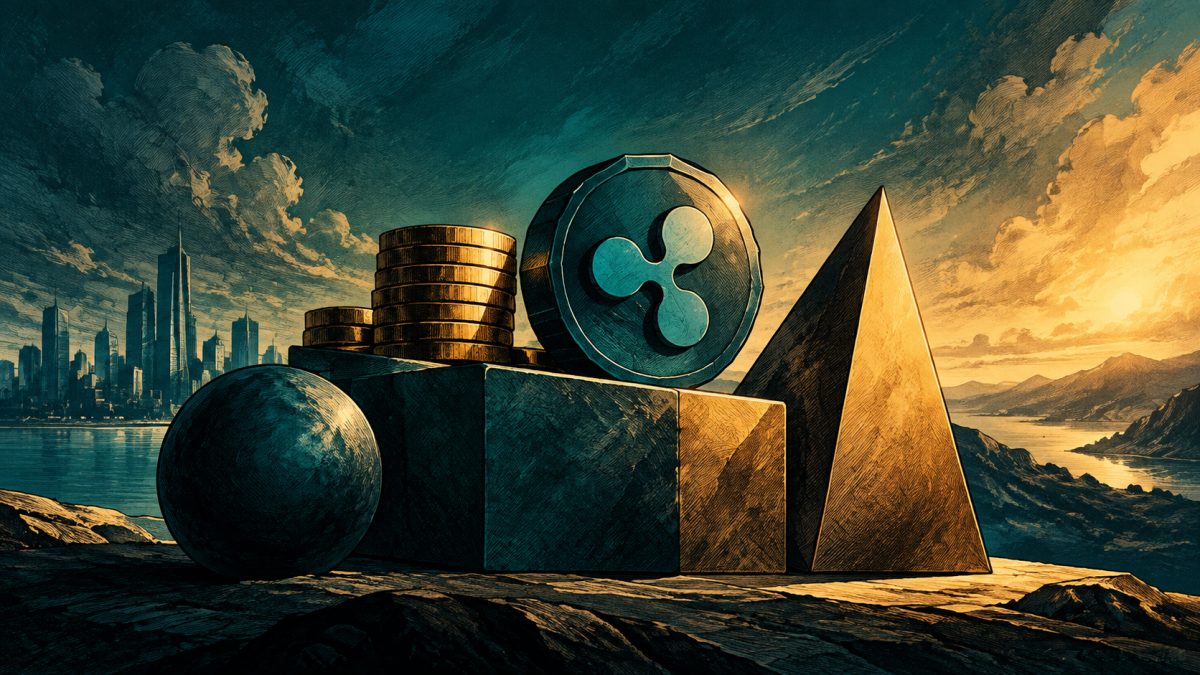
TREE NEWS reports: Kinetics Internet Portfolio, a mutual fund managing $248 million in assets, disclosed in a recent SEC Form NPORT-P that it holds a direct equity stake in Ripple Labs—not XRP tokens. This filing, first reported by BeInCrypto, highlights a growing but nuanced trend: institutional money is increasingly interested in blockchain companies, yet remains cautious about direct crypto exposure.
Industry Analysis
The distinction between investing in Ripple (the company) and buying XRP (the token) is critical. The fund’s move reflects a broader institutional preference for equity in regulated, revenue-generating businesses over volatile digital assets. Ripple’s core business—cross-border payment solutions using blockchain—offers a more traditional investment thesis, with clear revenue streams and a visible corporate structure.
This development also comes amid Ripple’s ongoing legal battles with the SEC. While the company has scored partial victories, the regulatory cloud over XRP remains. By choosing equity, the mutual fund sidesteps the legal ambiguity surrounding XRP’s status as a security, while still gaining exposure to Ripple’s technology and market position.
For XRP holders, the news is double-edged. On one hand, institutional validation of Ripple could indirectly benefit the ecosystem, potentially driving more enterprise adoption of its payment network. On the other hand, the fund’s choice underscores a persistent disconnect: Wall Street may be betting on Ripple’s business, but it is not yet ready to embrace XRP as a tradable asset. This could signal that XRP’s price will remain less correlated with Ripple’s corporate success than many retail investors hope.
Forward-Looking Perspective
As more traditional funds explore blockchain exposure, expect a bifurcation: equity investments in crypto companies (like Ripple, Coinbase, or miners) will likely outpace direct token purchases. This trend could pressure XRP and other tokens to demonstrate clearer utility and regulatory clarity to attract similar institutional flows.
For Ripple, this investment is a vote of confidence in its business model, but it also raises questions about tokenomics. If institutions prefer equity, Ripple may need to rethink how XRP fits into its long-term strategy—perhaps by enhancing its utility or securing a favorable regulatory framework. The coming months, with potential SEC rulings and new product launches, will be pivotal in determining whether this mutual fund’s move is an outlier or a harbinger of a new investment paradigm.