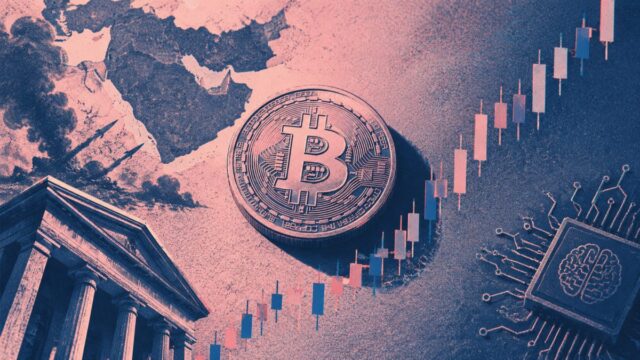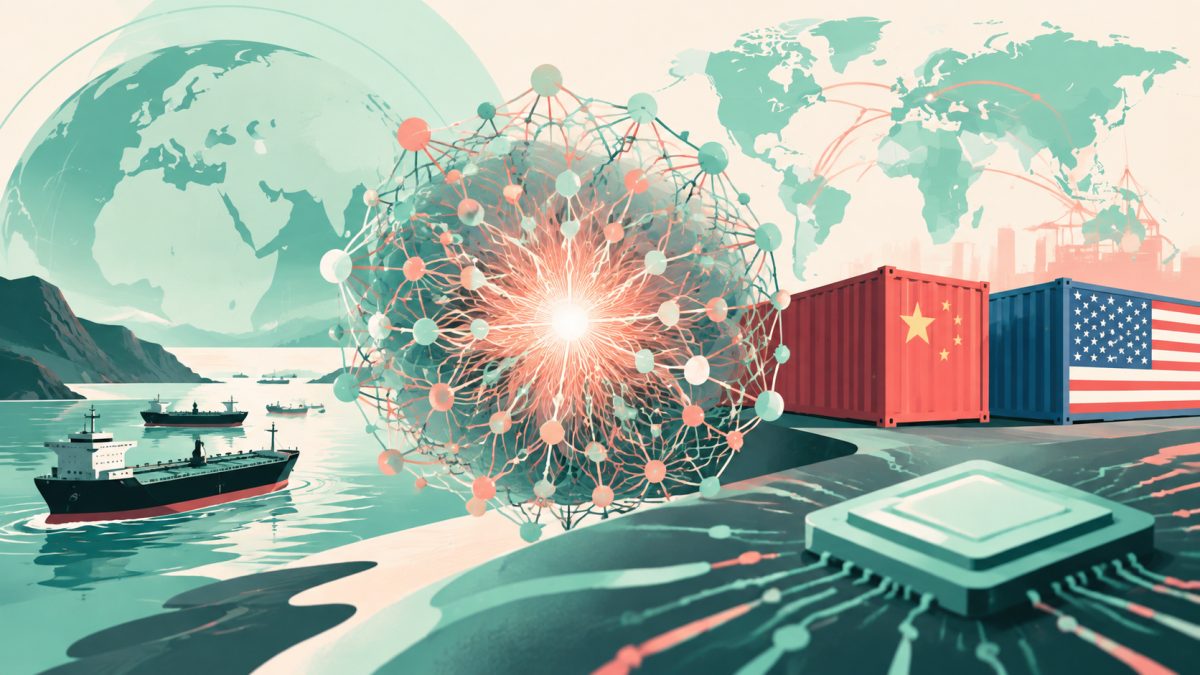
Hormuz Tensions, US-China Trade Talks, and AI’s Cash Burn: Global Risk Repricing
TREE NEWS reports: Chinese Vice Premier He Lifeng is leading a delegation to the United States from September 19 to 23 for economic and trade consultations, while the Commerce Ministry responded to US tariffs on third-country importers of Russian oil and gas. Simultaneously, Middle East tensions escalated after airstrikes hit Riyadh, setting fuel storage tanks at Saudi Aramco ablaze. US Central Command said it has helped move more than 1 billion barrels of crude through the Strait of Hormuz over the past two months and cleared mines from key shipping lanes, adding that Washington is ready to negotiate with Iran.
In technology, OpenAI is projected to burn nearly $280 billion in cash over the next five years while revenue grows tenfold. Anthropic, OpenAI and other AI leaders face collusion allegations over calls to coordinate a slowdown in AI development. SpaceX’s weight in the Nasdaq 100 will rise to 2.82%.
Why This Matters for Digital Assets
These seemingly separate threads converge on one variable: liquidity. A credible US-China trade dialogue reduces the probability of fresh tariff escalation, historically a drag on risk appetite. Any easing would be read as supportive for crypto beta, which has traded in lockstep with Nasdaq futures for most of 2025.
Hormuz is the harder variable. Even with US escorts and mines cleared, the risk premium embedded in Brent crude remains elevated. Persistent energy inflation complicates the Federal Reserve’s path, keeping real yields higher for longer — a headwind for non-yielding assets including bitcoin and gold proxies.
- Oil risk premium: Any supply disruption could spike CPI expectations and delay rate cuts.
- Trade détente: A constructive outcome from the He Lifeng talks would likely lift global risk assets.
- AI capex: OpenAI’s projected burn signals sustained demand for compute, power and tokenized infrastructure.
Crypto and RWA Implications
The AI capex story is directly relevant to decentralized compute and GPU networks, which have positioned themselves as cheaper alternatives to hyperscaler cloud. If OpenAI and Anthropic genuinely spend hundreds of billions, on-chain compute marketplaces and tokenized data centers could capture marginal demand — though the collusion allegations introduce regulatory uncertainty for the sector.
For real-world asset tokenization, higher-for-longer rates keep tokenized Treasury products attractive, while energy volatility makes tokenized commodities and trade finance more compelling as hedging instruments.
Forward Outlook
Watch three signals: the tone of the US-China communiqué, Brent’s response to any further Riyadh escalation, and whether AI regulatory scrutiny expands beyond antitrust into securities law. A combination of trade détente plus contained oil would be the most bullish setup for crypto into Q4. Conversely, a Hormuz closure scenario would force a broad de-risking across equities and digital assets alike.