Two Crypto Giants, Two Very Different Routes to WeChat Pay
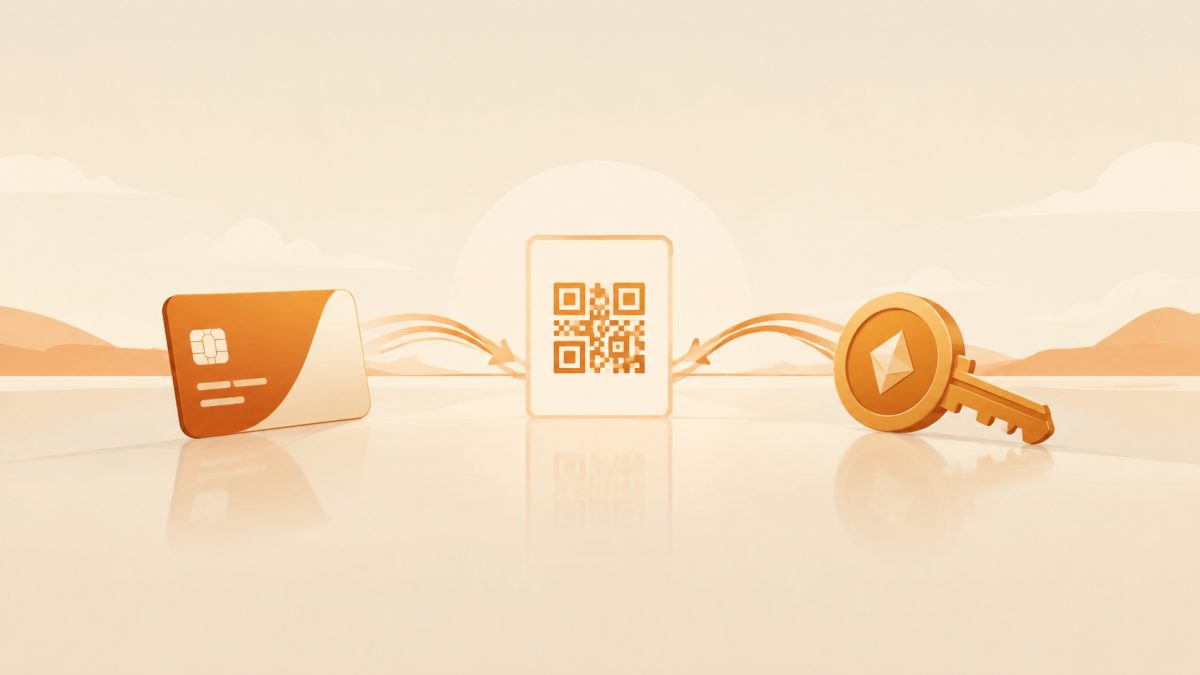
PayPal and Bybit are both moving to let overseas users pay at WeChat Pay QR codes inside mainland China — but through fundamentally different rails. PayPal’s integration allows foreign users to scan domestic WeChat merchant codes for everyday spending without touching PYUSD, its dollar-backed stablecoin. Bybit Pay, meanwhile, is testing QR-code payments funded directly with crypto assets, restricted to eligible overseas users and still subject to regulatory and geographic limits.
The Same Endpoint, Two Different Engines
The contrast is the story. PayPal is effectively plugging its existing cross-border settlement and FX infrastructure into WeChat’s enormous merchant network, keeping crypto — including its own PYUSD — entirely out of the transaction flow. That is a deliberate compliance posture: it treats the integration as a payments and remittance product, not a digital-asset product.
Bybit is taking the opposite approach, positioning crypto itself as the funding source at the point of sale. That is far more ambitious and far more fragile, because it depends on the user’s crypto being converted, cleared, and settled in a way that satisfies local rules — rules that mainland China applies strictly to anything touching digital assets.
Why WeChat Pay Is the Prize
WeChat Pay is not just a payment app; it is the default commercial interface for hundreds of millions of Chinese consumers. For inbound travelers, expatriates, and overseas merchants, the ability to scan a WeChat QR code without opening a mainland bank account removes one of the biggest friction points in the China experience. Both companies are chasing that demand.
- PayPal’s angle: lower regulatory risk, no stablecoin exposure, revenue from FX and transaction fees.
- Bybit’s angle: a genuine crypto-payments use case, but with tighter eligibility and jurisdictional constraints.
- The common constraint: both remain limited to qualifying overseas users, not domestic Chinese residents.
What This Signals for Crypto Payments
The divergence mirrors a broader industry split. TradFi-adjacent players increasingly treat stablecoins and crypto as back-end plumbing, invisible to the end user. Crypto-native platforms want the asset itself to be the payment instrument. The first model scales faster because it fits existing compliance frameworks; the second is more disruptive but harder to legalize across borders.
Notably, PayPal’s decision to bypass PYUSD in this integration is telling. Even a company with its own stablecoin chooses conventional settlement when entering a highly regulated market. That is a reality check for the thesis that stablecoins will quietly become the default cross-border payment layer.
Forward Look
Watch three things: whether PayPal expands the WeChat integration to more corridors and currencies; whether Bybit’s crypto QR pilot survives scrutiny and scales beyond a narrow user base; and whether other exchanges follow Bybit into direct crypto-to-QR payments. If they do, the compliance bar — not the technology — will decide who wins. For now, PayPal is betting that the safest path to WeChat Pay runs around crypto, while Bybit is betting it can run straight through it.