SEC Staff Clarifies — But Does Not Legalize — Token Buybacks
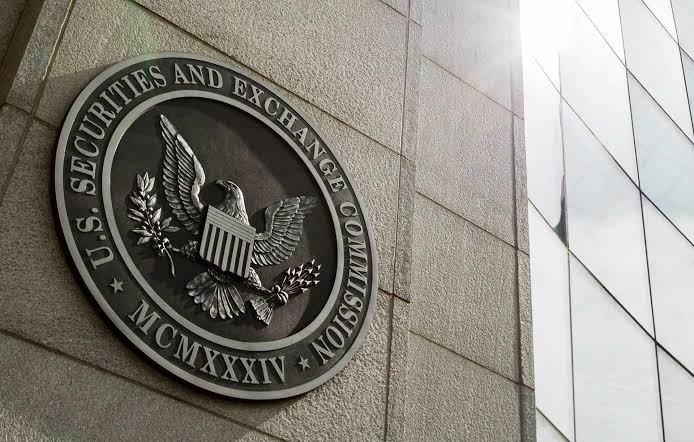
TREE NEWS reports: The SEC’s Division of Corporation Finance published a FAQ on September 25, 2026, addressing whether token buyback announcements and post-launch network development automatically create an investment contract under the Howey framework. The short answer: they do not — but only under narrow conditions that many headlines missed.
The FAQ explicitly states it is not a rule, regulation, or Commission statement, carries no independent legal force, and changes no existing law. It applies only to non-security crypto assets on systems that are already functional.
Three Conditions That Carry the Weight
- Non-security crypto asset: The token itself must already fall outside the definition of a security.
- Functional system: The network must be operational, as defined under the March 2026 Commission interpretation.
- Buyback announcement itself: Only the announcement is addressed — not the execution, funding, or marketing around it.
If a system is not yet functional and the issuer promotes buybacks as a source of holder returns, the FAQ warns that the announcement may constitute a promise of essential managerial efforts — reviving Howey exposure.
Asset and Investment Contract Can Be Analyzed Separately
The March 23, 2026 Commission interpretation, effective alongside CFTC guidance, established that an asset can be bound by an investment contract in one issuance arrangement and later separate from it. The key question is no longer whether a token is abstractly a security, but who sold what to whom, and whether buyers still reasonably expect profits from the issuer’s essential efforts.
Completion of promised efforts — not mainnet launch alone — determines separation. Acceptance criteria depend on how the issuer described its goals at the time of marketing, not on post-hoc industry conventions.
Network Upgrades: Limited Clarification, Not Blanket Exemption
FAQ Q2.3 states that providing, sponsoring, or funding development to secure, maintain, improve, or enhance an already-functional system — or to promote network effects — generally does not constitute essential managerial efforts. But the footnote ties functionality to the March interpretation’s Part III definition, so Git commits alone cannot distinguish maintenance from undelivered promises.
Buyback Design Is a Disclosure Consistency Problem
The FAQ lists treasury management, supply reduction, protocol-funded burns, and rebalancing as possible buyback rationales. Language matters: “treasury rebalancing” and “returning company growth to holders” signal different economic narratives. The proposed Regulation Crypto Assets (August 18, 2026) remains a proposal, and anti-fraud and anti-manipulation provisions still apply.
Forward-Looking Perspective
Projects should maintain two work sheets: a commitment sheet tracking what was promised, to whom, with what completion criteria; and a rights-equivalence sheet comparing traditional and tokenized forms of stablecoins, tokenized Treasuries, and fund shares. Later separation does not erase earlier unregistered offering liability or material misstatements. The regulatory direction is clear — analysis increasingly turns on actual commitments, buyer expectations, and underlying rights, not on whether blockchain is used.