CLARITY Act Dies in the Senate, but the SEC and CFTC Deliver the Rules Anyway
TREE NEWS reports: The CLARITY Act failed a Senate procedural vote on September 15, falling 49–50 — short of even a simple majority, and far from the 60 votes needed to advance. The bill had passed the House with bipartisan support 425 days earlier.
What Killed It
The collapse had little to do with crypto market structure itself. The sticking point was a set of ethics provisions aimed at preventing senior government officials from holding crypto business interests, with Democrats pushing for tighter language targeting President Trump’s digital asset ventures. Republicans offered a revised amendment days before the vote, but it fell short. With midterms approaching, neither side had much incentive to compromise. Banks lobbied hard against a separate provision that would have let stablecoin issuers pay interest to users.
Two Days Later, Regulators Moved
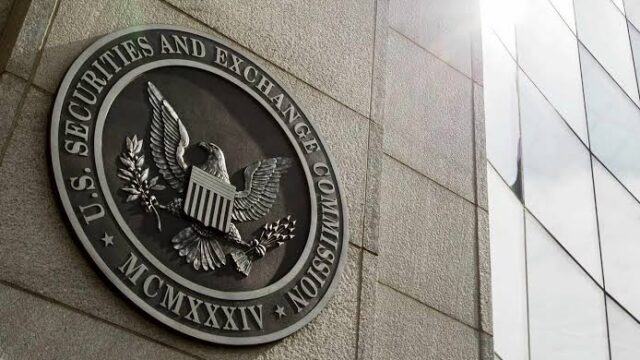
By Thursday — just two days after the bill died — both agencies had acted. The SEC introduced an “innovation exemption” allowing venues trading tokenized securities to operate for up to five years without registering as exchanges, covering tokenized versions of US-listed stocks and third-party tokenized equities. The exemption took effect immediately, effectively opening the door to 24-hour trading of tokenized equities.
It is part of a broader push under SEC Chair Paul Atkins, including “Project Crypto,” proposed rules to let crypto projects raise capital without triggering full securities obligations, a proposal to recognize blockchain records as proof of ownership, and a joint SEC–CFTC taxonomy defining which crypto assets count as securities.
On the same day, the CFTC issued Staff Letter 26-25, exempting “passive software providers” — wallets, apps and frontends that display markets and route orders for CFTC-regulated derivatives, including perpetuals and event contracts — from unregistered broker enforcement. CFTC Chair Mike Selig, currently the commission’s sole sitting member, also submitted a pre-rule proposal titled “Regulation of Crypto Asset Transactions and Crypto Asset Markets,” covering both execution and market structure — essentially CLARITY’s CFTC half, achieved through rulemaking.
The Catch: Rules Without Law
Atkins himself has argued that agency work needs legislative backing, warning that guidance can be rewritten by the next chair and rules without statutory foundation are easier to challenge in court. November 3 midterms could also flip the House, potentially shelving market-structure issues.
Outlook
Markets responded bullishly: Bitcoin reclaimed $80,000, while Zcash, UNI and VVV posted monthly gains above 100%. Stablecoin regulation looked dead twice before GENIUS became law. A 49–50 loss is a real setback, but the certainty the industry wants is being assembled piece by piece — just through a faster, less durable channel.