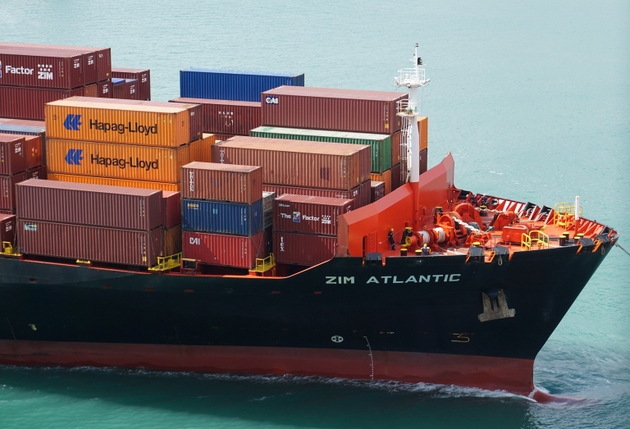
ZIM Shares Climb on Renewed M&A Interest from Hapag-Lloyd
TREE NEWS reports: Shares of ZIM Integrated Shipping Services moved higher after Hapag-Lloyd confirmed it intends to submit a revised proposal to acquire the Israeli container liner. The announcement revives a takeover saga that has been simmering for months and immediately repositions ZIM as a live merger-arbitrage candidate rather than a pure cyclical freight play.
The development matters because ZIM’s equity story has been dominated by two competing forces: a container shipping market still digesting the post-pandemic capacity glut, and a balance sheet that makes the company a natural consolidation target. A revised bid from a larger, better-capitalized peer compresses the timeline for a potential deal and gives shareholders a clearer reference price.
Why Hapag-Lloyd Wants ZIM
Hapag-Lloyd has been explicit about its ambition to consolidate the fragmented liner industry. Acquiring ZIM would expand its footprint on the Asia–US East Coast and Asia–Mediterranean trades, where ZIM holds meaningful capacity, and would add a modern, fuel-efficient fleet at a moment when the industry is being pushed toward decarbonization.
For ZIM, the strategic logic is equally clear. As an independent mid-sized carrier, it is structurally exposed to freight-rate volatility and charter-cost swings. A combination with a larger group would provide scale, procurement leverage and access to a broader network — all of which have become more valuable as new vessels ordered during the boom years enter service.
Market Implications
Equities
- ZIM shares are likely to trade with a deal-spread logic, meaning upside is capped by the expected offer price while downside is protected by the presence of a motivated buyer.
- Hapag-Lloyd may face modest pressure if investors view the revised bid as expensive, particularly given the cyclicality of the sector.
- Peer liners such as Maersk and other listed container names could see sympathetic interest, as consolidation headlines tend to lift the entire group’s valuation multiples.
Bonds and Credit
ZIM’s outstanding notes would likely rally on any deal that involves a credit-supportive acquirer. A combination with a stronger parent could improve recovery prospects and refinancing terms, tightening spreads on the company’s debt.
Commodities and Freight
Container freight rates remain the key fundamental driver. Consolidation reduces the number of independent operators, which over time could support pricing discipline on major trade lanes. That is bullish for liner profitability but potentially inflationary for shippers and, ultimately, for consumer goods prices.
Currencies
The transaction would involve cross-border flows between Israel and Germany, creating modest demand for shekel and euro hedging activity. The macro impact, however, is likely to be limited relative to the equity and credit effects.
Key Takeaways for Investors
- Treat ZIM as a merger-arbitrage position, not a growth story. The revised proposal creates a defined event path, but deal risk — regulatory review, financing, and shareholder approval — remains real.
- Watch the offer price carefully. A revised bid signals Hapag-Lloyd is willing to move, but the gap between the initial and final price will determine whether ZIM holders capture meaningful upside.
- Monitor freight rates. Even if a deal fails, ZIM’s standalone value is anchored to container rates and charter costs, which remain volatile.
- Consider second-order effects. Consolidation in liners can ripple through logistics, port operators and retailers that depend on shipping costs.
The story is a reminder that in cyclical industries, M&A often arrives precisely when standalone fundamentals look weakest — and that the market’s reaction is a blend of deal optimism and sector-wide repricing.